The Mediterranean diet is one of the most studied dietary models in the world. Years of research, including large clinical trials and population reviews, have demonstrated that this diet offers numerous health benefits.
Key Advantages of the Diet
Scientists have established that people who adhere to the principles of the Mediterranean diet have improved cardiovascular health, a lower risk of developing cancer and type 2 diabetes, and a reduced probability of premature death. The reasons for this lie in the diet's richness in fiber from plant-based foods, which helps reduce inflammation, improves arterial health, and lowers blood sugar and blood pressure.
The diet includes lean proteins, such as fish and poultry, which promote satiety and weight loss. Furthermore, it contains essential nutrients that the body cannot synthesize on its own, such as omega-3 fatty acids, which are beneficial for the heart, eyes, and brain.
Clinical Trial Results
In one of the largest nutritional clinical trials conducted in Spain, scientists included about 7,400 adults at high risk of cardiovascular disease. Participants were divided into three groups: a standard low-fat diet, a Mediterranean diet rich in olive oil, and a Mediterranean diet rich in mixed nuts. Nearly five years later, it was found that people following the Mediterranean eating pattern experienced approximately 30% fewer heart attacks and strokes.
Other studies indicate that adhering to this diet positively affects brain health, being associated with a lower likelihood of developing cognitive impairment, dementia, and Alzheimer's disease.
Dietary Principles and Flexibility
One of the most significant aspects of the Mediterranean diet is its versatility: there are countless ways to follow it. This approach is based on the traditional cuisines of countries around the Mediterranean Sea, and hundreds of ingredients align with its principles.
Catherine D. McManus, Director of the Nutrition Department and Head of the Dietetics Fellowship at Brigham and Women's Hospital, noted that it is 'less a diet and more an eating style that emphasizes minimally processed, plant-focused or entirely plant-based foods.' She added that this style is easily adaptable to various global cuisines, including American, since many world cuisines are rich in plant-based foods.
Structure of Mediterranean Eating
A pyramid illustrating the foundations of the diet was developed in collaboration with the World Health Organization, Harvard School of Public Health, and the non-profit organization Oldways, which promotes traditional diets. Key recommendations include:
- Daily: Consume legumes, fruits, vegetables, whole grains, herbs, spices, nuts, and seeds. Cooking should predominantly use extra virgin olive oil. McManus advises trying to make half of the plate at lunch and dinner consist of vegetables. It is worth experimenting with various whole grains such as bulgur, amaranth, and farro, as well as whole grain and legume pasta.
- Twice a week: Include fish and other seafood, such as salmon and shrimp. Canned or frozen salmon can be a convenient and affordable option.
- Moderately (once a day to once a week): Consume eggs, poultry, and dairy products, especially fermented ones like yogurt and kefir.
- Limited: Consume red meat and sweets. McManus recommends using meat more as a side dish rather than a main course. If craving sweets, it is better to substitute candies with fruit.
- Drinks: Primarily drink water, excluding sugary drinks, and focus on water, coffee, and tea. Wine is permissible in moderation and usually during meals.
Sample Dishes
Several recipes based on Mediterranean diet ingredients can be incorporated into the weekly menu. For example, tacos with avocado and black beans, prepared on corn tortillas (a whole grain product), are a simple way to increase fiber intake. Studies suggest that spicy food may contribute to a longer life.
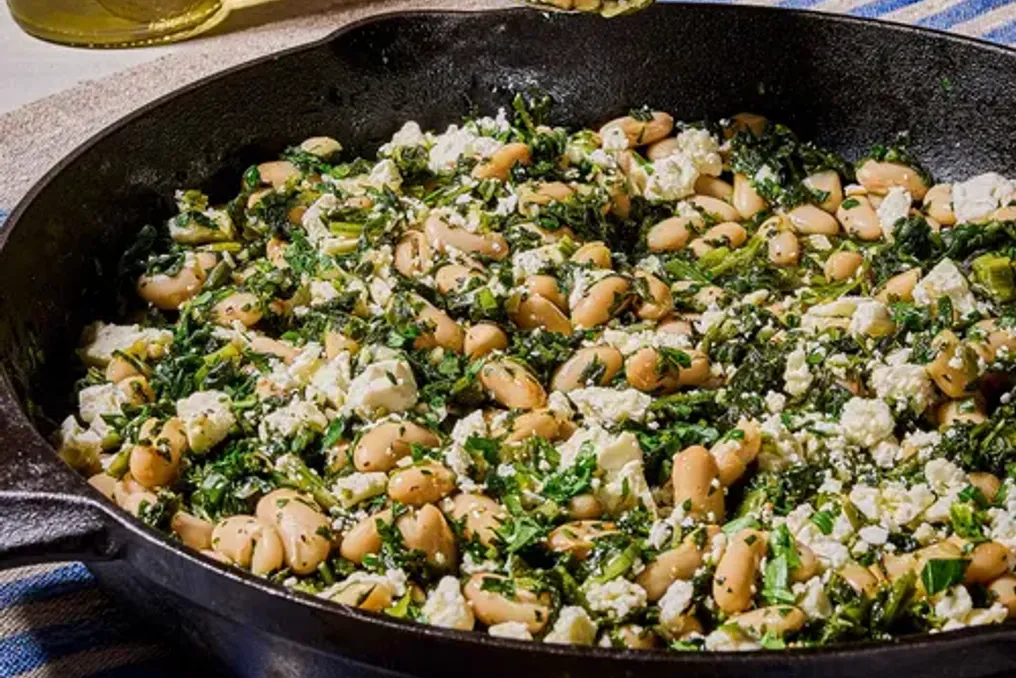
Other examples include Greek skillet chari with tomatoes, spinach, and feta, which is rich in nutrients. The dish 'Spanakopita with beans' is a quick and tasty option, rich in protein and fiber thanks to the beans. A simple lentil curry is also recommended, which cooks quickly and contains iron, while adding frozen peas, brown rice, and spices provides polyphenols that support gut health.
Finally, a salmon shawarma salad combines baked salmon, rich in omega-3 fatty acids, with fresh vegetables and a creamy Greek yogurt dressing.