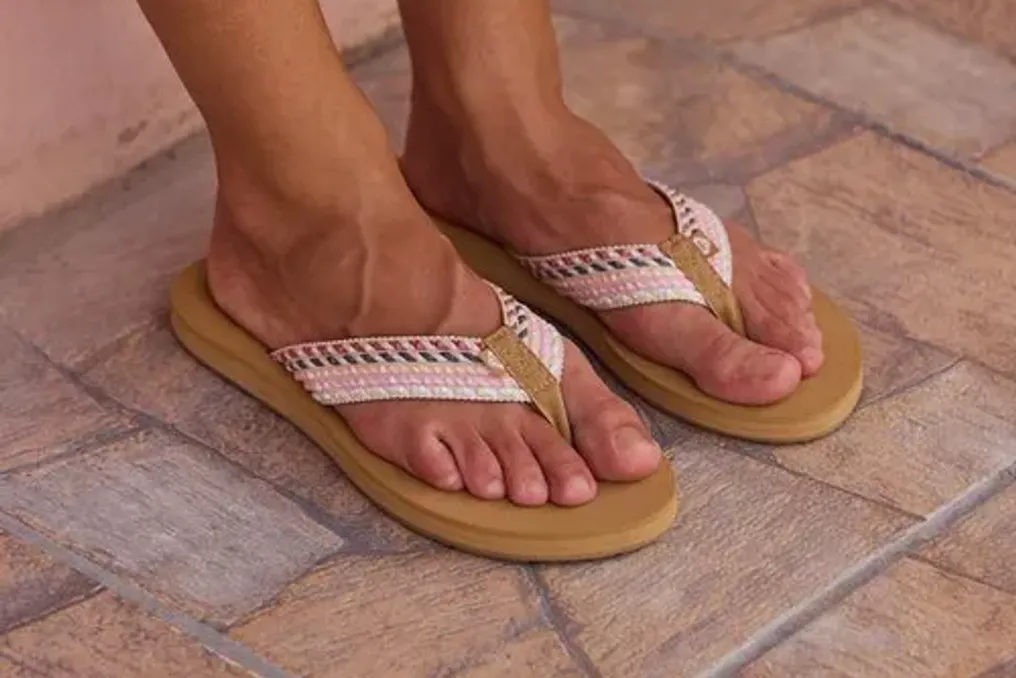
A podiatrist asserts that if a person does not have medical problems, wearing sandals by themselves should not harm the feet.
Myths about the harm of sandals
Sandals are often criticized in the media, where it is claimed that they can cause acute injuries, such as sprains, or contribute to the development of more hidden problems, such as plantar fasciitis. Some experts even state that they can lead to hammer toes and valgus deformity.
Popular
However, the specialist notes that it is premature to conclude that sandals are harmful to everyone. He emphasizes that excessive caution is justified for people prone to lower limb problems, but not for everyone.
Causes of foot pain
As a podiatrist in Minnesota, he has noticed that his clinic becomes busier in spring and summer, coinciding with the start of the sandal season. It is easy to mistakenly link foot pain to wearing sandals, but this is an incomplete picture. The winter period spent in more structured footwear, combined with a sedentary lifestyle, can lead to decreased foot fitness. When a person starts leading a more active life and switches to less supportive footwear, the feet may hurt due to the need to adapt to increased loads.
This decrease in functionality is often included in the list of potential causes of foot pain, regardless of whether the person is wearing sandals.
Risks and scientific data
Although the risk of falling is indeed higher in sandals, this risk applies to all footwear that does not secure well on the foot, including high-heeled shoes, mules, clogs, or simply unsuitable footwear. Furthermore, scientific studies show no evidence that sandals increase the risk of heel pain or changes in toe alignment in healthy people more than other types of footwear. Heel pain, hammer toes, and valgus deformity are very common among the general population, even among those who have never worn sandals. These problems are caused by multiple factors, including genetics, lifestyle, and biomechanical imbalances.
When to avoid sandals
The specialist warns that people with poor balance, osteoarthritis, rheumatoid arthritis, a history of lower limb surgery, diabetes, lower limb edema, peripheral neuropathy, peripheral vascular disease, neurodegenerative conditions, or gait disorders should avoid not only sandals but also any footwear that does not securely fasten to the foot, including the heel area. Such people are more susceptible to falls or exacerbation of existing problems when wearing unsupported footwear.
Even if a person does not have the listed health problems, it is important to remember that sandals are intended exclusively for walking on dry, flat surfaces. This is because the probability of falling and subsequent injury increases on wet surfaces if the footwear is not securely fastened to the feet.
Choosing optimal footwear
Regarding the best footwear for preventing foot problems, there is no definitive answer. Each type of footwear uniquely affects foot function and gait. Therefore, the best strategy is to have several options of comfortable footwear with different characteristics of support, cushioning, and fit, so that the feet can maintain their strength, mobility, and adaptability.
Sandals place a greater load on the muscles and joints of the feet compared to traditional footwear, which can be a positive aspect. The ability to wear footwear with minimal or no support is an important part of long-term foot health. If a person does not have the previously mentioned health problems, this ability can be developed by gradually transitioning to sandals at the beginning of the season, using them for short periods to adapt the feet. It is also useful to include targeted exercises for strengthening the feet in a fitness program.
Another often underestimated advantage of sandals (and sandals in general) is that they allow the feet to spread wider than regular boots do. This is one of the reasons why people find sandals comfortable. Indeed, a 2018 study showed that up to 72 percent of people wore improperly fitted shoes, and a link was found between improper shoe fit and foot pain.
Any footwear affects the lower limbs in ways that can be both beneficial and harmful. Advising healthy people to avoid certain types of footwear is like advising against the sun. Of course, excessive exposure to either is harmful, but some exposure is beneficial and even necessary for overall health. Having a diverse range of comfortable footwear is a good strategy for maintaining foot health, and for many people, this strategy may include sandals.