The 2026 FIFA World Cup, despite its unforgettable football events, was accompanied by a number of contradictions. These discussions covered referee decisions, political interference, and logistical problems, sparking heated debates worldwide. Below are five of the most discussed topics of the tournament.
Political Influence and Referee Decisions
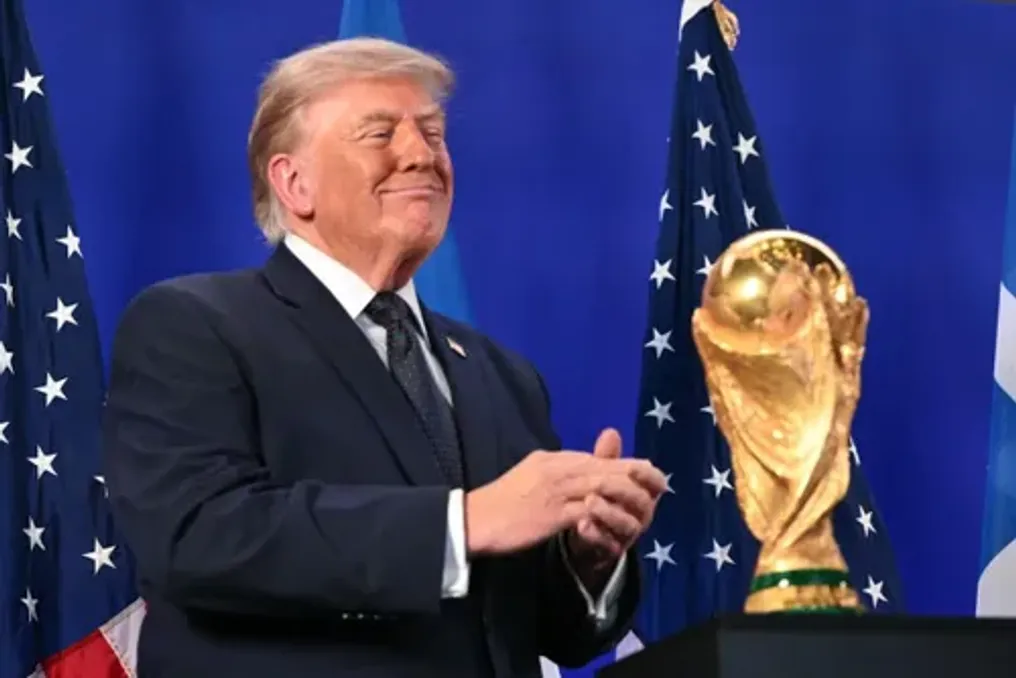
The most significant scandal was the call from US President Donald Trump demanding the reversal of a player's red card. This incident attracted enormous attention to the tournament.
Another major controversial point arose after Egypt's 3-2 loss to Argentina. After reviewing the goal with VAR, the Egyptian team's goal was disallowed, and they were subsequently denied a penalty before Argentina's decisive goal. The Egyptian coach publicly criticized the refereeing, and the country's football association filed an official complaint. Fans began using the phrase 'VARgentina,' accusing officials of bias in favor of the reigning champions.
Ticket and Logistics Problems
FIFA also faced widespread criticism regarding ticket prices. Due to dynamic pricing, match attendance reached record highs: some group stage tickets approached $1000, while final match tickets reportedly reached $11,000. Television broadcasts showed noticeably empty sections at several stadiums, which FIFA explained was because many fans were in the foyer, leading to ridicule.
Travel Restrictions and Discrimination
Additional issues outside the field arose related to travel restrictions. It was reported that visas were revoked for fans from several countries before their trip, and Somali referee Omar Aryan was barred from working. The Senegalese national team underwent thorough screening at the airport, and Iran was forced to base itself in Mexico and fly to the United States only on match days.
Disputes Over VAR and Schedule
The fifth major controversial issue concerned the strict interpretation of offside by the VAR system. Iran lost a historic chance to qualify for the playoffs due to a late goal that was disallowed by the narrowest margin. Furthermore, Iranian players expressed dissatisfaction with the difficulties associated with the travel schedule compared to other teams, which had more relaxed conditions. Iranian players were also subjected to political questioning rather than being discussed for their football.