The Gauteng Health Department rejected claims by DA provincial legislator Madlen Hicklin that patients at Charlotte Maxeke Hospital are being deprived of vital medications, calling the accusations factually incorrect.
The Gauteng Health Department rejected claims by DA provincial legislator Madlen Hicklin that patients at Charlotte Maxeke Hospital are being deprived of vital medications, calling the accusations factually incorrect.
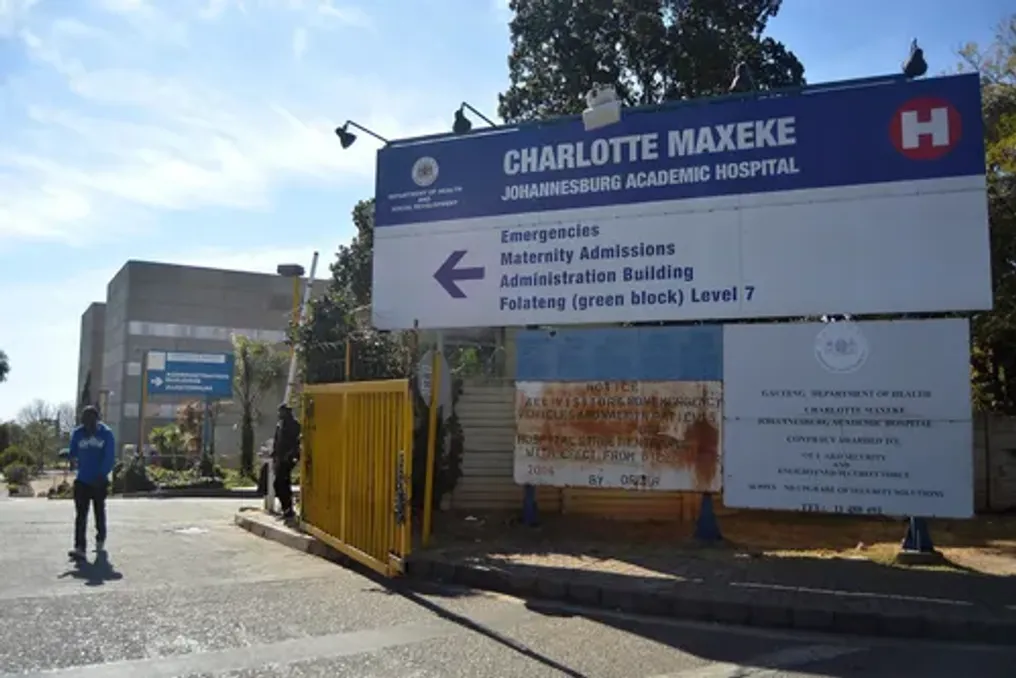
The Gauteng Health Department condemned Madlen Hicklin for her statements that patients at Charlotte Maxeke Johannesburg Academic Hospital are not receiving necessary medicines due to shortages, labeling the accusations as unfounded and misleading.
The Department stated that Hicklin's statements contained factual inaccuracies after hospital management contacted her following the publication of her statement on July 16. It was established that Hicklin claimed affected patients were in 'Ward 5,' but Charlotte Maxeke Johannesburg Academic Hospital does not have such a ward and uses a three-digit ward numbering system.
According to the department, Hicklin acknowledged this factual error during discussions with hospital management. However, it was noted that no public correction was issued, leaving information that the department called misleading in the public domain.
A representative of the Gauteng Health Department, Steve Mabona, stated: 'Unfortunately, no public correction was issued, leaving misleading information in the public domain.' He added that the department considers it irresponsible to make public accusations capable of causing panic and undermining trust in public healthcare before facts are verified.
The Department emphasized that most South Africans rely on public medical facilities as their sole source of healthcare, warning that careless remarks could deter patients from seeking necessary help. Mabona noted that while challenges exist within the public health system, they are constantly managed through established clinical and supply chain processes to ensure continuity of patient care.
He also stated that isolated operational issues should not be distorted in a way that unfairly damages public trust in medical institutions. The Department urged all public representatives, regardless of political affiliation, to exercise responsible oversight by verifying information before making public statements and correcting the public record when inaccuracies are found. Mabona concluded by stating: 'The Department remains committed to transparency, accountability, and ensuring that all Gauteng residents continue to receive quality, accessible, and compassionate healthcare.'
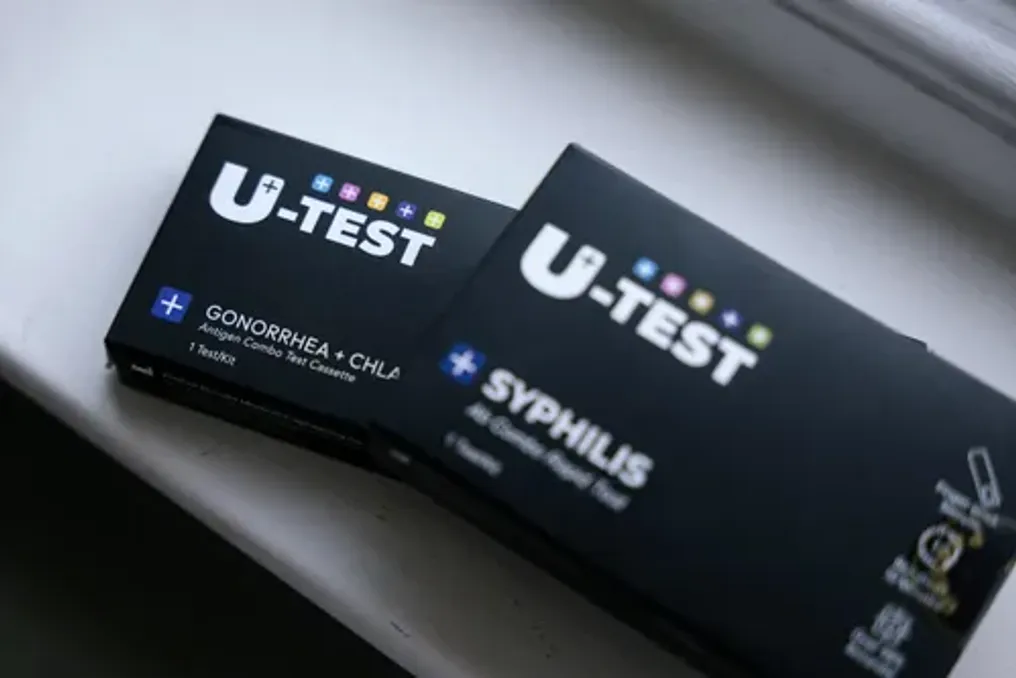
Non-specialists can purchase test kits for detecting syphilis, gonorrhea, and chlamydia from the brand U-Test on marketplaces. However, ambassadors for this British manufacturer, which sells tests for infections, as well as for gut and prostate health through social media, are not medical professionals. The company's faces are, in a simplified manner, internet celebrities, including a former Welsh rugby player, an Ibiza club owner, and an OnlyFans model. In some advertising campaigns, the well-known adult performer Bonnie Blue was featured next to a smiling man holding a U-Test kit for diagnosing gonorrhea and chlamydia.
Some of the sold tests require significant medical knowledge from the user. When Bloomberg News ordered a test for gonorrhea and chlamydia that was advertised as a 'simple at-home test without a doctor's visit,' they received a package with attractive design but instructions written in complex technical language, along with a warning that the test should only be performed by a specialist: 'for professional use in vitro only.'
Takudzwa Mukiwa, head of HIV prevention at the sexual health NGO Terrence Higgins Trust, noted that no one would be able to understand this documentation.
The home medical testing sector began to develop during the pandemic, as companies initially selling mail-in Covid-19 tests pivoted to a wider range of tools. According to Grand View Research, the global self-testing market will exceed $11 billion by 2025. Testing experts in the UK express concern that the business developed too quickly for regulators to keep up, leading companies to sell kits not intended for home use.
Davidicketts, a consultant on laboratory standards and advisor to the British Association for In Vitro Diagnostics, stated that the situation is a 'Wild West.' He added that the potential harm from these tests is very real: if used incorrectly, they can yield false-negative results, which is particularly dangerous for sexual health where the consequences can be enormous.
U-Test co-founder Jamie Griffiths admitted that the company sold tests intended only for professional use, but claimed that the products were clearly labeled as such. He rejected the notion that U-Test customers might not realize that some products are not as 'simple at-home tests' as advertised.
Many rapid Covid-19 tests stockpiled at home during the pandemic were not originally intended for the general public, but temporary repurposing was allowed by emergency use regulations, and many companies began selling them directly to consumers. Almost all these tests were manufactured in China and then relabeled by companies in other markets acting as showrooms.
After the pandemic ended, some wholesalers and retailers took advantage of the public's familiarity with home testing and expanded their product offerings.
According to records at Companies House, the UK's register of companies, U-Test Diagnostics Ltd was founded in 2024 in Cowbridge, Wales. Its two founders, Griffiths and his brother Harry, previously ran another company, Bestie UK Ltd, which dealt in personal protective equipment and Covid-19 tests. This company began liquidation proceedings in May 2025 and owes HM Revenue and Customs over £800,000 ($1.1 million), according to official documents. Griffiths emphasized that Bestie was a 'separate legal entity' and 'unrelated to the current activities of U-Test Diagnostics.'
The boom in self-testing in the UK is partly due to the difficulties many people face when accessing traditional medical care. Although the UK provides free point-of-care treatment through the National Health Service, the system has been overloaded for years, and patients often struggle to get timely appointments with a doctor. In March 2026, 5% of GP appointments occurred more than 28 days after the initial contact, and 30% had a delay of more than a week.
Social media is also a significant factor. On Instagram, TikTok, and Facebook, influencers and celebrities promote the benefits of simple tests for monitoring fertility, cancer risk, food sensitivities, and vitamin levels. According to a YouGov study, about 40% of Generation Z in the UK receive health and wellness information through social media. Furthermore, a recent Pew Research study showed that about a third of Americans get health information from social media.
U-Test actively uses celebrity culture to promote its tests, attracting Gavin Henson, who played rugby for Wales in the 2000s and 2010s and was long a figure in British tabloids, as well as Wayne Linker, a nightclub owner and brother of a former England international footballer.
Brooke Nickel, a senior researcher at the University of Sydney, noted that there is an obvious financial incentive for influencers to promote self-testing products, as it allows them to monetize an audience interested in health and wellness content. These commercial factors are 'not obvious' in how tests and other products are sold on social media.
Nickel and her colleagues studied online tests for testosterone, gut microbiome, and early detection of multiple types of cancer, finding little evidence of their medical benefit. Moreover, potential risks were rarely mentioned in product advertising. Often, according to Nickel, these tests serve as a way to increase sales of additional tests or procedures from the same companies. 'It was a kind of entry into further private spending for that person or a way for the company to earn more money,' she stated.
Experts are concerned about the proliferation of companies and influencers selling tests, as many of them require a certain level of technical competence. In a survey of members of the British Association for Sexual Health and HIV, 95% of participating healthcare workers reported that at least one patient who came to their clinic paid for their own tests, and 87% of these tests were inappropriate.
David Hayes, a senior lecturer in chemical pathology at Westminster University, warned that in the hands of a non-specialist, such as the general public conducting these tests, there is a risk of receiving a false-positive or false-negative result if the instructions are not followed absolutely precisely.
Unlike a simple finger prick test, which can be inaccurate if one does not wait for a small amount of fluid to come out of the skin before taking a sample, one instruction for a home-use approved syphilis test contains clear images explaining how to perform the antibody test and indicates that the first drop of blood released from the fingertip should be wiped away.
In contrast, the instruction for the U-Test syphilis test states: 'Syphilis Ab Combo Rapid Test — is a rapid chromatographic immunoassay for the qualitative detection of antibodies (IgG and IgM) to Treponema Pallidum (TP) in whole blood, serum, or plasma to aid in the diagnosis of syphilis.' While U-Test gut health tests promoted by Henson are authorized for self-testing, their STI tests are not. The same applied to tests ordered from Rapidtest in London, offering a 'home testing kit,' and two suppliers on Amazon based in China. Similarly, the HPV test from Accufast in Hong Kong on Amazon, advertised for home testing and featuring a cartoon uterus on the front, was also 'intended for use by healthcare professionals.'
A quick search on Amazon Inc. for 'rapid STI tests' reveals numerous tests sold directly to consumers that do not have home-use licenses. Under UK and European Union regulations, tests for diseases such as HIV and cancer must undergo an authorization process before being sold. The competent authority checks the test for compliance with safety and efficacy requirements. If compliant, it is assigned the CE or UKCA marking for products intended only for the UK.
In a statement by James Pound, interim executive director of innovation and regulatory compliance at the Medicines and Healthcare Products Regulatory Agency, it is stated that all self-testing devices used by the public at home must comply with regulations and be registered with the regulator. He emphasized: 'Devices that do not comply with regulations cannot guarantee compliance with quality and safety standards and may lead to inaccurate results.'
Recently, the U-Test website was changed to remove mentions of 'home' testing. Nevertheless, the company continues to sell tests without warning customers at the time of purchase that the kits are exclusively for medical specialists.
Rapidtest initially denied that some of its tests were intended only for professional use, providing a letter from the manufacturer stating that both its HIV test and the chlamydia and gonorrhea device were intended for self-testing. When asked why the brochures stated 'for professional use in vitro only,' it replied that the literature 'is being corrected and will be updated accordingly.' The company did not provide external proof confirming the suitability of the devices for self-testing.
Accufast did not respond to emails and messages via the contact details listed on its website.
Mukiwa from Terrence Higgins Trust stated that in certain circumstances, broader access to self-testing should be encouraged. The ability to obtain confidential and affordable tests allows people to make more informed decisions about their health, but only with responsible management of this sector. He added: 'The idea of self-testing is not just about the physical components of the test, but about the instructions, so that they are very clear.' Using products not approved for home use 'can lead to someone not completing the test properly and thus creating unnecessary anxiety.'
Officials from Iran and India have reached an agreement to strengthen interaction between the two countries in the field of traditional, complementary, and integrative medicine.
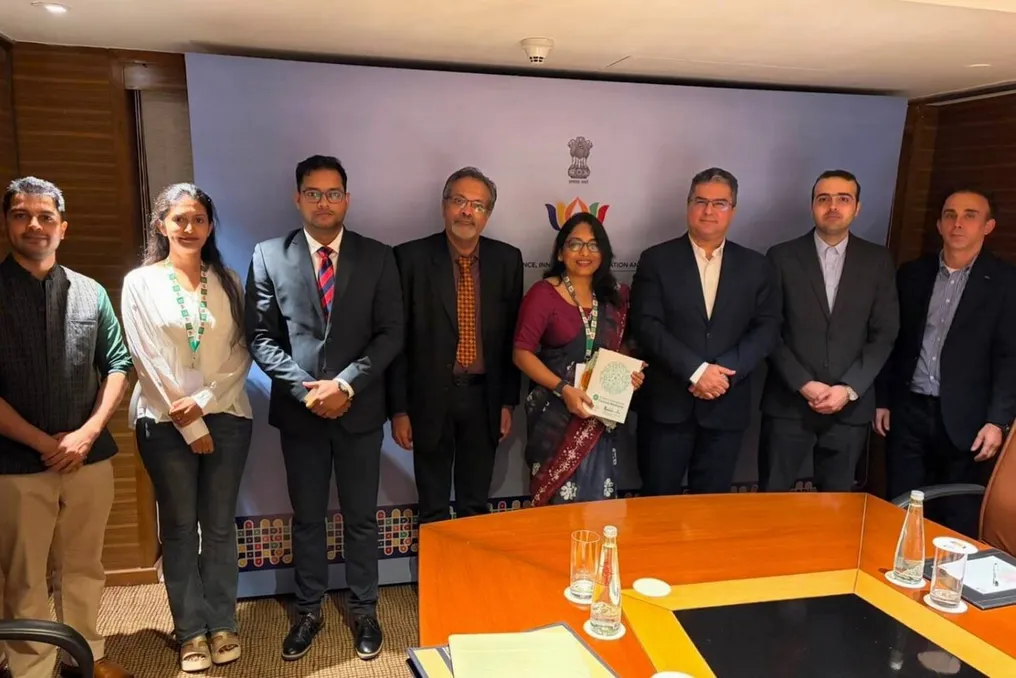
On Tuesday, a meeting took place between Arman Zargaran, advisor to the office of traditional medicine at the Iranian Ministry of Health, and Manalisa Dash, director general of the International Relations Office of India's AYUSH Ministry. This meeting was held on the sidelines of the 16th BRICS Ministerial Meeting on Health, which took place in Chandigarh, India, from July 21 to 25.
The parties also discussed opportunities to expand bilateral cooperation, as well as cooperation within BRICS. Discussions covered joint research and educational projects, exchange of students and professors, and joint research grants. The need to develop a roadmap for implementing the agreements reached in the field of traditional medicine, in accordance with existing memorandums of understanding, was emphasized.
The Iranian delegation, led by Minister of Health Mohammad-Reza Zaferkandi, is participating in the 16th Meeting. The event brings together BRICS countries to deepen cooperation, exchange best practices, and shape the future of sustainable, innovative, and reliable healthcare. According to Ali Jafarian, a ministry official, this provides an excellent opportunity to strengthen ties with BRICS member states and explore the potential for expanding cooperation, especially in the areas of pharmaceutical raw materials, medical technologies, and equipment.
The Iranian delegation represents various sectors of healthcare, including Persian medicine, mental health, infectious diseases, and international affairs. The Minister of Health has scheduled meetings with his counterparts from member countries such as India, Russia, and China. Given the illegal sanctions imposed on the country, Iran intends to utilize the potential of BRICS member states to facilitate access to vital healthcare supplies.
Chandigarh is hosting the BRICS Ministerial Meeting on Health and the meeting on Traditional, Complementary, and Integrative Medicine (TCIM), as reported by the Times of India. The five-day program, running from July 21 to 25, is themed 'Building Resilience, Innovation, Cooperation, and Sustainability.' One of the key events will be the high-level conference 'Health Without Borders,' which includes 26 technical sessions involving ministers, policymakers, public health experts, and researchers from participating countries.
Traditional, complementary, and integrative medicine will be a central theme of discussions in Chandigarh. The AYUSH Ministry will lead discussions on integrating traditional medicine into the mainstream healthcare system and strengthening international cooperation through evidence-based practices. Participating countries are expected to finalize Terms of Reference for the BRICS expert working group on TCIM, paving the way for collaboration in research, clinical validation, digital knowledge exchange, harmonization of regulations, and protection of traditional medical knowledge.
The Ministerial Meeting will also review progress on nine priority areas within the BRICS health agenda, including preventive medicine, mental health, pandemic preparedness, tuberculosis research, digital health architecture, regulatory convergence for medicines, and strategies to combat diseases related to socio-economic determinants of health. The 16th BRICS Ministerial Meeting on Health aims to strengthen cooperation among BRICS countries in areas such as health security, pandemic preparedness, digital health, innovation, access to affordable medicines, and sustainable health systems. It will also serve as an important platform for advancing Global South health priorities and promoting collective action towards universal health coverage and health-related Sustainable Development Goals.
In May, Zaferkandi explored ways to expand cooperation with his counterparts from BRICS member countries in various health fields. He held a series of meetings on the sidelines of the 79th World Health Assembly (WHA), which took place from May 18 to June 23 in Geneva, Switzerland. During a meeting with India's Minister of Health and Family Welfare, Jagat Prakash Nadda, Zaferkandi emphasized India's role in the pharmaceutical industry and highlighted the need to improve health sector ties.
For his part, Prakash Nadda spoke about India's capabilities in the health sector and announced the country's readiness to support and develop cooperation with Iran. The parties agreed to establish a joint committee to monitor the development of academic, medical, and pharmaceutical ties. Furthermore, Zaferkandi met with his counterparts from Russia, Brazil, China, South Africa, Egypt, and Ethiopia, discussing the impact of the US-Israel war on the country's civil and medical infrastructure, as well as ways to enhance cooperation among BRICS member countries in healthcare.
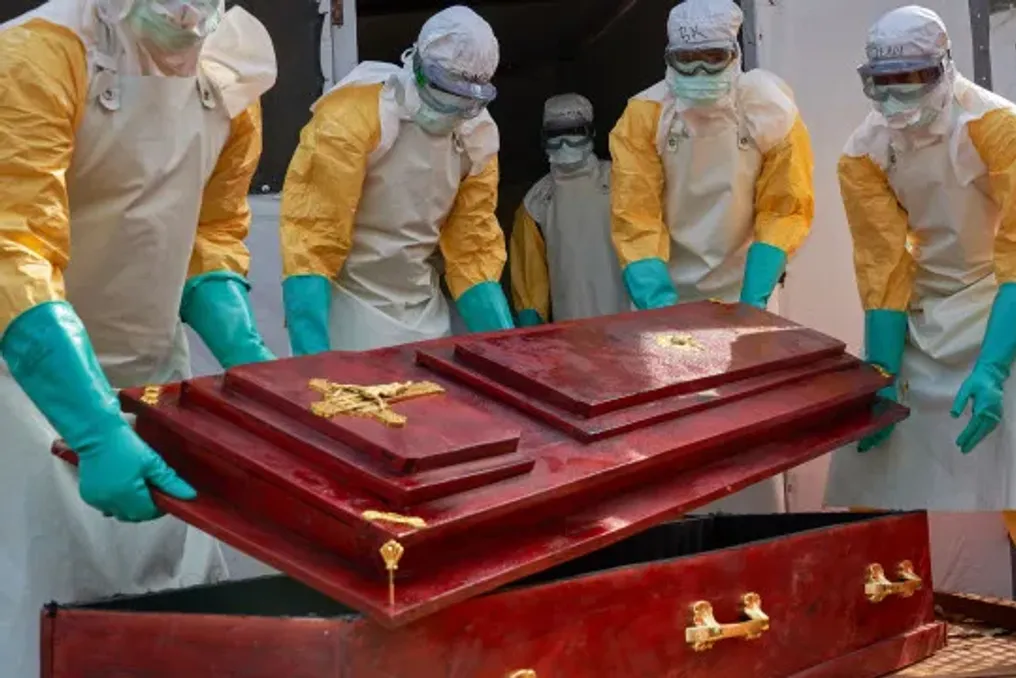
The Ebola epidemic in the Democratic Republic of Congo has reached an alarming number, registering 2,473 cases and causing the death of 999 people as of Sunday, according to the latest available update.
This outbreak, which was declared on May 15 and evolved into an epidemic, differs from previous events because the causative virus, Bundibugyo, has no approved vaccines or treatments.
The epidemic is killing individuals at a faster rate than any other documented outbreak, surpassing even the 2013-2016 outbreak, which was considered the worst in history, with over 11,000 deaths in at least 28,000 cases over eight months.
Ebola is known to be rare but extremely contagious, capable of being transmitted through bodily fluids such as blood, vomit, or semen. The associated disease is severe and often fatal. Authorities issued an alert indicating that 80% of new cases emerged through unknown transmission chains, suggesting that the epidemic's spread is occurring faster than health teams can keep up.
Despite the increased response in the Ituri province, which is the epicenter of the epidemic, and in four other provinces where cases have been reported, the situation is worsened by attacks on health units and response teams. Such incidents have forced frontline professionals and humanitarian aid groups to withdraw from certain regions. Additionally, some health professionals have initiated strikes, claiming they have not received their salaries since the beginning of the epidemic.