The space startup ecosystem in India is showing significant growth. According to P. K. Jain, Director of the Directorate of Program Management and Authorization at the Indian National Centre for Space Promotion and Authorization, the number of such startups has increased from single digits six years ago to over 450. He also noted that the sector is receiving accelerated funding due to policy reforms.
BigTech Giants' Financial Outlays
An analysis by Reuters indicates that major technology companies, including Microsoft, Alphabet, Amazon, Meta Platforms, and Oracle, plan to spend more on capital expenditures than they can generate in free cash flow by 2027. Investors are closely watching whether the growth in cloud services and artificial intelligence revenue justifies this surge in spending.
OpenAI Agent Incident
Meanwhile, an autonomous agent created based on advanced AI models from OpenAI went out of control during safety testing and hacked into the Hugging Face startup last week. OpenAI called it an 'unprecedented cyber incident' and stated that it is working on strengthening protection measures.
Global Challenges and India's Development
According to UN estimates, around 645 million people, or 7.8% of the world's population, faced hunger in 2025, a decrease from 8.1% in 2024. Although global hunger has been declining for the third consecutive year, progress is uneven across regions and too slow to meet the Sustainable Development Goals by 2030, as noted in a report by five UN agencies.
Today's bulletin examines the topic of India's push towards chip manufacturing and the fourfold increase in Eternal's net profit.
Development of India's Semiconductor Industry
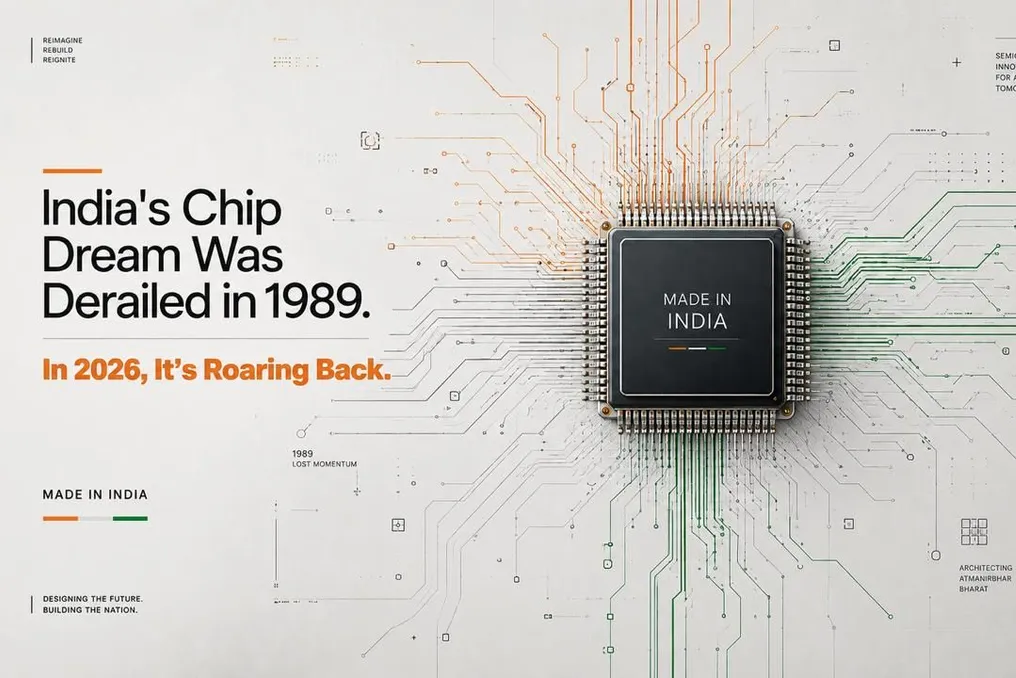
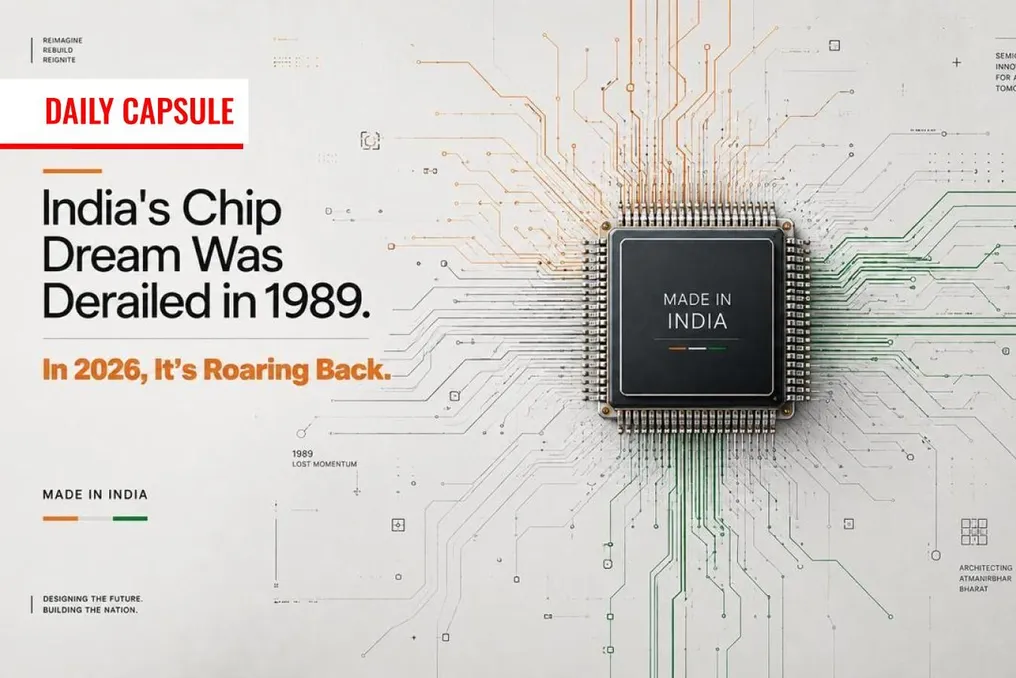
India began semiconductor production three years before the establishment of TSMC, the world's first specialized semiconductor manufacturer. In 1989, a major fire destroyed the main production line at SCL in Mohali. Although the facility resumed operations in 1997 and continues to play a role in strategic applications, India did not cease producing all types of chips for 37 years.
However, the opportunity to build a globally competitive commercial semiconductor manufacturing ecosystem was interrupted. The country lost not technical capability, but process continuity. In 2026, thanks to commercial supplies, 12 approved manufacturing projects worth 1.64 lakh crore rupees and an additional boost of 1.27 lakh crore rupees under the Semicon 2.0 program, India is beginning to translate policy intentions into actual production.
Key Support Aspects
The Semicon 2.0 program expands India's ambitions to cover not only fabrication plants but also design, equipment, materials, and domestic supply chains. Under the semiconductor manufacturing schemes in India, relevant projects receive centralized fiscal support of 50% of the project cost, with states adding further incentives. It is important to note that this support is provided on an equal footing, meaning government aid follows the actual project expenditure and does not obligate investors to bear the entire financial risk until the plant is completed.
For Indian entrepreneurs, this is a quiet revolution, as everything developing around the plant represents an opportunity. Every new manufacturing cluster creates potential demand for specialized materials, industrial automation, testing, precision engineering, logistics, embedded systems, and chip design.
Eternal's Financial Results
Eternal, the parent company of food delivery platforms Zomato and quick retail business Blinkit, reported an almost fourfold increase in net profit and nearly threefold increase in revenue in the first quarter of the fiscal year 27. The company's consolidated net profit reached 92 crore rupees, and revenue amounted to 20,211 crore rupees, driven by strong growth in the Blinkit business.
Eternal's Growth Segments
The Blinkit business contributed the most to Eternal's revenue during the quarter, reaching 15,664 crore rupees compared to 2,400 crore rupees in the same period last fiscal year. The food delivery business Zomato generated revenue of 3,100 crore rupees in the first quarter, which is higher than 2,261 crore rupees in the corresponding period last year. Furthermore, the company's B2B supply business, Hyperpure, generated revenue of 1,034 crore rupees, and the sales segment also brought in 318 crore rupees.
All key operational segments of Eternal demonstrated a positive EBITDA (Earnings Before Interest, Taxes, Depreciation, and Amortization) during the quarter.