The recovery of the housing stock in South Africa will face difficulties if the country's largest economic center continues to approve very few new residential construction projects.
The recovery of the housing stock in South Africa will face difficulties if the country's largest economic center continues to approve very few new residential construction projects.
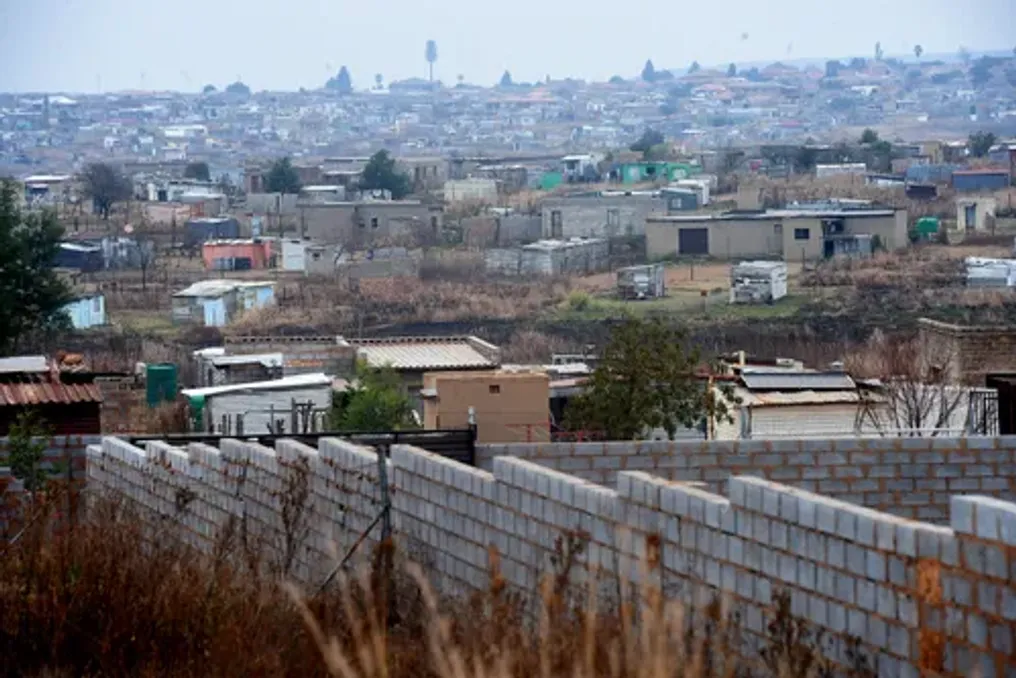
Johannesburg is an economic powerhouse of South Africa and a magnet for people seeking opportunities. According to independent economist Sandra Gordon, the city contributes about 15% to the national GDP and is home to approximately 10% of the country's population.
However, over the past five years, Johannesburg has accounted for only 3.8% of all approved housing development plans nationwide. This figure is only slightly higher than that of the Nelson Mandela district, which accounts for just 2% of South Africa's population and constitutes about 2.6% of its economy.
Homebuyers in South Africa could enter the second quarter of 2026 with increased caution due to geopolitical tensions, but the local property market remained resilient. Data from ooba Home Loans for the second quarter of 2026 reflects positive growth in average purchase prices, approved loan amounts, and bank willingness to lend, despite the challenging economic backdrop.
This quarter coincided with a sharp rise in fuel prices, increasing inflationary pressure, and the first interest rate hike in several years, after the South African Reserve Bank raised the base rate by 25 basis points in May. Although pressure on household budgets suggested some slowdown in activity, the data indicates more of a pause than a reversal.
Rhys Dyer, CEO of ooba Group, noted that while the volume of applications decreased by 1.5% compared to the previous year, the total value of applications grew by 4.7% over the same period. This suggests that even if demand slightly decreased, the prices of acquired properties remain unchanged.
The long-term trend highlights a close relationship between borrowing costs and mortgage activity: application volumes usually weaken when the base rate rises and strengthen when rates stabilize and begin to fall. In Dyer's view, the slowdown in the second quarter of 2026 reflects increased sensitivity to affordability rather than a loss of desire to own a home. He predicts that confidence among buyers and application activity will increase after inflationary pressures ease and interest rate prospects become clearer.
Despite the moderation in mortgage activity during the quarter, data from ooba Home Loans for the second quarter of 2026 demonstrates the continued strength of property prices. The average purchase price increased by 4.2% year-on-year and 1.6% quarter-on-quarter, reaching R1,766,796, meaning property prices are outpacing consumer inflation. First-time buyers also paid more: the average purchase price rose by 6.1% year-on-year and 3.9% quarter-on-quarter, amounting to R1,315,396.
The annual growth in the average approved loan size followed a similar pattern, increasing by 5% across all approved mortgage applications in the second quarter of 2026. Meanwhile, first-time buyer applications showed an impressive 7.9% year-on-year growth in average loan size. Dyer emphasized that the growth in approved loan size outpaces the growth in property prices, signaling that banks continue to support qualified buyers with more attractive lending terms amid rising asset values.
Among regional trends, Johannesburg demonstrated the strongest overall housing price growth—10.1%, followed by Limpopo with a 9.6% increase in the first half of the year. Free State, being one of the most affordable markets in the country, deviated from the general trend: prices for first-time buyers rose by 6.7% compared to the overall growth of 0.4%. The Gauteng South and East regions showed similar growth for both first-time buyers and the overall category.
According to the FNB Commercial Property Insight report for Q2 2026, the domestic macroeconomic environment remains complex in the short term. However, the situation is expected to become more favorable in the medium term as inflation slows, borrowing decreases, and business confidence and investment gradually increase due to structural reforms.
Real GDP growth is projected to improve moderately from 1.1% in 2025 to approximately 1.2% in 2026, then accelerate to 1.3% in 2027, and approach 2.0% by 2028/29. Siphamandala Mkhwanazi, an FNB economist, noted that although the economic consequences of the Middle East conflict have weakened short-term forecasts relative to pre-war expectations, he considers this shock temporary and largely external.
He added that declining borrowing costs, slowing inflation, and ongoing structural reforms should support a gradual recovery in business confidence, investment, and employment in the medium term, creating a stronger foundation for the gradual strengthening of economic activity. However, he stated that the investment fund remains a key weakness, as fixed investments in both residential and non-residential property remain significantly below pre-pandemic levels, indicating that confidence has not yet recovered sufficiently to support broad development expansion.
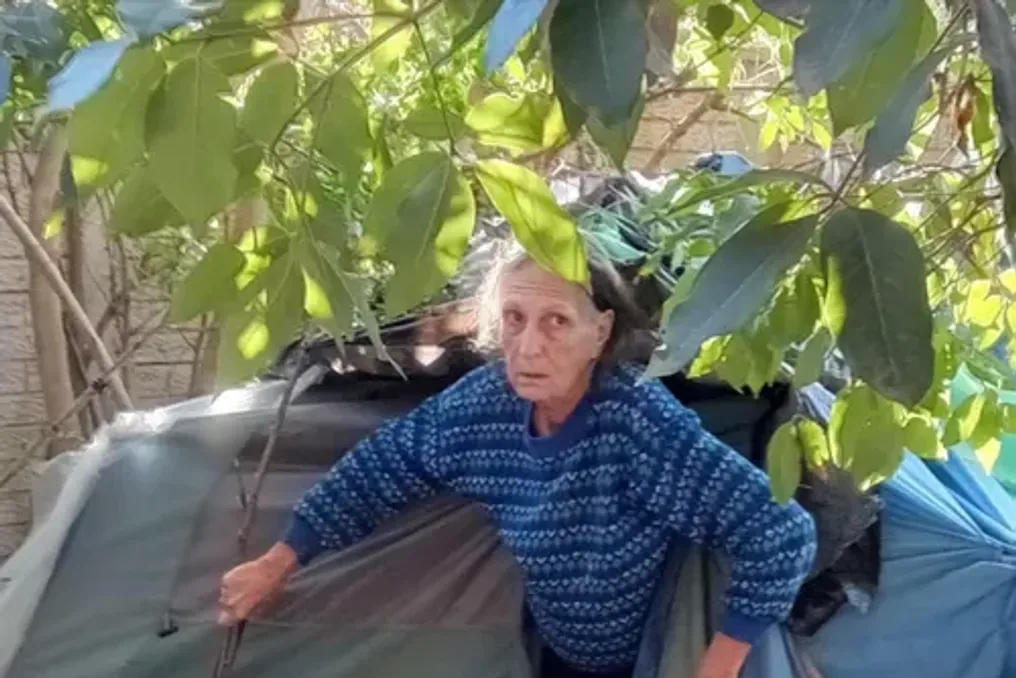
An elderly woman was rescued from a hidden tent in Durban after several months of living in difficult conditions. After being discovered, she was placed in a safe house where she received basic comforts such as hot meals, a shower, clean clothes, and a secure place to rest.
For almost three months, the elderly woman and her 33-year-old son were hiding behind an electrical substation on church grounds in New Germania, Durban, remaining unnoticed. This came to light after the support initiative for the elderly, The Elders Voice KZN, received a report about their living situation on Sunday evening.
When the organization visited the location the next day, they found a scene of despair: a torn tent, an improvised shelter, and a 66-year-old woman who had become vulnerable following a stroke in February. The woman was barefoot, disheveled, and exhausted. However, when offered help, her reaction was not about food or possessions, but simply a desire to feel human comfort again.
The woman said: 'Despite everything, when we offered her help, she cried with relief. She didn't ask about food or belongings. All she said was: 'I can't wait for a warm bath'.' The organization reported that the woman's son remained in the tent and refused to let them meet him. He was described as agitated and difficult to interact with, which caused concern among the team about how best to safely help his mother.
Realizing the situation could become unpredictable, The Elders Voice KZN sought assistance from Vincent de Beer of Gladiator Investigations. The organization noted that his calm and professional approach helped them safely remove the woman from the site. They emphasized that despite the son's hostility and agitation, Vincent handled the situation professionally, compassionately, and calmly, allowing them to safely extract the grandmother from the camp.
The Elders Voice KZN stated that the woman is now in one of their homes, where she is enjoying hot meals, a long-awaited shower, clean clothes, and most importantly, the safety and dignity she deserves. While the elderly woman begins a new chapter in her life, the organization is also taking steps to support her son, who remains at the location. They have contacted organizations specializing in addiction treatment and related support services, hoping he can receive help while maintaining contact with his mother.
The Elders Voice KZN expressed gratitude to everyone who continues to support their work, especially Gladiator Investigations for intervening in the difficult situation. For the elderly woman, this rescue restored a sense of dignity, care, and hope after months spent away from the world.
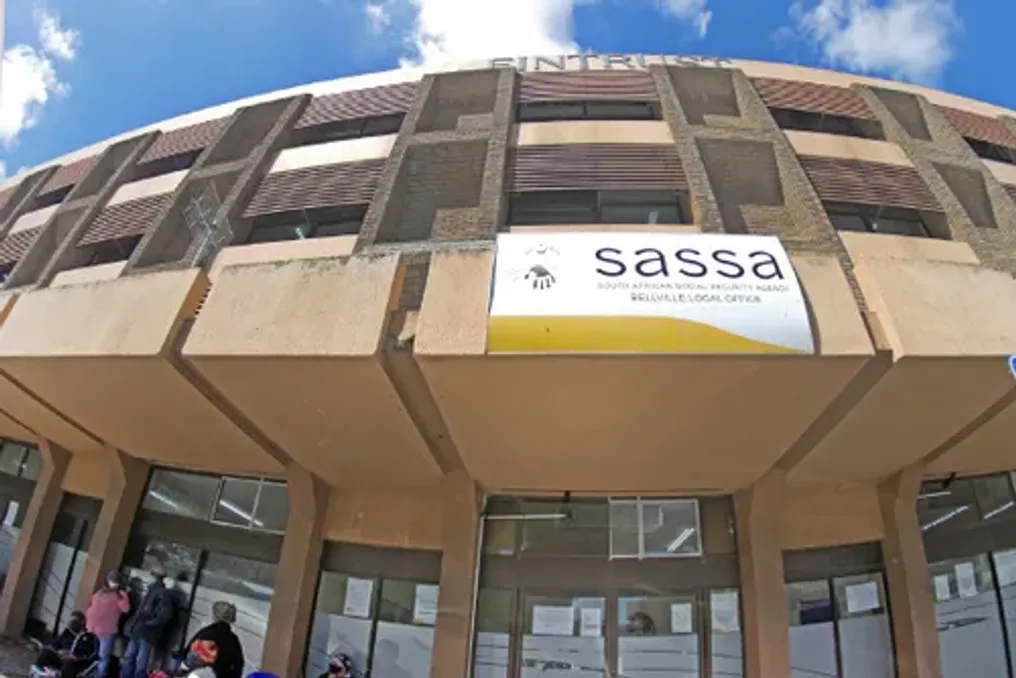
Sassa, the South African social service, has initiated one of its largest benefit reviews in recent years. As part of this initiative, the agency plans to review over 350,000 benefits in the current financial year while simultaneously implementing new measures aimed at reducing long queues and improving the quality of services provided.
According to Minister of Social Development Dineo Molefe, Sassa is obligated under the Social Assistance Act to conduct benefit reviews to ensure that recipients continue to meet the established requirements. The reviews assess whether there have been changes in an individual's income, financial status, family status, health condition, or other circumstances that may affect their eligibility for a benefit.
Sassa's data verification systems have identified over 420,000 benefits subject to review in the 2025/26 financial year. The agency has already completed over 240,000 reviews, with approximately 160,000 beneficiaries failing to attend the review. For 2026/27, Sassa intends to review more than 350,000 benefits. The Ministry expects these reviews to save around R1.5 billion in the current financial year. These funds can be redirected to other government priorities while ensuring that social assistance reaches only eligible recipients.
Many beneficiaries complained about long waiting times at Sassa offices, especially during benefit review periods. Dineo Molefe acknowledged receiving complaints shortly after taking office and urgently intervened in the situation. To reduce waiting times, the Minister announced several measures: hiring over 1,000 contract workers nationwide, bringing in additional staff to assist with applications and reviews, expanding digital services, potentially extending operating hours at some Sassa offices, and increasing capacity in understaffed branches. The goal of these actions is to improve service delivery and reduce the burden on busy branches.
Sassa is expanding its modernization program through online platforms for benefit applications, WhatsApp services, mobile applications, and e-Life certification systems. The Minister urged clients to actively use digital channels to avoid unnecessary trips to offices. In the fight against fraud, the agency has strengthened its biometric verification program, which operates in real-time with Department of Home Affairs systems. According to Molefe, this technology helps prevent identity theft, duplicate applications, and other types of benefit fraud.
The Minister stated that Sassa remains committed to conducting home visits for beneficiaries over 75 years old, as well as for those who are frail or unable to move. She emphasized that the home visit policy aims to restore the respect and dignity of the elderly. The South African social assistance program has grown significantly over the last two decades. According to Molefe, monthly social grants now cover approximately 19 million beneficiaries, compared to just over 10 million when Sassa began administering benefits in 2006. The Minister promised to visit Sassa offices across the country in the coming weeks to monitor the implementation of new measures and engage directly with communities regarding service challenges.
The autopsy results for Nolan Wells, an 18-year-old who died during the US Independence Day celebration on July 4th, are expected to be released on Wednesday. The case raises many questions because a group of friends stated that the young man decided to stay on the island where the celebration was taking place.
Authorities are investigating 'obvious contradictions,' and the family believes that 'something doesn't add up.' According to the Associated Press (AP), this is the second autopsy requested. The initial autopsy was conducted by the Mississippi State Medical Examiner's Office, the results of which have not yet been published.
The second, independent autopsy was initiated by the family and attorney Ben Cramp, and paid for by former NFL player and civil rights activist Colin Kaepernick. The attorney claims that this analysis will determine whether Nolan Wells sustained 'physical injuries other than drowning.'
In addition to the contradictions mentioned by the legal team, there are suspicions and assumptions about a connection between race and the death of the young man, who was reported missing two days later. This possibility has drawn the attention of prominent figures who have helped investigate the circumstances of the incident.
Besides Colin Kaepernick, actor Tyler Perry, former football player Terrell Owens, and activist Sharpton are offering a reward of $125,000 (about 110 thousand euros).
Wells was found in the waters near Horn Island in Mississippi on July 6th. The search began on July 4th, the day of the holiday, when friends returned home and Wells was absent. Police reported that he stayed with another girl on the same island who was not part of their group. The girl, interviewed by authorities, stated that Wells wanted to go home with his friends.
His father, Elmer Wonsley, told CBS News: 'I don't believe he decided to stay for that. It's not like his character.' The attorney also noted last week: 'There are so many obvious contradictions. And that's why so many people across the United States are speaking out that the case is not closed.'
People magazine also reported that Todd Terrell, president of the non-profit organization United Cajun Navy, explained that the young man's body was found in the water 'face down' and 'fully clothed.' Terrell, who participated in the search, added that this area also has a dangerous 'washing machine' type current that 'spins non-stop.' He explained that other areas of the Gulf of Mexico face similar risks, emphasizing that these are 'bad areas.' Mississippi has a historical reputation for racism and even recent court cases related to extreme discrimination.