Hot summer weather seriously affects not only human health but also the quality of medications stored in home first-aid kits. Improper storage of drugs can sharply reduce their effectiveness, alter their chemical composition, or even render them completely unsuitable or toxic for use.
Recommendations for storing medications
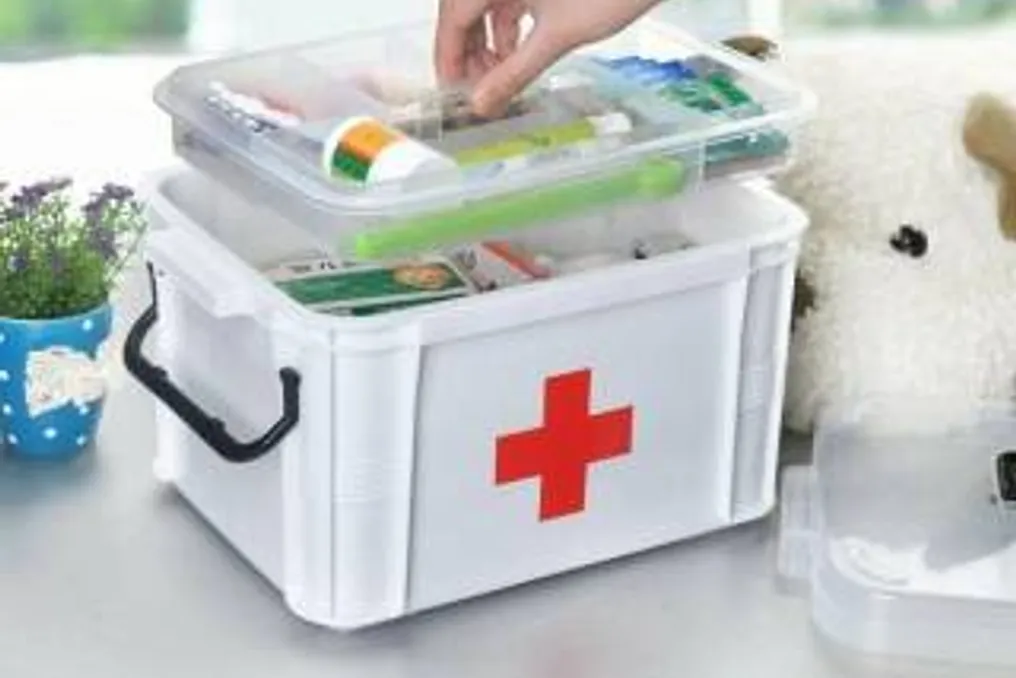
According to specialists, to preserve the therapeutic properties of medicines during hot days, several recommendations must be followed. First and foremost, the room temperature should be kept within 15–25 degrees Celsius for most preparations. It is important to avoid leaving medicines on windowsills, balconies, or in places exposed to direct sunlight, as light and heat quickly degrade the quality of the medications.
Using a refrigerator is permissible only for those medications whose instructions require storage at 2–8 degrees Celsius; not all preparations require such storage. Considering that the temperature inside a car in summer can exceed 60 degrees, it is strictly forbidden to leave medicines in the car. Furthermore, medications must always be stored in a dry, cool place, not in areas like the bathroom or kitchen where humidity is high.
It is also recommended to keep medicines exclusively in their original packaging, without transferring them to other containers. For safety purposes, all medicinal products must be kept out of reach of children or in a locked area.
The global problem of counterfeiting
The safety of medicines is related not only to storage conditions but also to the problem of counterfeit goods in the market, which is considered a global threat. According to official data from the World Health Organization, the share of falsified medicines in the global pharmaceutical market is about 10 percent. In low- and middle-income countries, this figure is significantly higher: one substandard or counterfeit product may be present in every ten medical units, and in some regions of Africa and Asia, due to weak control, this percentage reaches 19–50 percent.
Experts note that the annual global turnover of counterfeit medicines exceeds 4.4 billion US dollars. The risks associated with fake drugs are very high: they often contain dangerous toxic mixtures, incorrect active ingredients, or incorrect dosages, which can lead to mass poisoning, such as in cases involving foreign cough syrups.
Threats from the illegal market
Moreover, counterfeit antibiotics contribute to bacterial mutation because they do not destroy them completely, thereby accelerating the problem of drug resistance (superbugs) worldwide. Medicines sold through internet resources and unlicensed marketplaces also pose a greater danger, as up to 50 percent of goods purchased on websites that hide their physical location may turn out to be counterfeit. Currently, criminal groups are involved in counterfeiting not only common painkillers but also oncological drugs, hormones, and expensive vaccines.
The importance of caution when using
The quality of medicines and their proper storage are directly linked to human life and health. Since the active ingredient of a medicine can decompose under the influence of high temperatures, forming toxic compounds, any changes in color, odor, or appearance of the preparation mean that it cannot be used. Caution and responsibility when purchasing and storing medicines at home are signs of a healthy lifestyle.