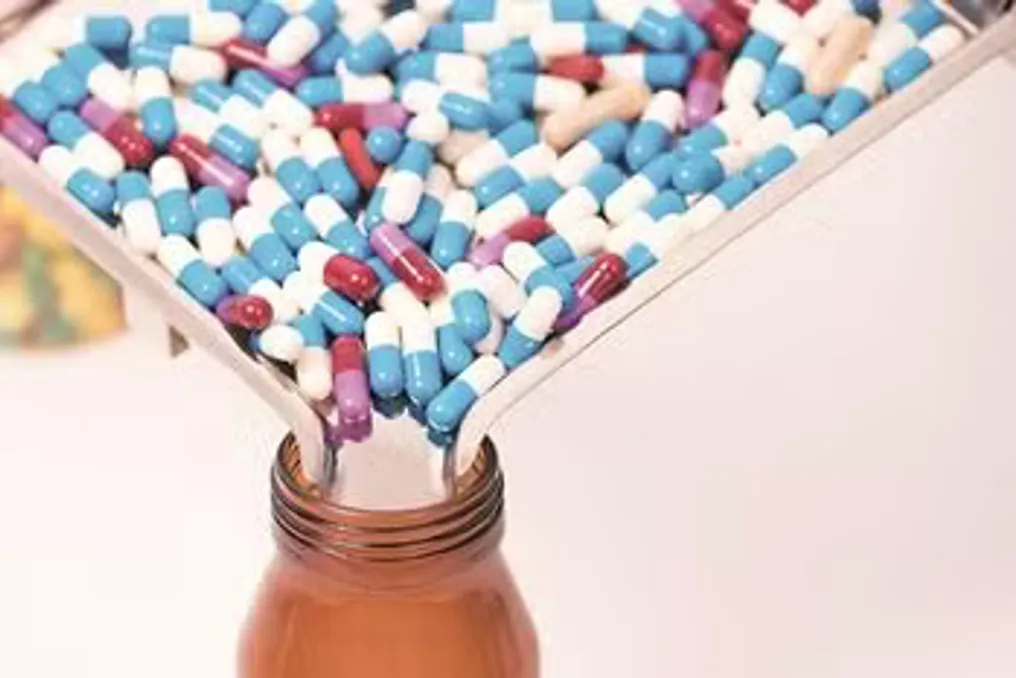
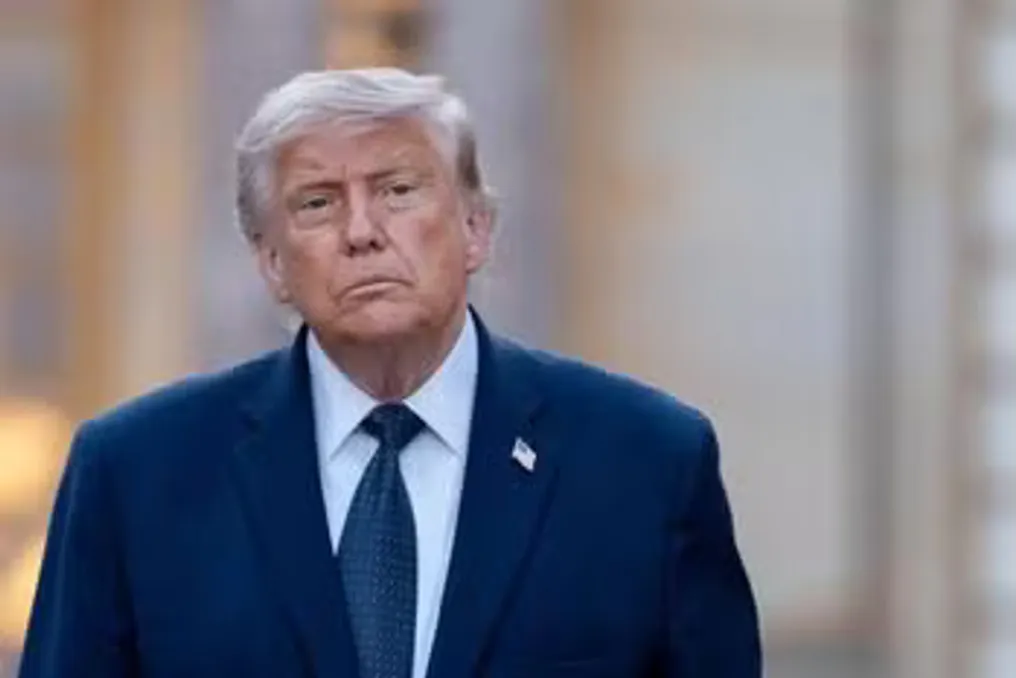
President Donald Trump stated in a social media post on Tuesday that generic manufacturers will be given two years to relocate production to the United States, otherwise they will face a 100% import tariff set to take effect in August 2028. One year later, in August 2029, this levy will double to 200%.
Goal of Production Localization Measures
According to Trump, this measure aims to bring pharmaceutical production back to America, imposing a penalty on companies that fail to build factories and equipment within the specified timeframe. Trump is using the issue of drug costs as a key factor causing concerns about accessibility, especially ahead of the 2026 midterm elections.
Drug Policy
He has long criticized price disparities between consumers in the US and international markets and has repeatedly sought to narrow this gap. The administration also launched a drug discount platform for consumers, which it named TrumpRX. The President insisted that pharmaceutical companies produce more medications in the US. In April 2025, the administration began an investigation into this industry based on national security under Section 232 of the Trade Expansion Act.
Differences in Drug Approaches
Trump clarified that his administration's plans regarding patented drugs will remain unchanged. This plan includes tariffs up to 100% on certain imported medicines, although with several major exceptions. Most of the world's largest drug manufacturers, including Merck & Co. and Eli Lilly & Co., avoided these punitive measures by reaching agreements with the administration.
Risks for Generic Manufacturers
Generic manufacturers find themselves in a more difficult position. Unlike patented drug manufacturers, they operate on minimal margins and rely on global supply chains, which makes absorbing tariffs challenging. Richard Seinor, CEO of Sandoz Group AG, one of the world's largest generic producers, warned last year that America's shift toward high tariffs would likely lead to increased drug prices and restricted patient access.
Impact on Trade Relations
The Swiss company Sandoz Group AG, along with competitors Teva Pharmaceutical Industries Ltd. and Viatris Inc., copies branded drugs after patent expiration. It manufactures many of its generics outside the US, with plants in Canada and Austria. Among US trade partners, this blow will most significantly affect India, which is the largest exporter of generics to the US. Pharmaceuticals account for three of India's main export goods to America, valued at $10.5 billion in 2024-25, according to the country's Ministry of Commerce.
Consequences for Indian Exports
The drug tariffs could negatively impact over 40% of India's exports to the US, adding to existing duties on steel, aluminum, and automobiles. However, it was not immediately clear what volume of the new tariff Indian pharmaceutical companies would have to pay, as the bilateral trade pact signed in February stipulated that India would 'receive agreed results regarding generic pharmaceuticals and ingredients.' Previously, Trump's threats to impose tariffs on pharmaceutical imports jeopardized cheap supplies from India, particularly for hypertension and depression treatments, as well as oral contraceptives, according to an analysis by Bloomberg News based on data from the firm Symphony Health.
Other Administration Actions
Regarding contraceptives, the analysis showed that about 65% of all prescription pill prescriptions in the US in 2024 were produced by only two Indian companies: Glenmark Pharmaceuticals Ltd. and Lupin Ltd. It is also worth noting that the White House is working on replacing Trump's emergency tariffs after the Supreme Court ruled them illegal earlier this year. The overall 10% tariff expires on Friday, and the administration is expected to impose duties on products from dozens of trading partners by the end of the week, citing allegedly weak labor standards.