Professor Taole Mokoena, the Health Ombudsman, found no direct link between the deaths of healthcare workers in KwaZulu-Natal and working conditions, including bullying or adverse work environments. Nevertheless, he warned about serious systemic issues that continue to affect healthcare workers across the province.
Findings from six deaths investigation
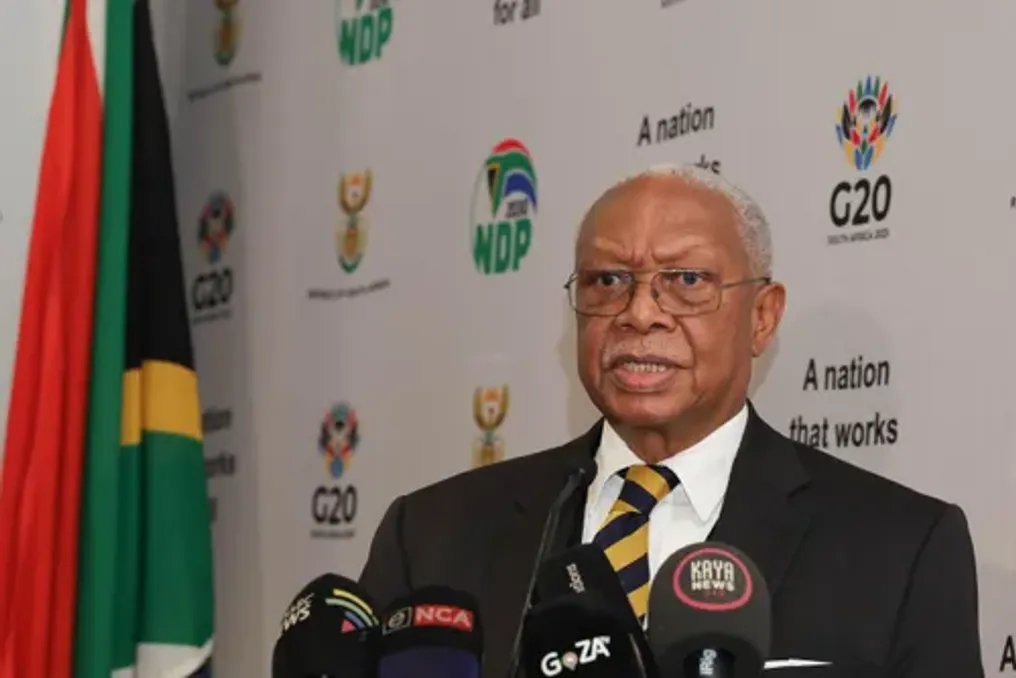
Mokoena released his findings during a press briefing on Wednesday, presenting a report on the joint investigation into six cases of healthcare worker fatalities in KwaZulu-Natal public hospitals. The investigation was conducted with the assistance of the Public Service Commission following complaints lodged by Minister of Health Dr Aaron Motsoaledi and former Portfolio Committee Chair Dr Sibongiseni Dhlomo, amid public concern and extensive media coverage.
Mokoena stated that the purpose of the review was to determine whether workplace conditions, human resource practices, or broader systemic issues contributed to the deaths. He said: 'The general conclusion is that the investigation did not find evidence pointing to a direct causal link between the deaths under investigation and workplace bullying, harassment, or adverse working conditions in any of the affected institutions.'
Systemic problems in the healthcare system
Despite this conclusion, Mokoena emphasized that the healthcare system is not free from serious problems. The investigation revealed significant systemic concerns affecting healthcare workers in various health facilities. Among the identified issues are persistent staff shortages, frozen vacancies, excessive workload, shortages of medical equipment and consumables, infrastructure problems, insufficient employee well-being support, and safety concerns.
These issues require immediate attention as they impact both the healthcare workers themselves and indirectly the quality of public service. The review examined hospital records, human resource practices, employee well-being programs, and disciplinary cases. Interviews were also conducted with hospital management, healthcare workers, interns, union representatives, and support staff.
Details of individual deaths
Regarding the death of Dr Tumelo Kgaladi, a 31-year-old doctor who passed away at his residence while not on duty at Addington Hospital, Mokoena found no causal link between his death and working conditions. Indirect evidence suggesting possible carbon monoxide poisoning was found, but the final determination of the cause of death remains subject to South African Police investigation and court proceedings.
In Dr Kgaladi's case, the investigation showed he had a history of mental health issues that he had not reported to the hospital. The review also uncovered staff shortages, high workload, gaps in employee well-being support, and deficiencies in hospital medical monitoring processes.
No link was established between the death of radiographer Mvelo Sele at Port Shepstone Hospital, who died of cardiac arrest while on duty, and working conditions. However, the hospital faced staffing issues, including specialist departures and difficulties filling positions due to budget constraints.
Concerning Dr Siyabongi Zulu from Ngvelezane Hospital, who died in a car accident off duty, Mokoena found no evidence linking his death to working conditions or systemic hospital problems. Nevertheless, difficulties such as staff shortages, safety issues, and inadequate employee well-being support capacity were identified.
Review of allegations against Dr Idika
Mokoena also reviewed allegations related to the death of Dr Francis Idika from Wrighthead Hospital, where it was claimed that his death resulted from workplace bullying, harassment, and disciplinary action. The investigation did not substantiate these claims, establishing that Dr Idika died of natural causes after an aortic rupture. However, the review did reveal failures in complaint management, disciplinary matters, and workplace conflicts within the hospital.
In the case of Dr Aluluto Mazwi, a medical intern at Prince Mshiyeni Memorial Hospital, rumors on social media that he was ordered to come to work while sick were refuted. Mokoena noted that he became seriously ill overnight in the hospital's residential block and was taken to the emergency department, where he was pronounced dead upon arrival. The most likely cause of Dr Mazwi's death was pulmonary embolism due to deep vein thrombosis.
Issues among junior medical staff
The investigation highlighted issues with support systems available to interns and identified a culture among some young doctors who feared taking sick leave for fear of extending their internship rotations or increasing colleagues' workload.
The Health Ombudsman also addressed the death of Dr S.I. Ngidi, a community health doctor at Benedictine Hospital, who died by suicide after ingesting rat poison off duty. Mokoena established that Dr Ngidi was not directly involved in the birth registration fraud case involving his name. Weaknesses in the hospital's document control processes, including pre-signed blank birth registration forms, were identified, and this matter was referred to law enforcement.
Healthcare workers consistently expressed concerns regarding burnout, increased workload, limited mental health support, workplace safety issues, and infrastructural challenges. Many employee well-being programs were underfunded and unable to adequately meet the needs of healthcare workers. Mokoena stressed: 'The system cannot effectively care for patients if it cannot adequately support those who provide the care.'
Recommendations and next steps
Mokoena also raised the issue that chief executives in some hospitals lack medical qualifications, creating a conflict of authority in these institutions. The Health Ombudsman put forward recommendations aimed at strengthening employee well-being programs, improving staff support systems, resolving safety issues, enhancing oversight and accountability, and ensuring compliance with established norms and standards for healthcare facilities.
He concluded that the publication of this and many other reports does not mark the end of the process, but rather part of the journey toward creating and maintaining a safe, responsive, and high-quality healthcare system in the country. The findings and recommendations will be submitted to the Health Standards Compliance Directorate for monitoring and implementation, while the Health Ombudsman will continue to collaborate with this directorate to ensure improvements in healthcare worker well-being, patient safety, and quality of care.