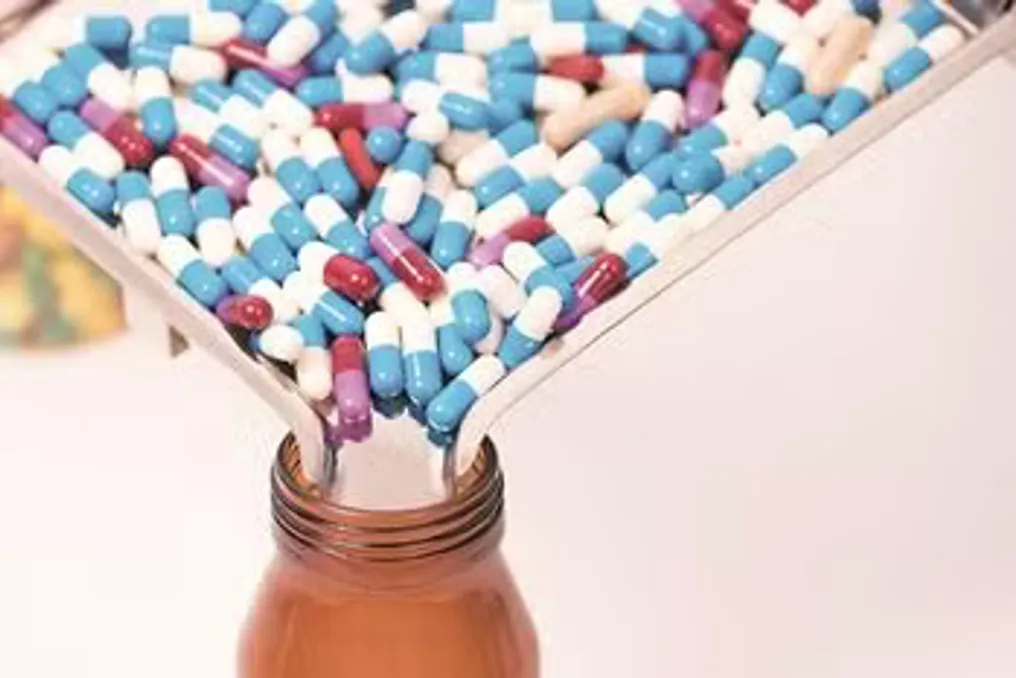
Shares of Indian pharmaceutical companies declined on Wednesday following a statement by US President Donald Trump that imported generic drugs would benefit from zero tariffs for two years, starting August 1, 2026, after which they could face potentially very high duties.
Tariff Increase Schedule
In his post on Truth Social, Trump announced that the tariff would rise to one hundred percent after the two-year period, remain at that level for one year, and then increase to two hundred percent. This means that a 100% tariff will be in effect starting August 1, 2028, and a 200% duty starting August 1, 2029.
Market and Company Reaction
The Nifty Pharma index fell by approximately 1.6 percent in early trading, becoming the least successful sector index. Among companies with a share in the US market, Cipla and Lupin lost about 2.5 percent each, Sun Pharmaceutical Industries dropped by 2 percent, and Dr Reddy’s Laboratories slipped by more than 1 percent. Aurobindo Pharma, Zydus Lifesciences, Alkem Laboratories, and Torrent Pharmaceuticals also fell by up to 2 percent.
Industry Goals and Concerns
Trump stated that this policy is intended to restore the production of generic drugs in the US. Companies that do not build manufacturing facilities and install equipment in the country will face sharp tariffs after the transition period ends. This statement came amid existing pressure on the export of Indian pharmaceuticals to the US.
India's total pharmaceutical exports grew by 2.13 percent to a record $31.12 billion in the 2025-26 fiscal year (FY26). However, supplies to the US decreased by almost 10 percent year-on-year, amounting to $9.47 billion, according to data from the Directorate General of Commercial Intelligence and Statistics collected by Pharmexcil. The US remains India's largest export market, accounting for over 30 percent of all shipments. Exports to the broader North American region, including the US, Canada, and Mexico, fell by 7.9 percent in FY26.
Expert Outlook
Pharmexcil Chairman Namit Joshi previously explained the decline in US exports in FY26 as primarily cyclical, not structural, reflecting a high base level, ongoing erosion of generic prices, supply chain inventory adjustments, and product life cycle timing. Nevertheless, Indian exporters and analysts questioned the possibility of the US creating an economically competitive ecosystem for generics production within two years, given the time required for facility construction, regulatory approvals, and product transfer.
One industry source noted: 'Creating a generics ecosystem within two years seems unlikely. Perhaps investment rates have slowed or companies are maintaining the status quo, and he is trying to re-energize the situation.' The source added that the proposed tariff introduction in 2028 coincides with the US election cycle.
Namit Joshi also expressed the view that establishing a generics production ecosystem in the US in two years appears to be a difficult task. Ravi Uday Bhaskar, former CEO of Pharmexcil, considered it positive to maintain the zero tariff for two years, as this could help avoid further drug shortages in the US. He noted that Trump is 'extremely unpredictable and volatile.'
Bhaskar also called the two-year timeframe unrealistic, stating: 'I don't think it will happen due to production costs and other factors.' Bhavin Mukund Mehta, Permanent Director of Kilitch Drugs and Vice Chairman of Pharmexcil, advised the industry to await further details, as the proposed tariffs were still two years away.
Economic Justification for Production
Analysts believe that the difference in production costs between India and the US may continue to protect Indian suppliers even after the tariffs are introduced. Tushar Manudhane from Motilal Oswal Financial Services pointed out that production costs in India are approximately 40–60 percent lower than in the US, which is the economic basis for outsourcing generic drug production to countries like India. He suggested that even with tariffs, India's cost advantage might not disappear entirely.
Manudhane also noted that many Indian manufacturers operate through US subsidiaries, and the tariff will likely be calculated based on the transfer price at which the product enters the US, rather than its subsequent retail price in that market. He added that building a manufacturing facility alone will take at least two years, followed by inspection and product approval, which could add another 12–15 months before commercial production begins. These factors call into question the economic viability of setting up generic drug plants in the US and point to limited impact on Indian suppliers in the short term.
Healthcare Implications
Nirali Shah, research analyst at Ashika Investment Managers, emphasized the significance of the announcement but noted that the market reacted before detailed rules were available. She stated: 'Companies can always set up production where it makes economic sense. The real question is whether the production of inexpensive generics can be moved back without losing their price advantage.' She also warned that the consequences extend beyond manufacturers, as 'generic drugs are widely used under Medicare and Medicaid, so any significant increase in the cost of generics will also affect government healthcare spending.'
According to the Accessible Medicines Association, generic drugs account for nine out of ten prescriptions written in the US. The proposed tariff applies to the import of generics from all countries and is not specifically aimed at India. The latest announcement is part of Trump's broader efforts to shift pharmaceutical production to the US. Previously, on April 2, 2026, a presidential decree set a default 100% tariff on certain patented pharmaceutical products and related ingredients but excluded generics and biosimilars from this tariff. However, the proposal for a generic tariff was only made via a social media post, and the official decree establishing its legal basis, product scope, valuation method, exclusions, and procedure for companies investing in US production has not yet been issued.