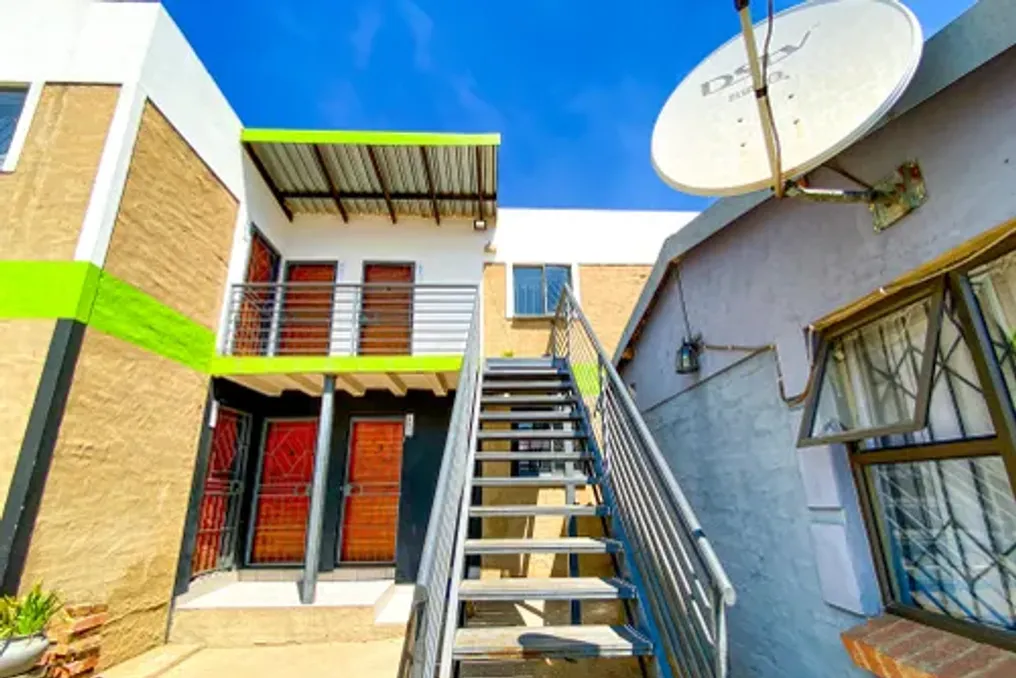
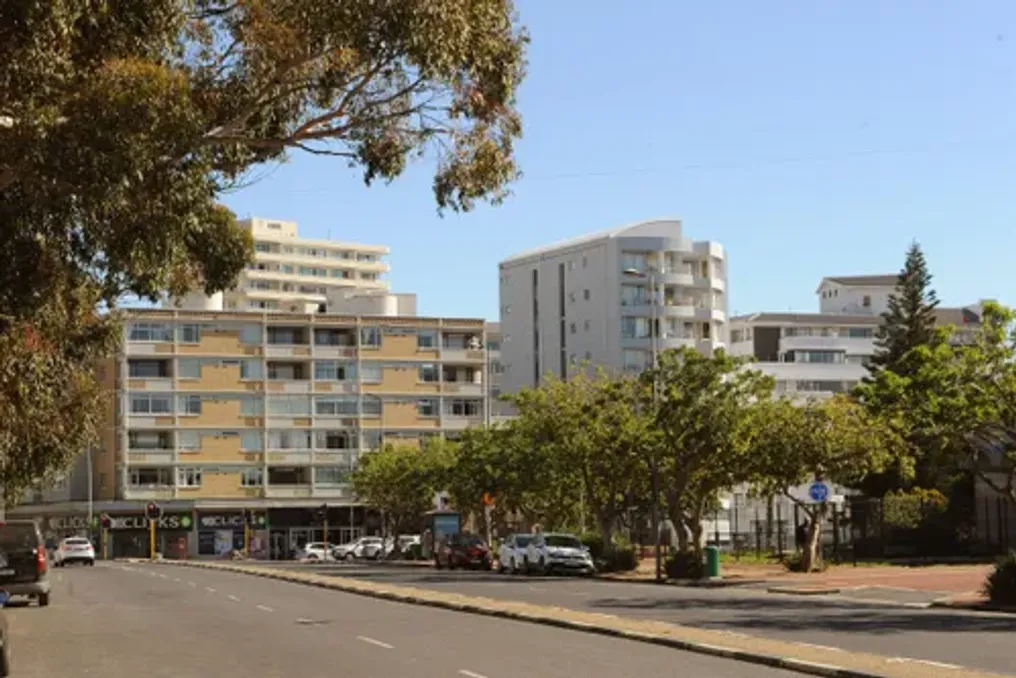
South Africa is characterized as a country where rental housing predominates. Approximately 4.5 million households, which constitutes almost a quarter of the population, rent their homes. According to a report by Old Mutual Alternative Investments, the apartment rental segment has increased by approximately 54,000 units over the past five years.
Investment Opportunities in the Market
The private alternative investment management company notes that the institutional rental housing fund still represents only a small part of the overall market. Old Mutual Alternative Investments believes this gap opens up attractive investment opportunities in professionally managed, well-located rental platforms that reflect the modern lifestyle of South Africans—urban, mobile, and accessibility-focused. The company emphasizes that providing quality, safe, and affordable housing in multi-unit buildings is inseparable from investment attractiveness.
Market Sustainability and Urban Pressure
The housing market has always shown resilience because it is closely linked to real economic activity. Aidan-John (AJ) Rotman, CEO of Tuhf Capital, stated at the beginning of this month that the current situation is not a market crash but a continuation of its evolution. He explained that demand follows jobs, infrastructure, and functioning urban hubs, and capital is forced to follow this reality.
Urban pressure is already an evident factor. The World Bank estimates that in 2024, 69.3% of South Africa's residents lived in urban areas, creating constant pressure on cities to provide affordable and economically viable housing.
Challenges in Accessing Formal Housing
Rotman added that the housing shortage problem goes beyond a simple construction issue; it reflects the ability of cities to respond quickly to people's needs for places to live and work. He noted that the real opportunity lies in supporting real estate entrepreneurs to create scalable and viable businesses that meet this demand. This is why, according to Rotman, the evolution at Tuhf Capital is important, as it more clearly expresses the company's work in supporting entrepreneurs with finance, expertise, and partnership to build sustainable real estate businesses.
Opportunities are becoming more evenly distributed geographically. This includes not only central and suburban areas but also growing demand in township markets, where access to formal rental housing remains limited. In the Gauteng province, transaction activity has increased due to rising investor confidence and developers starting to operate in suburbs such as Randburg, Midrand, and Centurion. Meanwhile, in the Western Cape, migration and price pressure are forcing development outside traditional central areas into suburban and secondary zones. In KwaZulu-Natal, economic centers like Umhlanga and Durban Port Trade Centre are forming demand patterns that are slowly being covered by supply.
Reasons for Rent Increases
Waldo Marcus, Director of TPN Credit Bureau, stated in February that the scarcity of affordable rental stock, especially in the residential market, will continue to drive price increases. The main problem, in his opinion, is the excessively high costs and complexity of new construction. He added that high construction costs combined with the liquidation and rescue of numerous construction companies will result in new stock entering the market at a significantly higher price, limiting reliable investment returns (ROI).
Forecast and Rental Management
The persistent shortage of rental housing stock is the main driver of projected rent increases, while commercial real estate, especially office space, continues to face difficulties, though vacancy rates are improving due to limited new supply.
Credit Bureau forecasts that residential rent growth will fluctuate between 4.5% and 5.5% in 2026. In turn, Celsa Property Group asserts that rental housing is not ready for the next tenant immediately after the keys are returned. The company points out that the period between leases is critical for property protection and preparation for a successful new agreement.
Before a new tenant moves in, the process may include: conducting an on-site inspection, comparing the property's condition with the initial inspection report, recording meter readings, collecting all keys or access devices, determining repair, maintenance, or cleaning needs, coordinating contractors and supervising work, and completing a new incoming inspection and condition report. The company adds that properly executing this process helps reduce disputes, prevents maintenance issues in the next lease period, and ensures a better experience for the new tenant from day one. For property owners, this also means fewer unnecessary delays and greater confidence that the property is in good condition between leases. The company concludes that a smooth move-in starts with the work done before the new tenant arrives.