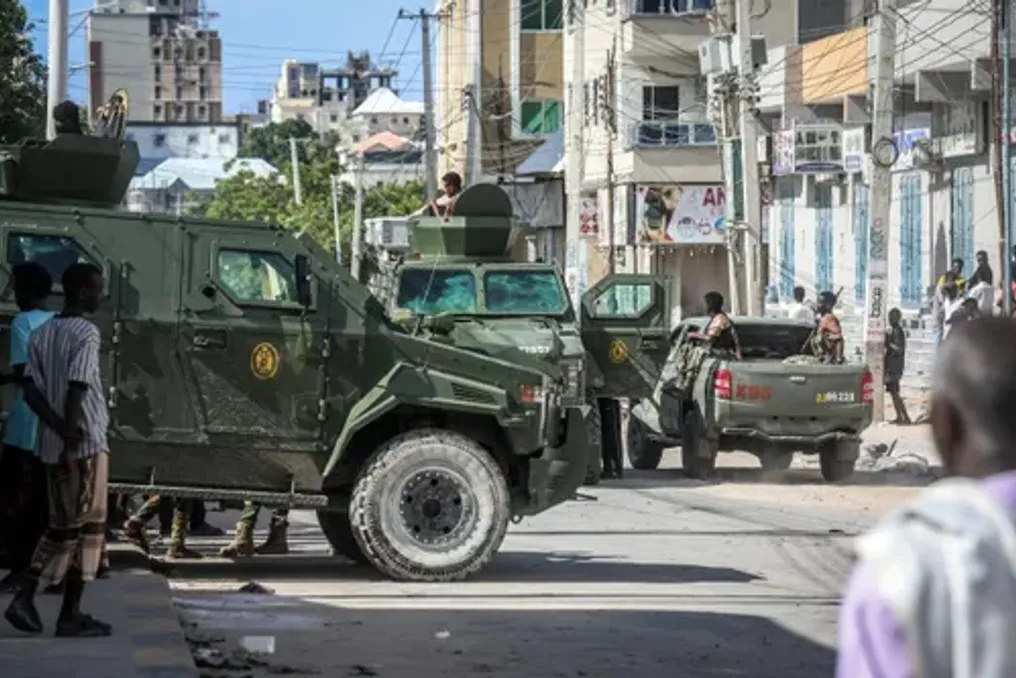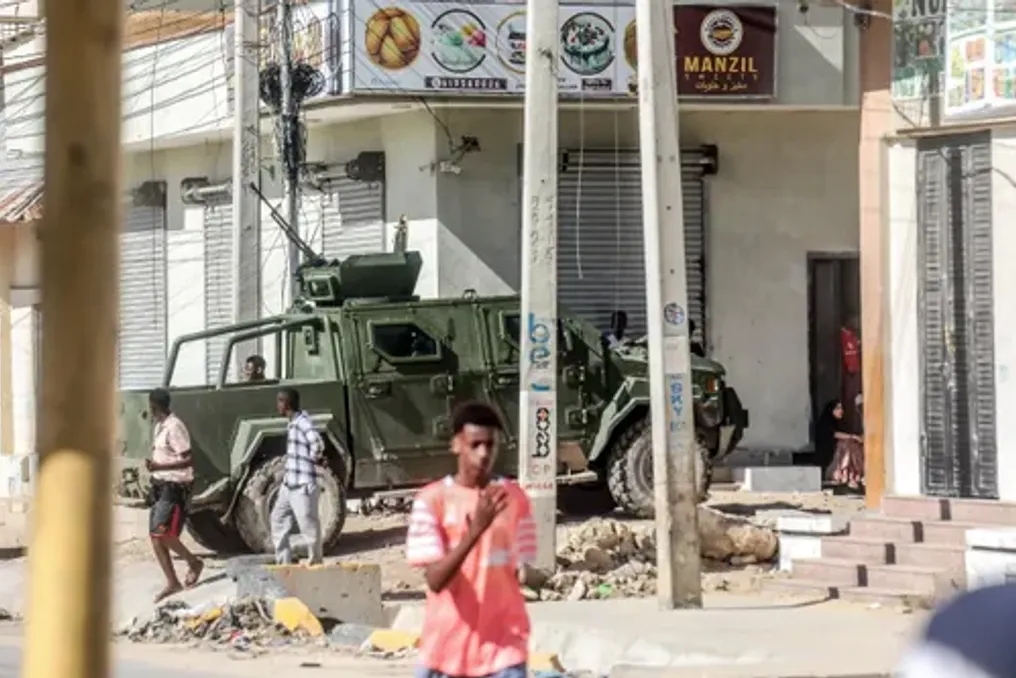
The problem of high youth unemployment persists in Somalia for nearly a decade. Among many stories from this country is a recent case: the conviction of a Somali healthcare worker residing in Birmingham, UK. She was charged with helping her sister enter Ireland using another person's Swedish passport.
Motives and Social Context
The lawyer for 47-year-old Mona Mohamed Sharif argued that her actions were driven by compassion, not financial gain, as her sister was fleeing forced marriage in Somalia. However, Mona's and her sister's story, highlighted by the platform Somali Robert, raises a broader question: why has Somalia become a country that forces its youth to leave, even if the journey ends in imprisonment in Europe?
The platform notes that 75 percent of Somalia's population is under 35 years old. Nevertheless, what should have been a major national asset is increasingly becoming one of the most serious problems. Instead of serving as a source of national strength, this demographic group has turned into a generation of missed opportunities.
Economic and Educational Barriers
Youth unemployment in Somalia remains chronically high for almost a decade. The reason lies not only in the limited number of jobs but also in the growing mismatch between the qualifications young people receive and the skills required by the labor market.
Another challenge relates to higher education. Despite having over 100 universities in Somalia, many operate out of small apartments with limited academic resources and infrastructure. Insufficient investment in the education of the most numerous demographic group means that many young Somalis have no alternative but to participate in military activities.
Risks of Extremism and External Interference
The situation is exacerbated by extremist organizations operating across Somalia, including ISIS, Al-Qaeda, and Al-Shabaab, who continue to present themselves as an alternative to vulnerable youth. While the efforts of terrorist groups to recruit young Somalis are widely acknowledged, there are also concerns about accusations that the federal government exploits youth poverty by recruiting and sending young Somalis as labor for regional conflicts.
Reports indicate that Saudi Arabia supports a so-called 'shadow army' on Somali territory, consisting of thousands of recruits, aimed at advancing strategic interests in the Red Sea and Bab el-Mandeb to the detriment of Somalia's sovereignty and its young generation.
Military Cooperation and Concerns
Reports of Saudi Arabian military activity in Somalia have intensified these concerns. According to Somalia Today, a Saudi military delegation visited two training camps in the Guri-Chil area of Galmudug at the end of June. There, it is reported, over 5,000 young Somali recruits are undergoing military training as part of a Saudi-funded program, highlighting Riyadh's expanding role in the Horn of Africa region.
The report states that 5,107 recruits are participating in the program, undergoing a nine-month course covering basic military skills, operational procedures, and combat training. Approximately 2,000 recruits were taken from Puntland in northeastern Somalia, and the rest from other parts of the country. The report also indicates that foreign mercenaries from Romania and Colombia are supervising the training.
The Future of Somali Youth
Despite President Hassan Sheikh Mohamud stepping down in April stating that his government would cease sending newly recruited Somali personnel abroad for initial military training and instead expand domestic military education, concerns remain. There is a possibility that recruits from these camps could be transferred to Port Sudan to fight on behalf of the Sudanese army and its allies from the Muslim Brotherhood, an organization designated as a terrorist group by several Western, African, and Asian countries.
These events once again focus attention on the conditions faced by Somalia's youth. In a country at a critical crossroads—facing drought, internal conflicts, and economic difficulties that exceed the capacity of many young people and their families to cope with—the central question remains open: will Hassan Sheikh Mohamud's administration continue to rely on the poverty of young Somalis as a source of recruits for regional conflicts, or will it support the constitutional process, move towards opening the path to political settlement with the opposition, restoring the nation's course, and implementing an economic concept capable of utilizing youth potential while reducing migration pressure?