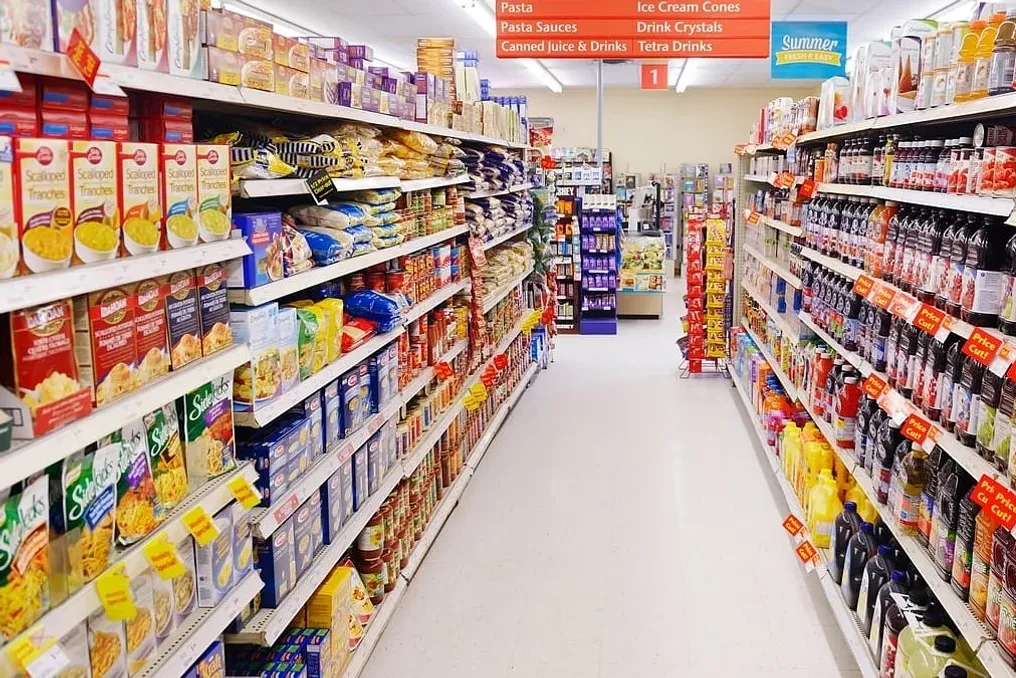
Shelves with chocolate and chewing gum, previously located near the checkout counters, have disappeared from the Carrefour supermarket in Abu Dhabi. This change is one of the first visible signs of a new directive requiring supermarkets across the emirate to exclude unhealthy food and beverages from so-called 'high-traffic zones.'
What are temptation zones?
These three locations—store entrances, aisle ends, and checkout areas—are usually the most valuable retail spaces, encouraging unplanned purchases. Rodha Mohammed, a resident of Oman, noted that this change will affect more than just shopping habits. She stated: 'This is an excellent, healthy step that will change many of our and our children's habits, especially impulse buying at the checkout. The checkout is a temptation zone; we buy things that are not good for our health just to fill waiting time.'
Omayma Saleh, a resident of Jordan, expressed concern about the store entrance. She said: 'Unhealthy products at the supermarket entrance have always worried me, especially in those tempting promotional displays. They distract you from your real needs. What I saw at Carrefour was wonderful. Displaying clean, healthy products upfront will prompt people to think before buying.'
For Mansour Al Hashmi, an Emirati citizen, this change is important for the family budget. He reported: 'We are a family of more than nine people, so I carefully monitor what I buy. What pleases me is that sweets are starting to disappear at the cashier. If you are buying for all the children at once, the cost is high, and the harm is even greater.'
How does labeling influence choice?
The changes are not limited to store layout. Packaged products increasingly feature Nutri-Mark labeling—a rating system on the front of the package that ranks items from A (highest nutritional value) to E (lowest). Jamal Abdulaziz, a resident of Egypt, noted that these labels have changed the contents of his cart. He explained: 'The labeling pushed me to replace some products after seeing the sugar and hydrogenated oil levels in them. Honestly, I never paid attention before, and most of them were my daily staples: chocolate, chips, juices. I still love them, but my health is more important in the long run.'
Maha Ahmed, an Emirati citizen, added that the TAMM application fills gaps not yet covered by labeling. She clarified: 'I use the TAMM app, and it helps a lot, especially with products that don't yet have labels, because it classifies the products for you. I hope this initiative will eventually extend not only to food but also to baby, body, and skin care products.'
Abu Dhabi's overall approach
Khaleej Times personally observed this change at one of the Carrefour branches in Abu Dhabi, and social media reports indicate that the retail chain is gradually implementing this directive across all its stores in coordination with relevant authorities. This step is part of broader Abu Dhabi efforts, which include banning fast-food advertising and tightening school meal standards. This approach aims to change the environment around consumers rather than directly restricting their choices.