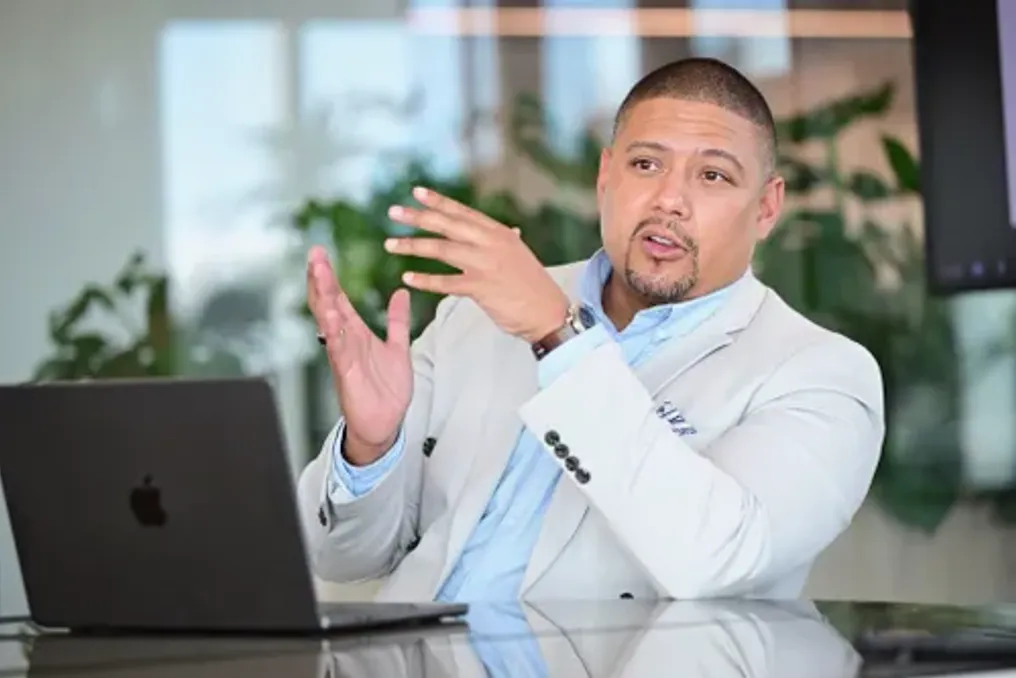
Sekunjalo Group announced that it will cease funding Independent Media because the company has reached the limit of investment support. After investing more than R5.2 billion over the last decade, the group believes its investment journey is complete.
Popular
Change in Licensing Agreements
This decision marks a significant turning point for one of South Africa's largest media groups. Sekunjalo confirmed that after July, Independent Media will no longer hold the license to use the mastheads of popular newspapers such as Cape Times, The Star, and The Mercury.
The CEO of Sekunjalo Group, Lucien Jacobs, stated that the licensing agreement allowing Independent Media Publications to use their mastheads expired at the end of June. A one-month extension was granted until the end of July, after which the license will terminate.
Future of the Mastheads
Jacobs specified that from the end of July, Independent Media will lose the right to use these mastheads. Options are currently being considered: retaining the names within the group, licensing them to a third party, or managing them through another commercially viable scheme.
He emphasized that the group's investments in Independent Media represented one of the largest private contributions to the South African news industry during a period of severe difficulties for the global media sector.
History of Acquisition and Investments
For over ten years, Sekunjalo remained one of the largest private investors in the South African media industry. Investments exceeding R5.2 billion reflected the company's belief in one of South Africa's most vital democratic institutions. Independent Media was acquired in 2013 for R2.1 billion, with Sekunjalo Consortium contributing R1.2 billion and the Public Investment Corporation (PIC) providing R880 million.
Jacobs noted that the acquisition at the time ensured the preservation of local ownership of one of the oldest and most influential newspaper groups while creating a platform for transformation. Since then, the Group has additionally invested R1.8 billion directly into Independent Media's operations, and another R2.2 billion has been directed towards media-related businesses, technology platforms, and infrastructure.
Reasons for Ceasing Funding
Despite the significant investments, management concluded that further funding of an unprofitable business is not commercially sustainable. Jacobs explained that the new management team has adopted a fundamentally different approach. Unlike the previous management, which continued to support Independent Media despite constant losses to preserve jobs, support journalism, and promote media freedom, the current responsibility is to ensure that the business operates on sound commercial principles.
Independent Media was officially notified that it can no longer rely on continuous financial support from Sekunjalo. Consequently, the company's ability to continue operating as a viable business is currently uncertain, according to Jacobs.
Next Steps and Commitments
Jacobs added that Sekunjalo intends to engage constructively with other shareholders, including the Public Investment Corporation, SACTWU, and Interacom, to find sustainable solutions. He stated that it is too early to make any comments about Independent Media's future after July.
In the long term, all future investment decisions and product decisions concerning the group's media assets will be based on commercial sustainability. Jacobs concluded: 'After investing over R5.2 billion over the last decade, we believe we have fulfilled our obligation to preserve one of South Africa's most vital media institutions. Now we will invest at our own expense, not for the benefit of other shareholders.' He also stressed the commitment to investing in wholly-owned media operations and focusing on ensuring financially sustainable foundations for these assets.