Around the western part of the Indian Ocean, spices are not merely culinary ingredients but a part of a history that has shaped the cultures, economies, and gastronomy of these islands for centuries.
Long before beach resorts and luxury lodges attracted tourists, merchants from Arabia, Africa, India, and Europe crossed these waters in search of valuable spices. The trade routes they established left behind a unique blend of traditions that can still be felt through local cuisine, architecture, agriculture, and customs.
Similar stories
Popular
Diversity of Spice Islands
From the well-known spice plantations of Zanzibar to the vanilla plantations of Madagascar, the multicultural cuisine of Mauritius, and the fragrant ylang-ylang fields of Réunion—these islands offer an unforgettable sensory journey unlike anything else in Africa.
Zanzibar: Cradle of Spices
Nowhere are spices as closely linked to a place as they are in Zanzibar. This archipelago, nicknamed the 'Spice Island,' became one of the world leaders in clove production in the 19th century. Today, its fertile soils continue to yield cloves alongside cinnamon, black pepper, cardamom, nutmeg, turmeric, ginger, and vanilla.
Spice Plantation Tour
Visiting one of Zanzibar's numerous spice farms is considered a hallmark of the island. Tours introduce visitors to the plants that form the basis of familiar products, showing how spices are grown, harvested, and processed. Guides often invite guests to smell fresh leaves, taste tropical fruits straight from the trees, and watch skilled coconut harvesters.
Strolling Through Stone Town
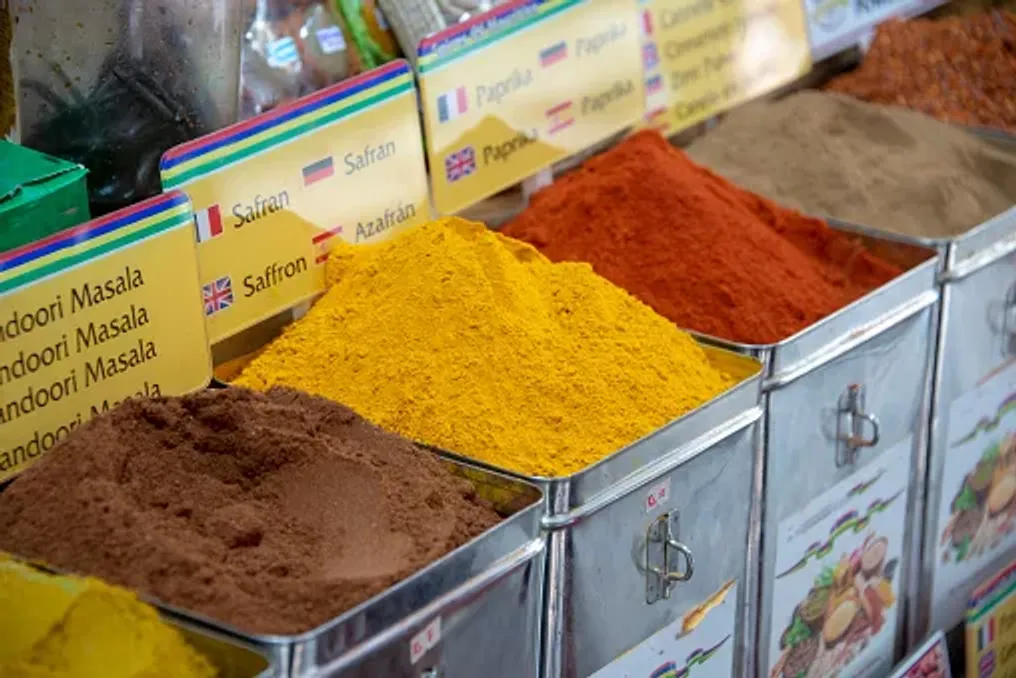
Zanzibar's Stone Town, a UNESCO World Heritage site, reflects centuries of cultural exchange between Africa, Arabia, Persia, and India. Visitors can wander through narrow alleys adorned with carved wooden doors, visit colorful spice stalls at Darajani Market, and try local dishes such as biryani, pilau rice, seafood curry, and the famous Zanzibar pizza.
The historic buildings, bustling markets, and aromatic cafes of the city provide a fascinating glimpse into the island's trading past.
Pemba Island: Land of Cloves
Near Zanzibar lies Pemba Island—a quieter destination often overlooked by international tourists. Nevertheless, it remains one of the world's most important regions for clove production, with thousands of clove trees covering its green hills.
Getting to Know Island Life
Unlike its more famous neighbor, Pemba offers a more relaxed pace of travel. Visitors can walk through working plantations, meet local farming communities, and learn the process of harvesting, drying, and preparing cloves for export. The annual harvest fills the air with the unique aroma of cloves, making this time of year an unforgettable visit.
A Blend of Spices and Adventure
Pemba is also renowned for its exciting diving, pristine coral reefs, and mangrove forests. After touring the spice farms, guests can spend the second half of the day snorkeling, kayaking, or exploring the island's untouched coastline.
Madagascar: Home of the Best Vanilla
Madagascar produces the majority of natural vanilla in the world, and nowhere is this clearer than in the lush SAVA region in the northeast of the country. Here, vanilla orchids bloom in the humid tropical climate, creating one of the island's most valuable agricultural exports.
The Vanilla Journey
Producing high-quality vanilla is an extremely labor-intensive process. Each orchid flower is hand-pollinated, and then the pods undergo months of maturation to develop their rich aroma. Many farms welcome visitors to learn about every stage of production: from flowering vines to aromatic beans found in kitchens around the world.
Land of Spices
Although vanilla is Madagascar's most famous export, the island also grows cloves, black pepper, cinnamon, cocoa, and coffee. Local markets are filled with fragrant spices alongside tropical fruits and handicrafts, making them pleasant stops for curious travelers. Madagascar's unique biodiversity adds another dimension to this journey: lemurs, baobabs, and unique tropical forests are very close by.
Mauritius: A Fusion of Cultures and Flavors
Mauritian cuisine reflects centuries of migration, blending African, Indian, Chinese, French, and Creole influences into one of the most diverse culinary cultures of the Indian Ocean. Spices play a central role in many local dishes, giving the island's culinary traditions their distinctive character.
Exploring Historic Gardens
Botanical gardens and historic estates across Mauritius showcase tropical herbs, spice plants, and fruit trees that have been introduced over hundreds of years. Visitors can stroll through fragrant gardens, learning about the history of agriculture and the island's colonial past. Some estates also offer tastings using local vanilla, cinnamon, chili, and tropical fruits.
Mauritian Gastronomy
Food is one of the best ways to experience the island. Try rich curries, dholl puri, rougaille, seafood dishes, and freshly made chutneys, all seasoned with aromatic local spices. Many local distilleries also produce spiced rum infused with vanilla, cinnamon, and other botanical products grown on the island.
Réunion: Where Spices Meet Perfumery
Although Réunion is better known for its volcanic landscapes and hiking trails, it also possesses a rich agricultural heritage centered around Bourbon vanilla and the fragrant ylang-ylang flowers.
Visiting Vanilla Farms and Distilleries
Bourbon vanilla, named after the former name of the island, remains one of the world's most sought-after varieties. Visitors can tour vanilla plantations to see how the valuable pods are cultivated and aged. Elsewhere, ylang-ylang flowers are distilled into essential oils used by luxury perfume houses worldwide. Observing the traditional distillation process provides fascinating insight into one of the island's lesser-known industries.
Tasting Creole Cuisine
Réunion's cuisine combines French techniques with Creole traditions. Popular dishes such as curry, rougail, and vanilla desserts demonstrate the island's multicultural heritage, while local markets overflow with tropical fruits, spices, and homemade preserves.
Planning an Adventure in the Spice Islands
The dry season, usually from May to October, provides pleasant weather across most of the western Indian Ocean, although each island has its own regional climate. Tours of spice farms are available year-round, but harvest periods offer a particularly vibrant experience when plantations buzz with activity and the air is filled with fresh aromas. Combining two or more islands in one trip allows travelers to experience the wonderful diversity of cultures, cuisines, and landscapes that have developed due to centuries of maritime trade links.
More Than Just Spices
The spice islands of Africa tell a story that goes far beyond cuisine. Their plantations, markets, and historic ports show how a handful of aromatic crops once connected continents, created fortunes, and shaped world history. Today, travelers can still follow these ancient trade routes—not on trading ships, but through farm tours, bustling food markets, family restaurants, and hospitable island communities. Every clove, vanilla pod, and cinnamon stick serves as a reminder that these islands remain among Africa's most captivating cultural destinations.
Anyone involved in creative pursuits is familiar with the feeling of being unable to fill a blank page, having their camera remain in their bag, or seeing sketches gather dust. When ideas and words fail to come, sometimes the solution to creative burnout lies not in increasing effort, but in changing the environment.
Travel has long been integrated into the creative process. Writers retreat to quiet villages, photographers follow the changing light, artists seek landscapes that alter their perspective, and poets often draw inspiration where daily distractions subside.
South Africa as a Source of Inspiration
South Africa offers numerous places that facilitate this process. These locations range from silent desert landscapes to mountainous wilderness and small towns populated by artists, where slowing down the pace of life often becomes the first step toward renewing creativity.
Prince Albert and Karoo
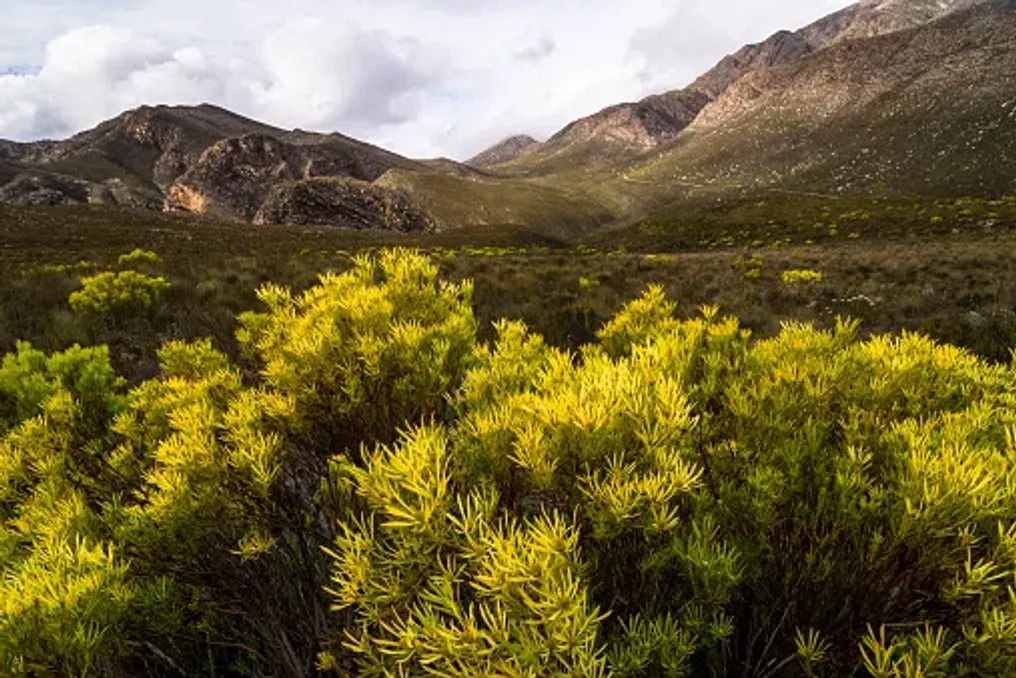
Nestled beneath the majestic Swartberg mountains, Prince Albert has earned a reputation as one of South Africa's most creative small towns. For decades, it has attracted artists, writers, and photographers drawn by the beauty of the light, the vast landscapes, and the unhurried lifestyle. Instead of rushing between attractions, visitors often spend time visiting galleries, working on shaded verandas, or watching the colors of the mountains change at sunset. The town also regularly hosts literary, musical, and artistic events, reinforcing its creative identity.