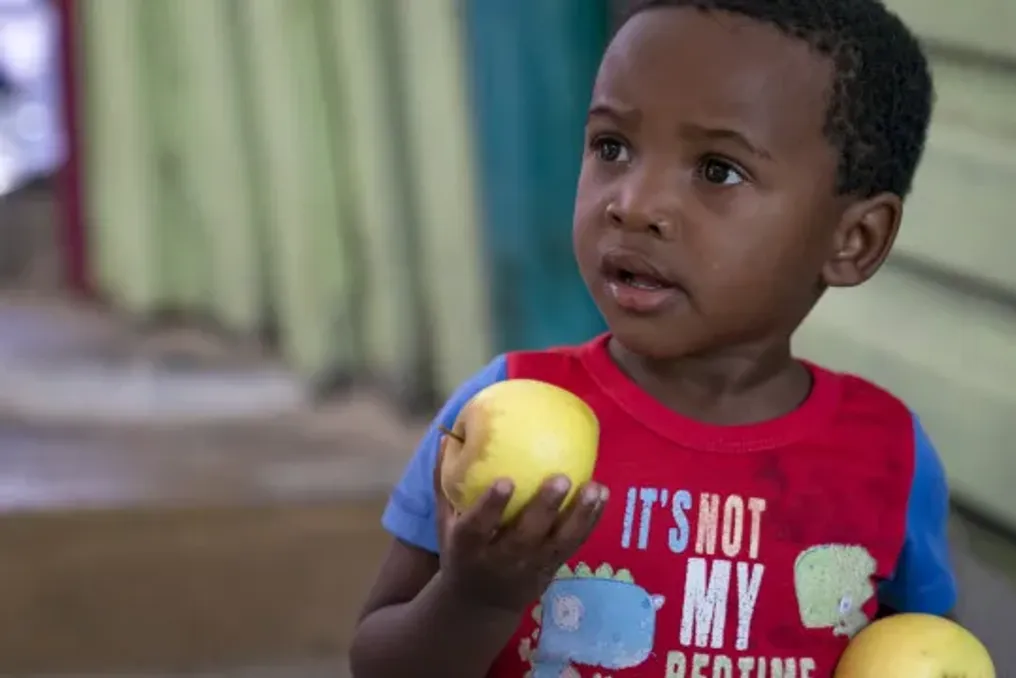
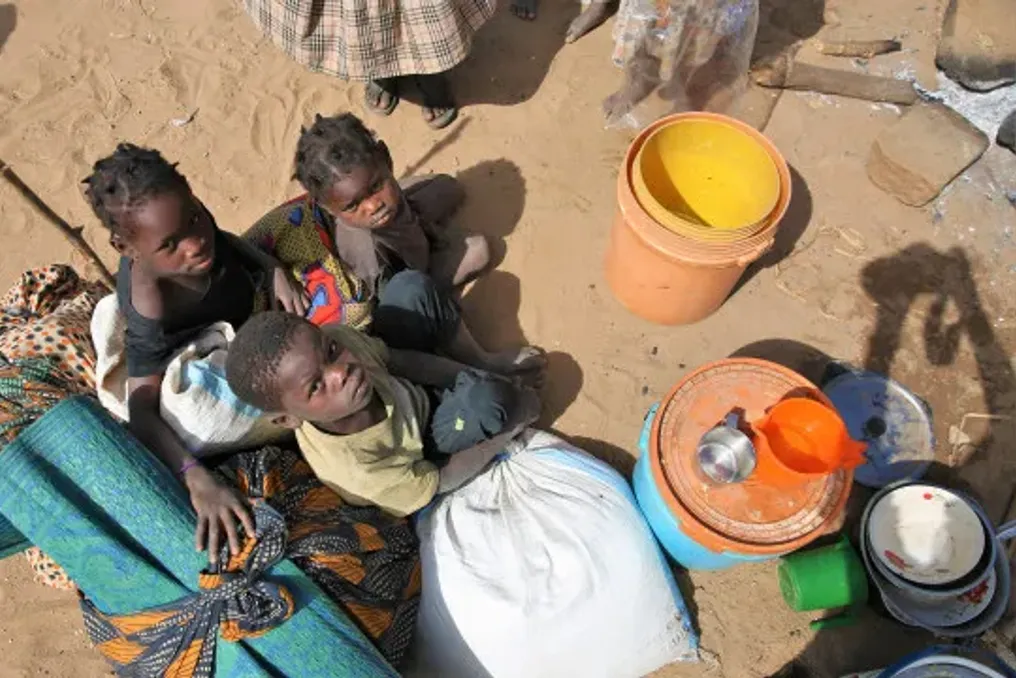
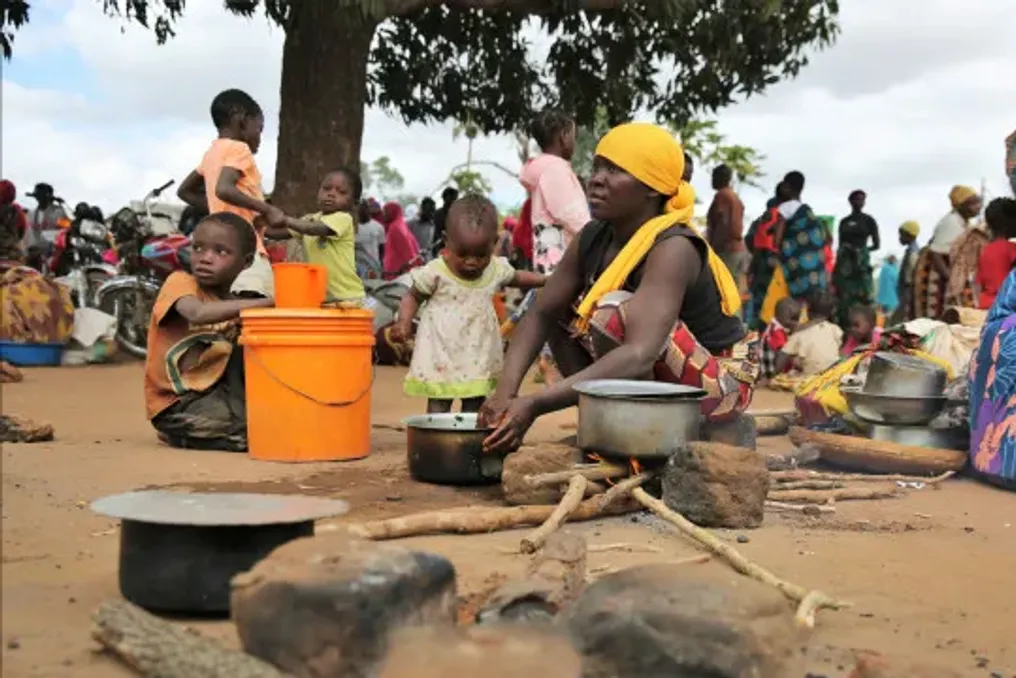
The 70th edition of the Food Security Monitor indicates that approximately 18% of Mozambique's population is in a food insecurity situation classified as Phase 3 or higher, according to the Integrated Food Security Classification (IPC).
Definition of Food Crisis
IPC Phase 3, termed 'Crisis', describes scenarios where families face great difficulty accessing food or can only meet their basic needs using methods that harm their future livelihood capacity.
Regional Report and Analysis
This report was prepared by the Alliance for a Green Revolution in Africa (AGRA), an African entity that collaborates with governments, research centers, the private sector, and development partners to increase agricultural productivity, improve food systems, and strengthen food security on the continent.
Of the 14 Southern African countries examined in the document, Mozambique ranks fifth with the largest absolute number of people in acute food insecurity, trailing Nigeria, South Sudan, Kenya, and Malawi.
Contrasts and Vulnerabilities in Mozambique
AGRA points out that the food situation in Mozambique exhibits strong regional disparities. Although certain areas in the center and south have benefited from the recovery of agricultural production, increased seasonal income, and better harvests, regions affected by armed violence in Cabo Delgado and parts of northern Nampula persist in levels of food crisis.
The document highlights that insecurity, population displacement, and the interruption of livelihoods continue to restrict regular access to food in these northern provinces, even during the current agricultural season.
The organization adds that the most vulnerable households are subject to the combined effects of conflict, extreme weather events, and increasing dependence on markets for food purchases.
Economic and Climate Impact
Food item prices are also under pressure. The report reports that Mozambique registered an annual increase of 51.2% in the price of maize, one of the highest in the region. The price of beans rose by 5.8% compared to previous periods, which, according to the authors, reflects supply restrictions and isolated problems in agricultural markets.
AGRA also warns about the sharp increase in fertilizer costs in the country. Urea prices grew by 93.8% compared to the previous year, while NPK fertilizers showed an annual increase of 56.5%, raising production costs for farmers.
Additionally, the report mentions that Mozambique is among the African countries most susceptible to the projected impacts of the El Niño climate phenomenon, whose duration is expected until the end of 2026 and early 2027.
Projections indicate risks of reduced rainfall in certain locations, above-average temperature increases, loss of agricultural income, and greater fragility of rural communities dependent on subsistence farming. AGRA assesses that the improvements observed in some Mozambican regions during the current harvest may be temporary if the climate instability scenarios projected for the next agricultural season materialize.
Conflict in Cabo Delgado
The province of Cabo Delgado, known for its natural gas wealth, has faced an armed insurgency since October 2017. The organization Project Data on Location and Armed Conflict Events (Acled) counted 11 violent incidents in the first two weeks of June in Cabo Delgado, all involving Islamic State-linked extremists, resulting in eight deaths, bringing the total victims since 2017 to 6,632.
According to the latest Acled report, covering the period from June 1st to 14th, out of 2,408 violent events recorded since the start of the insurgency in Cabo Delgado in October 2017, 2,224 involved members associated with the Islamic State Mozambique.