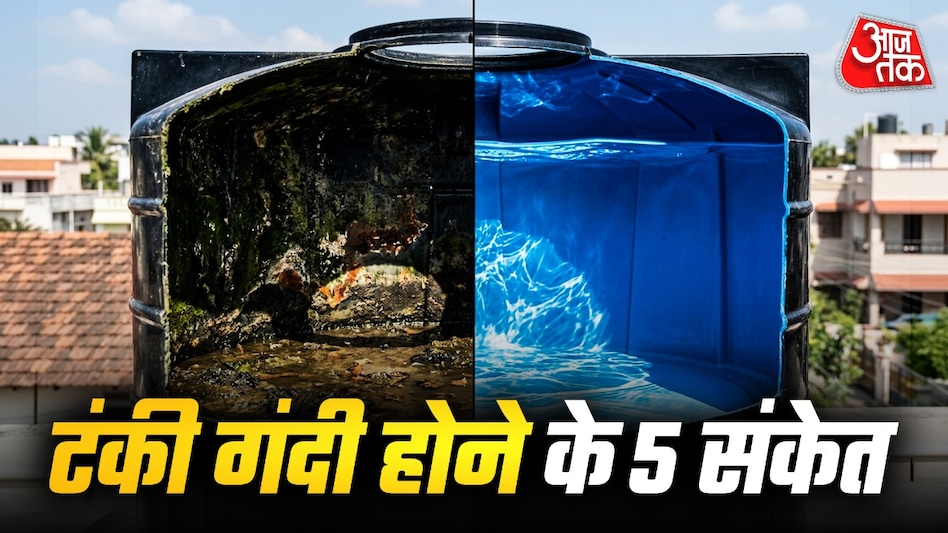
Water is a vital element, and its purity requires special attention. The water tower in a house plays a key role in daily life, as we use it to wash dishes, vegetables, take showers, and perform other household chores. However, many people do not clean the tower for years. Over time, dirt, moss, rust, and bacteria accumulate inside the tank. Even water that looks clean can be dangerous to health and lead to serious illnesses.
The Importance of Regular Cleaning
To ensure that the water supplied to the house always remains clean and safe, it is crucial to periodically clean the tank. This not only protects the health of family members but also ensures the long and uninterrupted operation of pipelines and plumbing equipment. Often, the problem arises that people do not know exactly when such cleaning should be performed and leave the tank in this condition for a long time.
Signs of Tank Contamination
There are five clear signs that indicate the need for immediate deep cleaning of the tank:
- Change in taste or smell of water: If the tap water seems unfamiliar or has an unpleasant odor, it may indicate contamination of the tank. Clean water should have neither taste nor smell.
- Visibility of debris or color in water: If the water in a glass becomes cloudy, has a earthy tint, or contains small particles while filling it, it is time to clean the tank. This can be caused by the accumulation of rust, dust, or moss.
- Decrease in water pressure from the tap: If the flow of water from the tap or shower has become weaker compared to before, it is possible that dirt in the tank is causing pipe blockages.
- Appearance of green moss on the tank walls: Green growths or moss inside the tank should not be ignored, as they can promote the proliferation of bacteria and other harmful microorganisms.
- Frequent pipe clogging problems: If pipes in the house regularly clog or require frequent calls to a plumber, a dirty water tower can also be the cause.
Benefits of Timely Hygiene
Regular cleaning of the water tower guarantees the cleanliness and safety of the water. This prevents the development of bacteria and moss, reduces the risk of pipeline blockages, and also improves the performance of devices such as water purifiers, water heaters, and washing machines. Most importantly, it reduces the threat of diseases associated with consuming contaminated water.
How to Clean the Tank
It is recommended to clean the water tower installed on the roof of the house approximately every six months. Although light surface cleaning can be done between these periods, complete draining, internal, and external cleaning is necessary every half year. This allows for the removal of dust and dirt, as well as the elimination of insects.
Five Simple Steps for Self-Cleaning
The cleaning process includes the following stages:
- Draining the water: The pump must be turned off, and the tank must be completely emptied using a drain tube or bucket.
- Mechanical cleaning: Thoroughly clean the inner walls and bottom of the tank from moss and dirt using a long brush.
- Waste removal: Use a sponge or mug to completely remove the loosened dirt and dirty water.
- Disinfection: Apply a solution made from bleaching powder or vinegar to the walls and leave it for 20 minutes.
- Rinsing and refilling: Rinse the tank thoroughly with clean water, discarding the dirty water. After drying, fill it with fresh water.