Russia is introducing temporary restrictions on the import of products from five Uzbek exporters who most frequently violated phytosanitary requirements. These restrictions will begin on July 23rd.
Russia is introducing temporary restrictions on the import of products from five Uzbek exporters who most frequently violated phytosanitary requirements. These restrictions will begin on July 23rd.
According to the press service of the Federal Service for Veterinary and Phytosanitary Surveillance of Russia (Rosselkhoznadzor), the import of goods from the specified five Uzbek exporters, which are under quarantine control, will be temporarily limited starting July 23rd.
These companies previously supplied various plant products to Russia, including white onions, flowers, cabbage heads, dill (shivit), parsley, grapes, cucumbers, tomatoes, and other types of agricultural products.
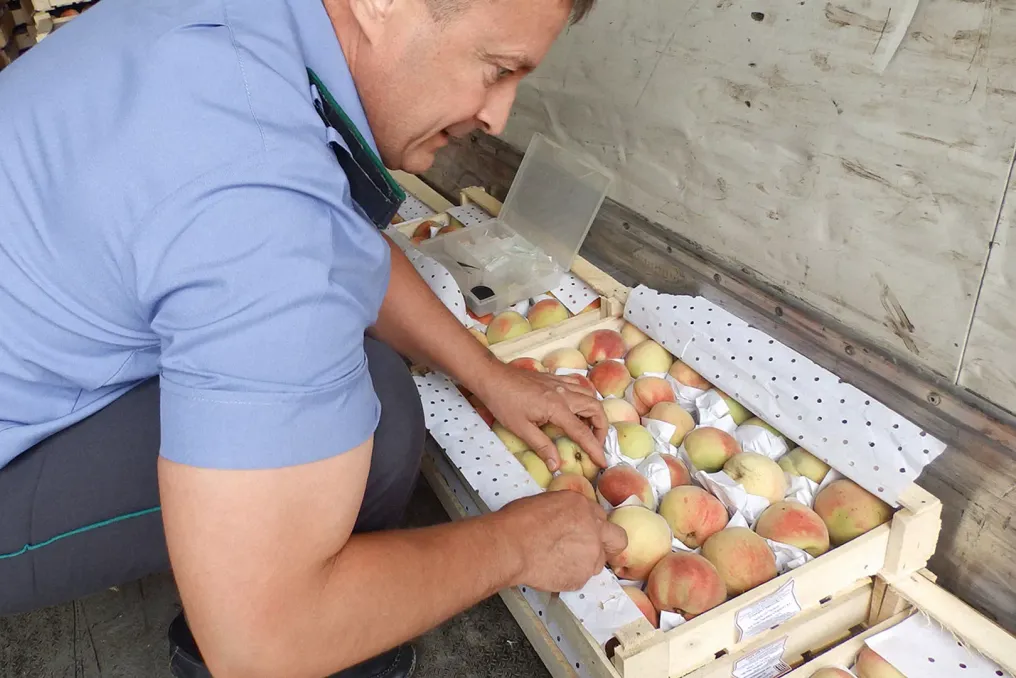
Rosselkhoznadzor explained the introduction of restrictions by citing an increase in the number of cases where harmful quarantine organisms were detected in products arriving from Uzbekistan. According to Rosselkhoznadzor data, 132 cases of quarantine object detection have been registered in goods sent from Uzbekistan since the beginning of 2026.
Among the identified problems are tomato brown necrosis virus, South American mite, western flower thrips, and cucumber root necrosis yellowing virus. It is important to note that this restriction does not apply to all fruits and vegetables imported from Uzbekistan, but only to the products of the five exporters whose violations were recorded most often.
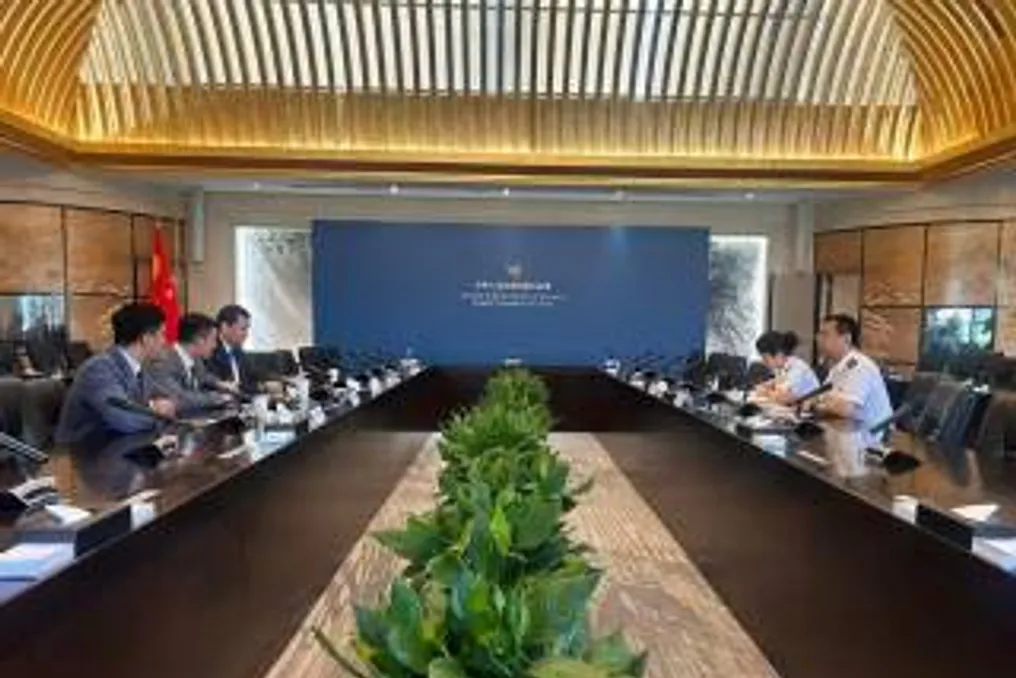
Representatives of the Emirate of the Republic of Uzbekistan in the People's Republic of China, along with staff from the General Administration of Customs of China (GACC) and representatives of the Quarantine Service, held a working meeting. The goal of the meeting was to discuss issues of deepening trade and economic partnership between the two countries, simplifying export procedures, and creating favorable conditions for entrepreneurs.
During the meeting, topics such as support for local exporters, accelerating the legalization processes for exported goods, reducing the timelines for customs and phytosanitary/quarantine certification, as well as issues of exporter registration and inclusion in relevant registries, were discussed.
The parties detailed practical difficulties arising when exporting products from Uzbekistan to the Chinese market and agreed on developing mechanisms for their prompt resolution. The importance of establishing direct working contacts between the authorized bodies of both countries for quick resolution of emerging issues was emphasized.
Uzbekistan proposed establishing regular information exchange in the areas of quarantine requirements, phytosanitary supervision, food safety, import-export rules, and non-tariff regulation. This mechanism is intended to strengthen practical cooperation, ensure rapid coordination of issues in the export process, and reduce time and financial costs for entrepreneurs.
China supported this initiative and expressed readiness to continue cooperation on a permanent basis. Furthermore, an agreement was reached to forward the issues raised at the meeting to the relevant departments of the General Administration of Customs of China, as well as to hold subsequent negotiations in an expanded format for the further development of mutual practical interaction.
Following the meeting, it was decided to maintain regular contacts to stimulate exports, expand cooperation in customs and quarantine spheres, and strengthen trade and economic ties between Uzbekistan and China. Such practical dialogues play a key role in the prompt resolution of exporters' problems, simplifying the process of bringing products to external markets, and increasing Uzbekistan's export potential in the Chinese market.