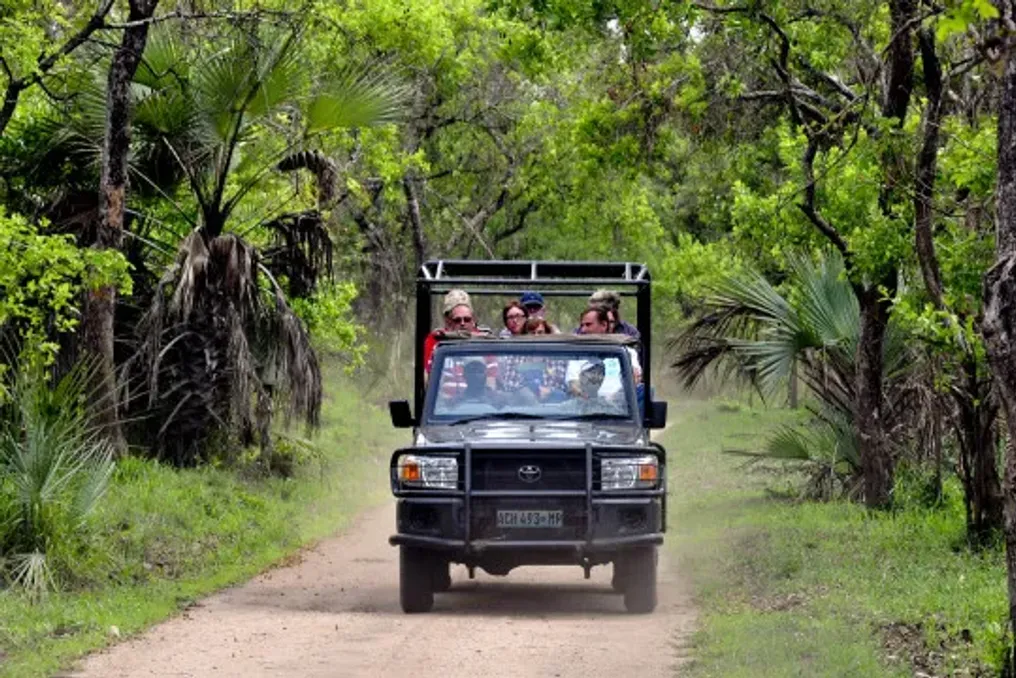
The production of chili is being promoted by Gorongosa Park as a reliable way to generate income for rural families, serving as a complement to existing food crops and diversifying livelihoods, according to data from the project consulted by Lusa.
The production of chili is being promoted by Gorongosa Park as a reliable way to generate income for rural families, serving as a complement to existing food crops and diversifying livelihoods, according to data from the project consulted by Lusa.
This project covers 245 producers of this crop, distributed across 45 communities located in the districts of Gorongosa, Nhamatanda, Muanza, Cheringoma, and Maríngue, all situated in Sofala province, in the center of the country. The total area dedicated to cultivation amounts to 28 hectares.
Farmers benefit from access to certified seeds, technical support, irrigation systems, and market guarantees, which results in increased productivity, reduced economic risks, and strengthened financial stability for their families. Since January, the production of the crop has reached 5.1 tons of chili. By 2025, project participants have already received a total of $7,510 (equivalent to 6,568 euros) from the sale of six tons of fresh chili.
Currently, the initiative works with two specific varieties of the crop: 'Olho-de-pássaro' and 'Cayenne longa'. In addition to providing inputs and assistance, the project aims to establish a sustainable and inclusive value chain for Gorongosa chili, generating rural income while supporting biodiversity conservation.
A crucial aspect highlighted by the park is the use of chili as a tool to alleviate conflicts between communities and elephants, a common challenge in areas adjacent to the park. Due to these animals' sensitivity to capsaicin, the compound responsible for the fruit's spicy flavor, the crop can be used as a natural barrier to deter elephants from entering planting fields. When integrated into protective strips around agricultural areas, the cultivation helps reduce crop losses, decrease friction between humans and wildlife, and foster peaceful coexistence between communities and fauna.
Additionally, the initiative encourages the implementation of regenerative agriculture practices, aiming to restore soil quality, preserve water, minimize erosion, and increase the capacity of rural communities to withstand climate change. The produced chili is marketed under the brand 'A Nossa Gorongosa', available in forms such as sweet sauce, hot sauce, and flakes, in the provincial capitals of the country. The project has also created five job openings at the local processing unit, filled by three women and two men.
Founded in 1960, the park suffered an almost total loss of its large fauna during the war periods. However, thanks to a 'bold vision of restoration' and 'translocation efforts', today more than 110,000 large animals inhabit Gorongosa National Park. Last year, the park recorded the presence of 110,513 'large' animals in an aerial survey, marking a historic record of species count in the central protected area of Mozambique. In 2008, Greg Carr, an American philanthropist, signed a 20-year management agreement with the Mozambican government, which was extended by another 25 years in 2018, resulting in renewals in various fronts, including social projects linked to conservation and the population growth of animals from 10,000 to over 100,000.
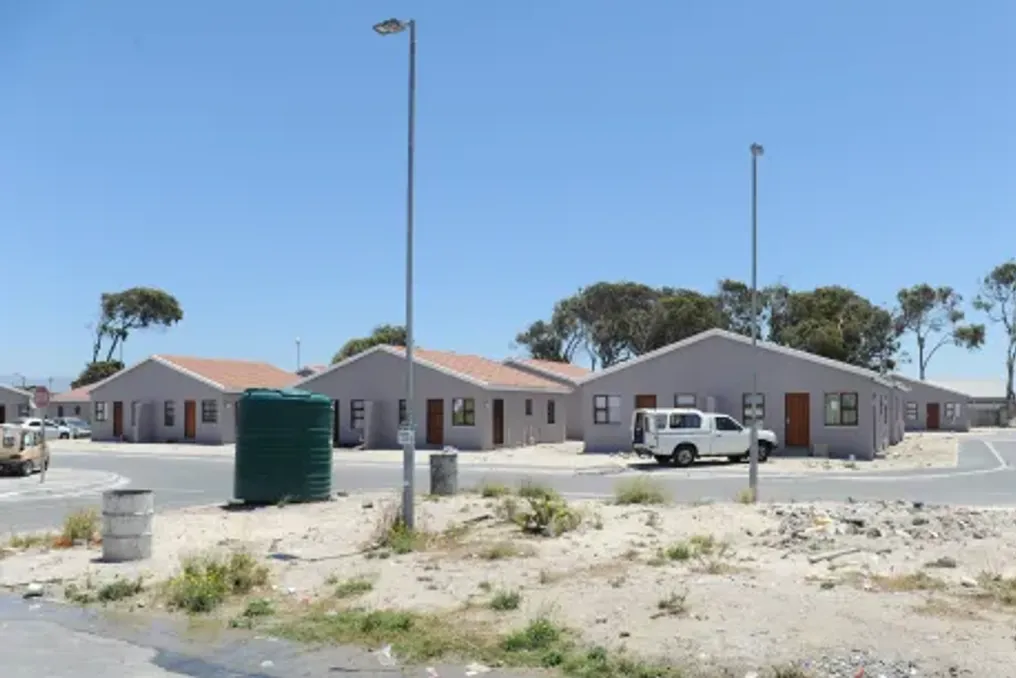
The Cape Town City Housing Directorate has issued a warning to residents, informing them about attempts to scam housing opportunities being spread through social media.
A member of the Majority Committee for Housing Settlements, advisor Carl Pohaim, stated that the city is aware of a fraudulent scheme circulating on WhatsApp and other social media platforms. Scammers falsely claim that residents can receive housing from the city by making some payment.
Pohaim emphasized that the city will never demand money to provide housing opportunities. He reminded residents that the city does not charge for housing opportunities, and no official process requires payment at any stage. He also noted that all legitimate communications regarding city housing opportunities will come directly from city officials through official and verifiable channels.
Residents are strongly advised to refrain from making any payments or sharing personal data with unknown individuals in communication networks and social media. Pohaim specifically stressed that the city's housing opportunities are completely free. He clarified that eligible residents will never be asked to pay for registration in the city's Housing Needs Register, allocation of these opportunities, or any related housing services.
If in doubt, residents should call the City Housing Settlements Contact Centre at 021 444 0333. Recipients must keep their housing registration up to date through official channels or city offices.
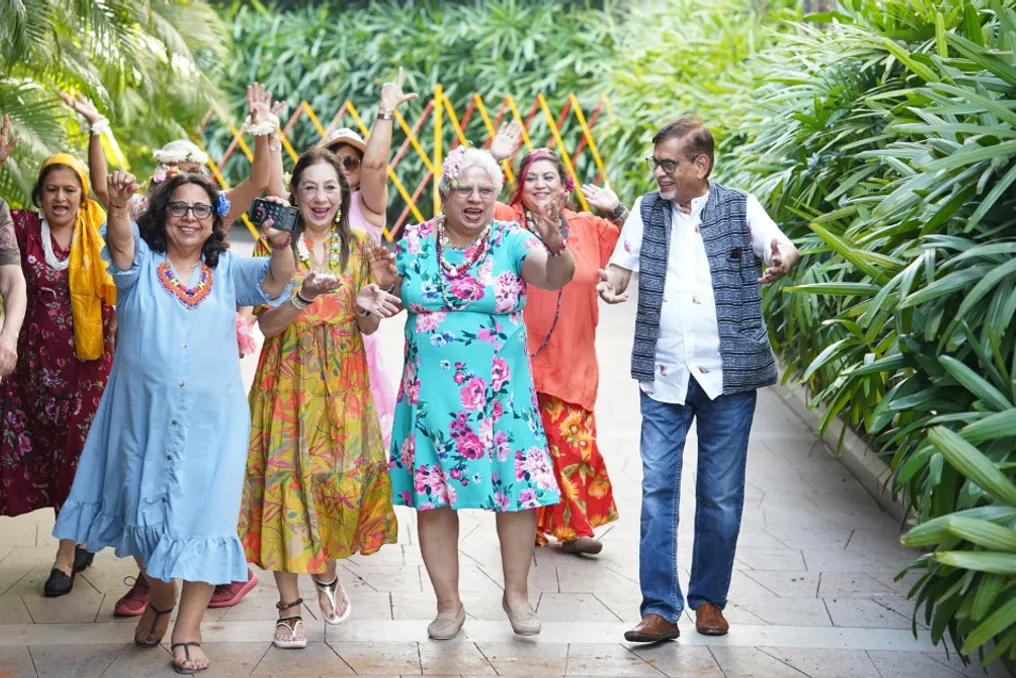
A 68-year-old woman, Rovina, shares her impressions of how her life gained new meaning after she started actively participating in trips and events. In one photo, she is pictured against the backdrop of a gleaming Dubai skyscraper, and in another, she is laughing with a group of women during a desert safari.
Rovina tells her children about travels, including long walks, dancing, shopping, and long conversations over breakfast. She notes that she used to think life slowed down with age, but now she feels like she has started living fully again. For her, this has become not just a vacation, but a process of self-discovery.
Rovina is not alone in her desire to start a new chapter after finishing her career. In cities such as Mumbai, Bengaluru, Delhi, Pune, and Chennai, hundreds of seniors are starting to attend yoga classes, participate in dance sessions, play pickleball with their spouses, travel with strangers who become companions, or simply find like-minded people who understand this stage of life.
Many of these transformative stories begin on the WalkAbout platform—a community focused on active people over 55. This platform was created to provide older adults with a space outside of home and family, motivating them to explore new interests, make friends, and maximize the life stage that is often defined by limitations rather than possibilities.
The idea for WalkAbout came from the personal observation of founder Deval Devalive. Previously working at Uber and living in the USA, he noticed significant differences in the perception of aging abroad compared to India. He noted that in countries like the USA, people in their seventies continue to drive, travel, work, and take up new hobbies, whereas in India, public opinion about aging has not changed, and they are often told what not to do instead of being asked what they want to experience.
Co-founder Ashwini Kapila drew inspiration from his own transition after 28 years in banking at institutions such as Merrill Lynch and Barclays. He stated that he decided to create something meaningful in his fifties. For him, active aging is closely linked to continuous learning, curiosity, travel, and constant interaction with people and events.
WalkAbout was founded on a simple yet powerful concept: older adults need spaces outside of home and family where they can continue to develop, socialize, and feel significant. The startup, previously operating under the name GetSetUp India, rebranded in January 2025 and now serves over 100,000 seniors across India.
The platform offers over 100 in-person events and more than 1000 digital experiences, including wellness programs, learning circles, cultural outings, and carefully curated tours. At its core is the concept of a 'third space'—a place where people can belong outside of work duties or home routines. Deval emphasizes that a sense of purpose does not always have to come from a salary, but people need routine, community, curiosity, and connection.
The platform uses a combination of app access, WhatsApp community management, and offline meetings, which facilitates participation even for those less confident with technology. Event costs start at approximately 500 rupees, while domestic and international trips start from 35,000 rupees, depending on the destination and format.
The founders note that much of the inspiration came during the COVID-19 pandemic, when seniors across India began turning to digital platforms for socializing, learning, and companionship. Deval explains that the lack was not in the desire, but in hesitation: people doubted whether they could teach yoga online or sing and dance again after many decades. They realized that people only needed a safe and encouraging environment.
Today, the WalkAbout community includes retired teachers trying stand-up comedy, former bankers studying pottery, grandparents attending fitness sessions together, and couples discovering shared hobbies after decades of putting others' needs first. The platform is essentially connected not so much to the activities themselves, but to identity formation.
The couple Meera and AP Ramana found in WalkAbout an opportunity to rediscover each other and share experiences they had long postponed due to work schedules and family obligations. After retirement, they had time but didn't know how to fill it. Through WalkAbout, they began planning events such as wellness classes, social gatherings, workshops, and pickleball games, allowing them to once again feel the joy of spending time together, comparable to the beginning of dating.
For Meera, one of the most significant shifts was emotional: she realized that loneliness can subtly creep into life at this age, and that community is immensely important. Today, their schedule is filled with experiences they previously thought were inaccessible due to age.
India is experiencing what experts call the 'Silver Dividend'—a rapidly growing population of seniors who are healthier, more active, and more ambitious than previous generations. Nevertheless, discussions about aging remain focused on dependency and decline. WalkAbout founders believe it is time to change this perspective. Deval argues that older people cannot be viewed as passive recipients of aid; they are experienced and capable individuals who want to continue contributing, learning, traveling, and building meaningful relationships.
For Rovina, the most important lesson was courage. She advises not to wait for life to come to you, but to step out of one's comfort zone, meet people, and try new things at any age, because she deserves happiness. Meera agrees, reminding that after dedicating so much time to caring for others, one must find time to care for oneself.
The problem of high youth unemployment persists in Somalia for nearly a decade. Among many stories from this country is a recent case: the conviction of a Somali healthcare worker residing in Birmingham, UK. She was charged with helping her sister enter Ireland using another person's Swedish passport.
The lawyer for 47-year-old Mona Mohamed Sharif argued that her actions were driven by compassion, not financial gain, as her sister was fleeing forced marriage in Somalia. However, Mona's and her sister's story, highlighted by the platform Somali Robert, raises a broader question: why has Somalia become a country that forces its youth to leave, even if the journey ends in imprisonment in Europe?
The platform notes that 75 percent of Somalia's population is under 35 years old. Nevertheless, what should have been a major national asset is increasingly becoming one of the most serious problems. Instead of serving as a source of national strength, this demographic group has turned into a generation of missed opportunities.
Youth unemployment in Somalia remains chronically high for almost a decade. The reason lies not only in the limited number of jobs but also in the growing mismatch between the qualifications young people receive and the skills required by the labor market.
Another challenge relates to higher education. Despite having over 100 universities in Somalia, many operate out of small apartments with limited academic resources and infrastructure. Insufficient investment in the education of the most numerous demographic group means that many young Somalis have no alternative but to participate in military activities.
The situation is exacerbated by extremist organizations operating across Somalia, including ISIS, Al-Qaeda, and Al-Shabaab, who continue to present themselves as an alternative to vulnerable youth. While the efforts of terrorist groups to recruit young Somalis are widely acknowledged, there are also concerns about accusations that the federal government exploits youth poverty by recruiting and sending young Somalis as labor for regional conflicts.
Reports indicate that Saudi Arabia supports a so-called 'shadow army' on Somali territory, consisting of thousands of recruits, aimed at advancing strategic interests in the Red Sea and Bab el-Mandeb to the detriment of Somalia's sovereignty and its young generation.
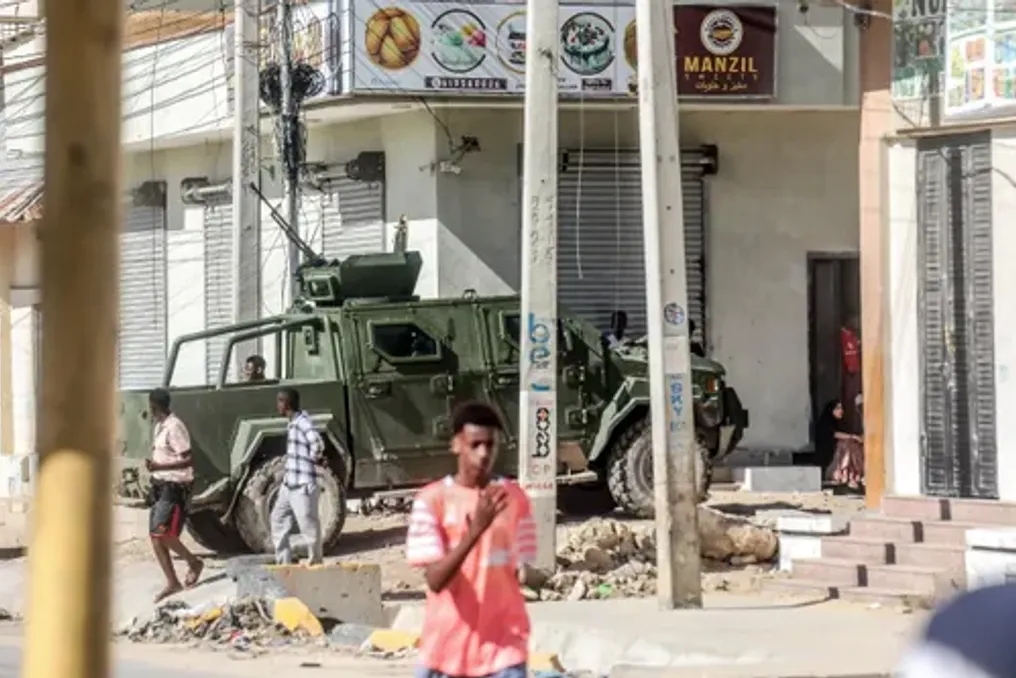
Reports of Saudi Arabian military activity in Somalia have intensified these concerns. According to Somalia Today, a Saudi military delegation visited two training camps in the Guri-Chil area of Galmudug at the end of June. There, it is reported, over 5,000 young Somali recruits are undergoing military training as part of a Saudi-funded program, highlighting Riyadh's expanding role in the Horn of Africa region.
The report states that 5,107 recruits are participating in the program, undergoing a nine-month course covering basic military skills, operational procedures, and combat training. Approximately 2,000 recruits were taken from Puntland in northeastern Somalia, and the rest from other parts of the country. The report also indicates that foreign mercenaries from Romania and Colombia are supervising the training.
Despite President Hassan Sheikh Mohamud stepping down in April stating that his government would cease sending newly recruited Somali personnel abroad for initial military training and instead expand domestic military education, concerns remain. There is a possibility that recruits from these camps could be transferred to Port Sudan to fight on behalf of the Sudanese army and its allies from the Muslim Brotherhood, an organization designated as a terrorist group by several Western, African, and Asian countries.
These events once again focus attention on the conditions faced by Somalia's youth. In a country at a critical crossroads—facing drought, internal conflicts, and economic difficulties that exceed the capacity of many young people and their families to cope with—the central question remains open: will Hassan Sheikh Mohamud's administration continue to rely on the poverty of young Somalis as a source of recruits for regional conflicts, or will it support the constitutional process, move towards opening the path to political settlement with the opposition, restoring the nation's course, and implementing an economic concept capable of utilizing youth potential while reducing migration pressure?