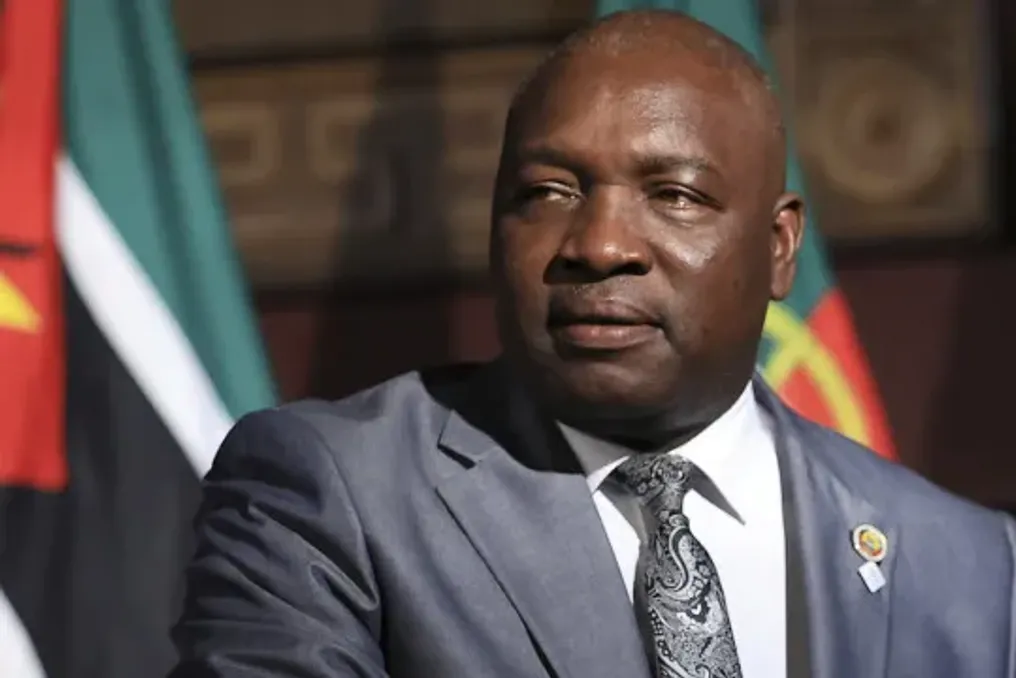
The Minister of Justice, Constitutional and Religious Affairs of Mozambique, Mateus Sizze, stated that transitional justice is not limited to analyzing the past but serves as a tool for building a future aimed at promoting truth, reconciliation, accountability, reparations for victims, and creating guarantees against the recurrence of violence and conflict.
Conference on the Future of Transitional Justice
The National Conference on the Future of Transitional Justice in Mozambique was organized by the Ministry of Justice, Constitutional and Religious Affairs, together with the Centre for Democracy and Human Rights (CDD), with support from the Embassy of the Kingdom of Norway, the Embassy of Switzerland, and the Transformative Peace Program in Africa from the Open Society Foundation. The event gathered judges, lawyers, academics, students, civil society representatives, and diplomats to discuss mechanisms for strengthening peace and institutions.
Goals of Transitional Justice
Transitional justice is a set of measures used to respond to serious human rights violations, armed conflicts, political violence, or periods of repression, with the aim of ensuring peace, reconciliation, and preventing similar events from happening again. Mateus Sizze added that the true goal of this approach is to strengthen democratic institutions, increase public trust, and foster a culture of respect for human rights, legality, and dialogue, creating conditions for a more unified, just, and inclusive life for future generations.
Officials' Stance on Peace
Minister of Internal Affairs Paulo Chichine emphasized that the country's history of conflicts, including events after the general elections that resulted in the deaths of over 400 people and significant destruction, demonstrates that peace requires a constant commitment to dialogue, inclusivity, legality, and institutional strengthening. He noted that this conference complements the National Inclusive Dialogue, and stated that peace cannot be viewed as a final victory, as it requires continuous work on dialogue, legality, inclusivity, and institutional reinforcement.
Chichine also pointed out that transitional justice can contribute to institutional reforms aimed at professionalizing state structures, increasing transparency, accountability, and strengthening trust between citizens and the state. He also supported the need for continuous investment in training security forces on human rights and democratic management of public order.
The Importance of Trust in Democracy
Executive Director of CDD Adriano Nuvunga insisted that trust is the foundation of democracy, warning that the weakening of institutions contributes to political polarization and increases the risk of new cycles of violence. He stated: 'There is no democracy without trust. There is no rule of law without trust. There is no sustainable development without trust (...) there is no trust without accountability.' Nuvunga added that transitional justice must promote the establishment of truth, memory preservation, reparations, and institutional reforms capable of stopping the recurrence of past abuses.
According to the organizers, the conference aims to develop recommendations to support state policy focused on conflict prevention, human rights protection, strengthening the rule of law, and consolidating democratic governance, thereby contributing to long-term peace and strengthening trust in institutions.