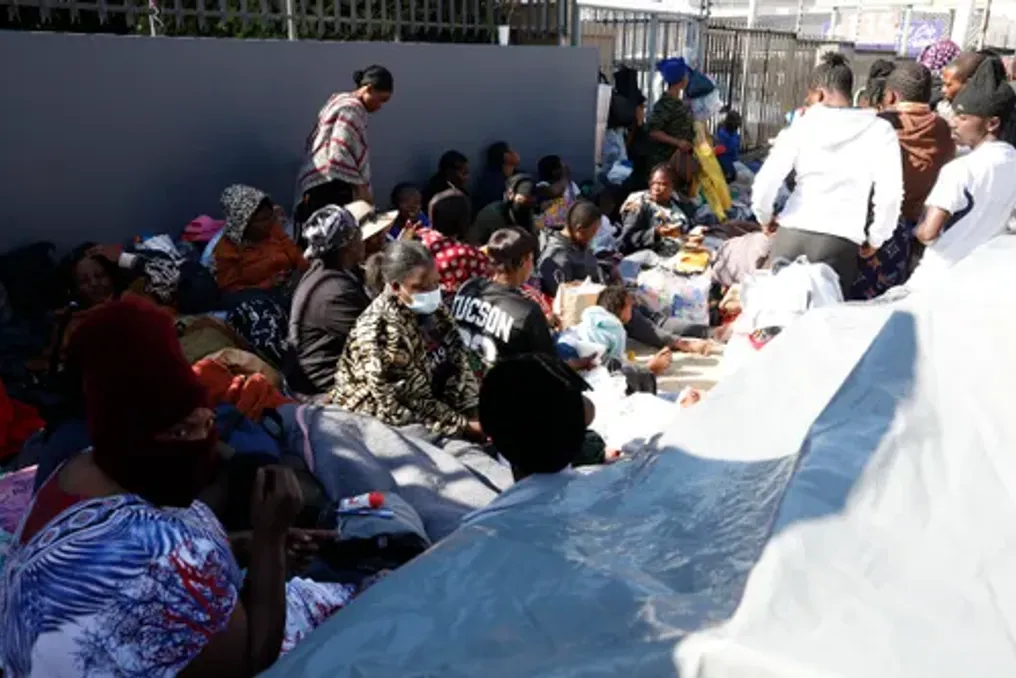
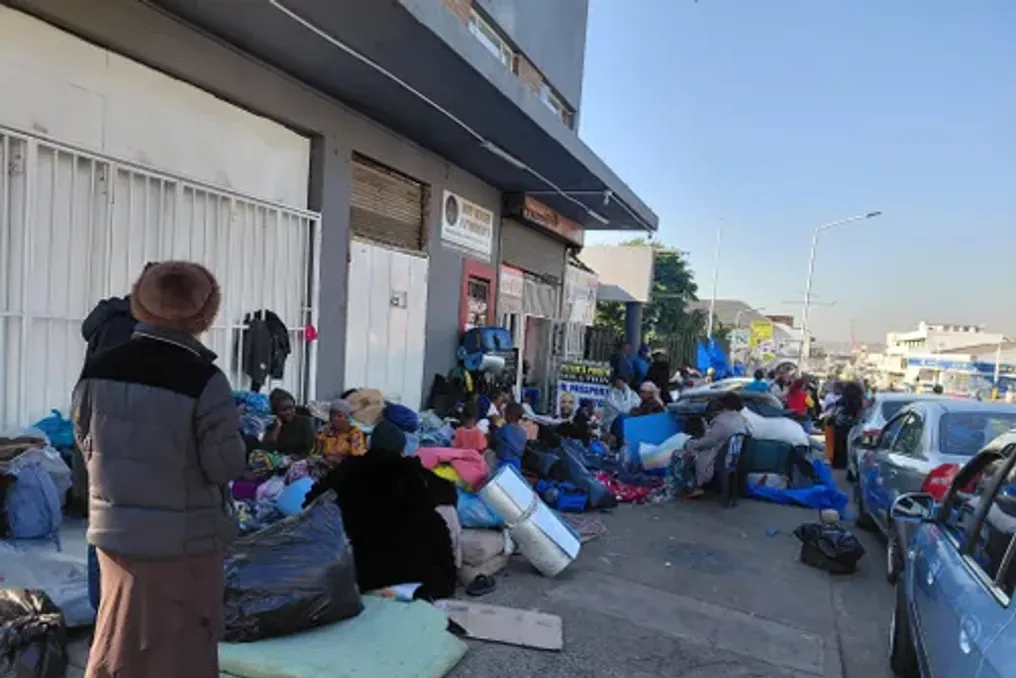
According to the organization Kopanang Africa Against Xenophobia (KAAX), the accelerated processing of thousands of displaced migrants through the Musina temporary repatriation processing center and the Beitbridge border post in South Africa has not ended the humanitarian crisis.
Humanitarian Concerns and Government Plan
KAAX stated that events following the alleged illegal 'deadline' of June 30, promoted by anti-immigrant groups, have triggered a public health emergency. People were forced to leave their homes due to threats or violence.
Nevertheless, the government defends its migration management strategy, asserting that it aims to create an orderly immigration system while simultaneously protecting the rights and dignity of all South African residents.
Strategy and Constitutional Obligations
The Minister of Justice and Chairperson of the Interdepartmental Committee (IMC), Mmamoloko Kubayi, provided media with information on the implementation of President Cyril Ramaphosa's five-point migration management plan, first announced on June 7. This strategy includes ensuring compliance with immigration laws, securing South Africa's borders, optimizing the immigration system, addressing policy gaps, and strengthening cooperation with neighboring countries.
Kubayi emphasized that the government's approach seeks to balance public concerns about migration with constitutional obligations. She stated: 'In implementing this plan, we strive to achieve orderly and regular migration that takes into account and is sensitive to the issues raised by our people, while upholding human rights and the dignity of all people in our country, regardless of their citizenship or immigration status.'
Criticism of Migrant Processing Speed
KAAX countered that the effectiveness of the government's response should be judged not by the speed of processing or removal of people, but by whether their constitutional rights, dignity, and access to healthcare are protected throughout the entire process. The organization noted that many people who passed through Musina were legally documented migrants who had lived in South Africa for years, and their deportation will not solve the broader problems of the crisis.
KAAX insisted that the state is responsible for providing displaced persons with adequate housing, food, water, sanitation, and uninterrupted medical care. The organization also pointed to risks associated with processing centers, recalling the cholera outbreak in Musina in 2008, and noted that interrupting critical treatment, including antiretroviral therapy (ART) and tuberculosis treatment, has long-term consequences.
Activist Concerns and Violence
Pastor and activist Nigel Branken said that the situation has gone beyond simple migration management and raised serious concerns regarding the treatment of vulnerable communities. He expressed the view that the actions of volunteer groups, combined with alleged failures to prevent intimidation and forced displacement, require urgent attention.
Branken compared what was happening to an ethnic cleansing campaign conducted by volunteer groups, while the state risks becoming complicit by failing to stop illegal raids, intimidation, and forced displacement in an atmosphere of xenophobic hostility.
Statistics and Official Warnings
According to data presented at the IMC briefing, as of July 11, 53,449 foreign nationals had been processed for deportation or repatriation, about 80% of whom were from Malawi. The government also reported that over 20,000 people had passed through the Musina center, with up to 4,850 moved in a single day.
Kubayi stated that illegal actions by citizens targeting suspected undocumented migrants will not be tolerated. She warned that reports of searches of homes and businesses allegedly containing undocumented migrants are concerning, and reminded that such actions are illegal.
KAAX warned that the threat to migrants has not disappeared, as fear and instability continue to affect access to medical care. Branken also noted that the government's response to alleged intimidation and forced removals called into question accountability, labeling the state's reaction to reports of police inaction as a 'refusal' rather than 'restraint.'