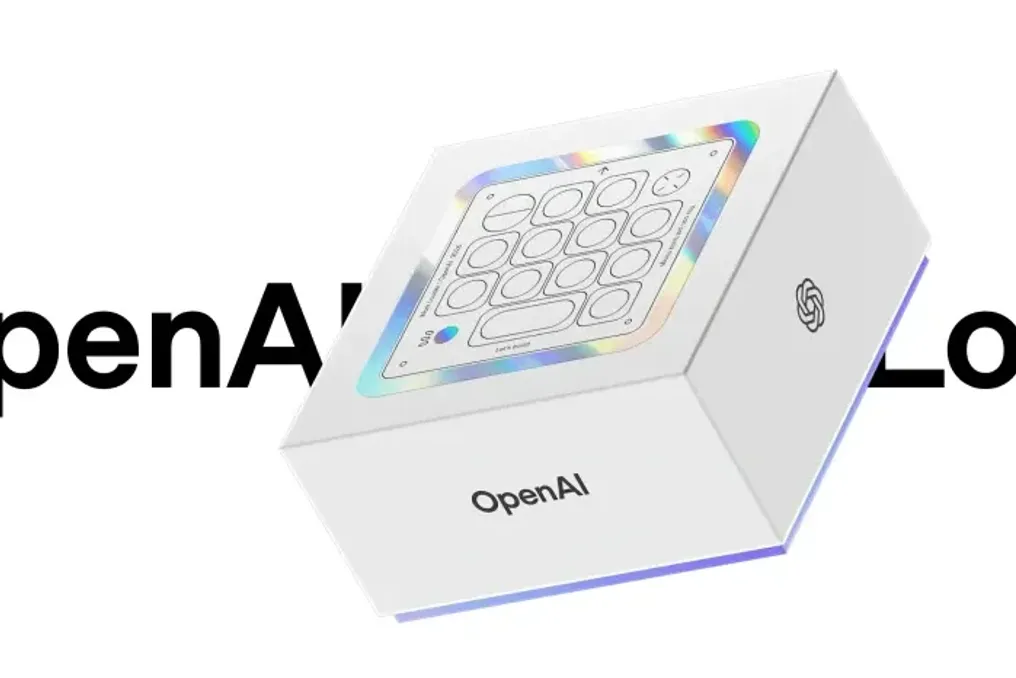
The Codex Micro keyboard, developed by OpenAI in collaboration with Work Louder, sold out of stock in just one day after its launch. This accessory was made available in a limited edition last Wednesday, July 15th, with an approximate price of R$ 1,200.
Codex Micro Features
This compact device, which resembles the partner's Creator Micro 2, is specifically designed for programmers. It incorporates 13 mechanical switches, a joystick, a rotary button, and a touch sensor. Additionally, users receive 32 extra customizable keys with Codex icons, allowing them to adapt the layout according to their preference.
The main innovation of the accessory lies in its ability to reduce the programmer's dependence on the main screen to interact with artificial intelligence. In a demonstration, Mike Di Genova, co-founder of Work Louder, explained that six matte keys have smart lighting to provide a real-time overview of interactions with Codex.
Feedback and Productivity Features
Each LED color indicates the status of a processed task, allowing the user to quickly identify whether code generation was successful, if the AI is awaiting human intervention, if the script is running, or if there was a system error. The other command keys are focused on increasing productivity and can be configured through the official ChatGPT desktop application, enabling shortcuts to activate the microphone, accept or reject code suggestions, and send text snippets.
The joystick and the knob are tools intended to initiate workflows and also to adjust the AI's reasoning level during more complex processes.
Future Projects and Controversies
It is important to note that the Codex Micro is a niche product and is not related to the hardware project led by Jony Ive, former chief designer at Apple. Rumors suggest that the company's next initiative, under the leadership of Sam Altman, may be a smart speaker capable of conversing and simulating life, with a projected launch next year.
This future gadget is already involved in a legal dispute. Apple has filed a lawsuit against OpenAI, alleging theft of industrial secrets. The company accuses Sam Altman's firm of using confidential information to accelerate its potential entry into the physical device market, although OpenAI has refuted these allegations, classifying them as unfounded.