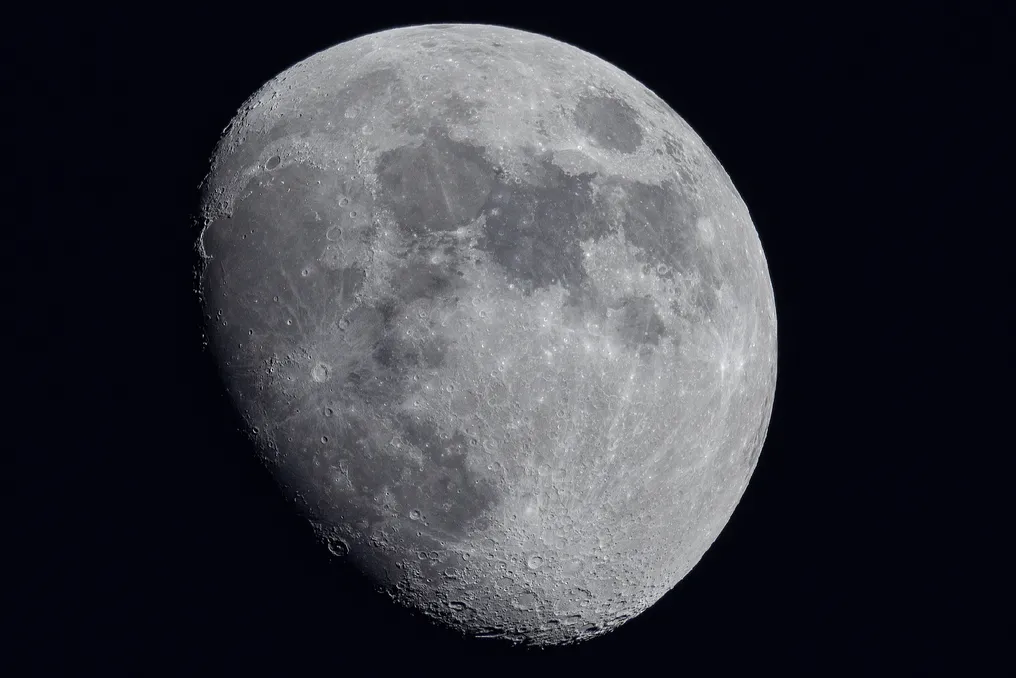
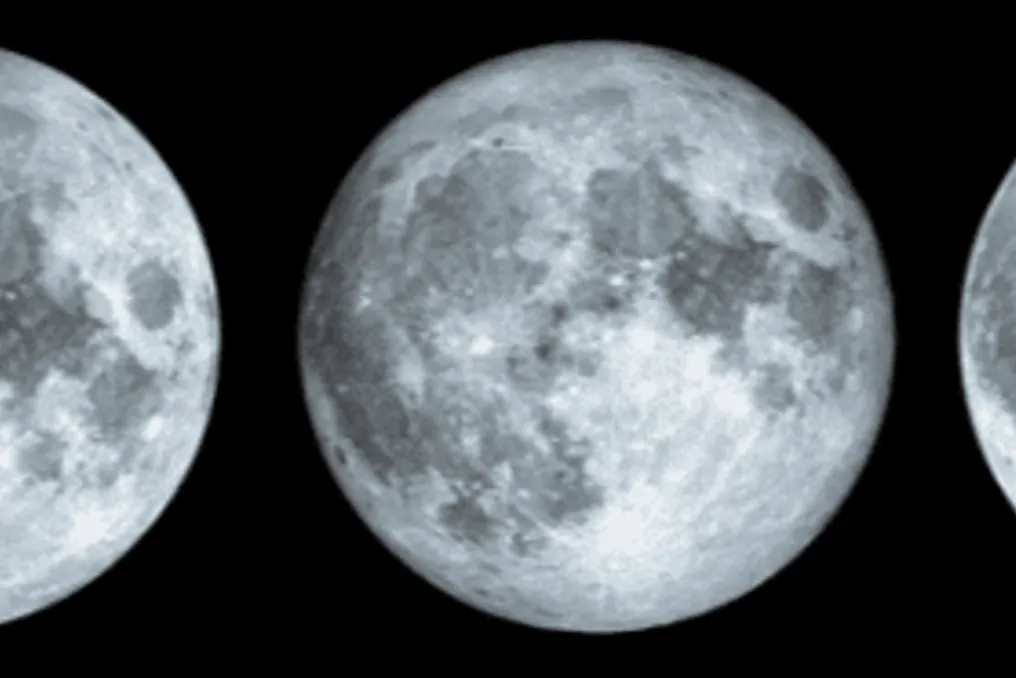
On July 12, 2026, the Moon will be in the waning phase, showing 4% visibility. The National Institute of Meteorology (Inmet) has made available the complete calendar of lunar phases for the month.
Lunar Cycle in July 2026
The lunar phases for July 2026 began on the 7th with the Waning Moon, recorded at 4:30 PM Brasília time. Subsequently, the New Moon will occur on the 14th at 6:45 AM. The Waxing Moon will appear on the 21st at 8:05 AM, and the Full Moon will be seen on the 29th at 11:37 AM.
Understanding the Lunar Cycle
A lunar cycle, also known as lunation, is the time interval between two new moons and has an average duration of 29.5 days. During this period, the Moon passes through four main phases: new, waxing, full, and waning, with each phase lasting approximately seven days. In addition to these main phases, there are so-called 'interphases,' such as the waxing quarter and the gibbous waxing (between new and full), and the gibbous waning and the waning quarter (between full and waning).
Details of Each Phase
In the New Moon phase, the satellite is positioned between the Earth and the Sun. Consequently, the illuminated side faces the Sun, while the dark side faces us, making the Moon invisible in the night sky. This phase signals the beginning of a new lunar cycle and is associated with renewal and new opportunities.
After the New Moon, the Waxing phase begins. Slowly, a small illuminated band appears in the sky, progressively increasing each night. Initially, only a thin arc of light is observed, but this illuminated area grows until half of the Moon is visible, a moment called the Waxing Quarter. This phase represents development, growth, and the building of new paths.
The Full Moon occurs when the Earth is located between the Sun and the Moon. This allows the entire lunar face facing us to receive complete illumination, making it completely bright and visible in the sky. This is the period of maximum luminous intensity, occurring when the Moon rises on the horizon simultaneously with sunset. The Full Moon is associated with fullness, the peak of processes, and energy at its maximum point.
Finally, after the Full Moon, the Moon's luminosity begins to gradually decline. Each night, the illuminated portion decreases. When half of the Moon is visible, the Waning Quarter occurs, which is the opposite of the Waxing Quarter. The Moon continues to lose brightness until it returns to the New Moon, thus restarting the cycle. The Waning phase symbolizes reflection, closure, and preparation for future beginnings.
Current State of the Moon
Currently, the Moon is in the Waning phase.