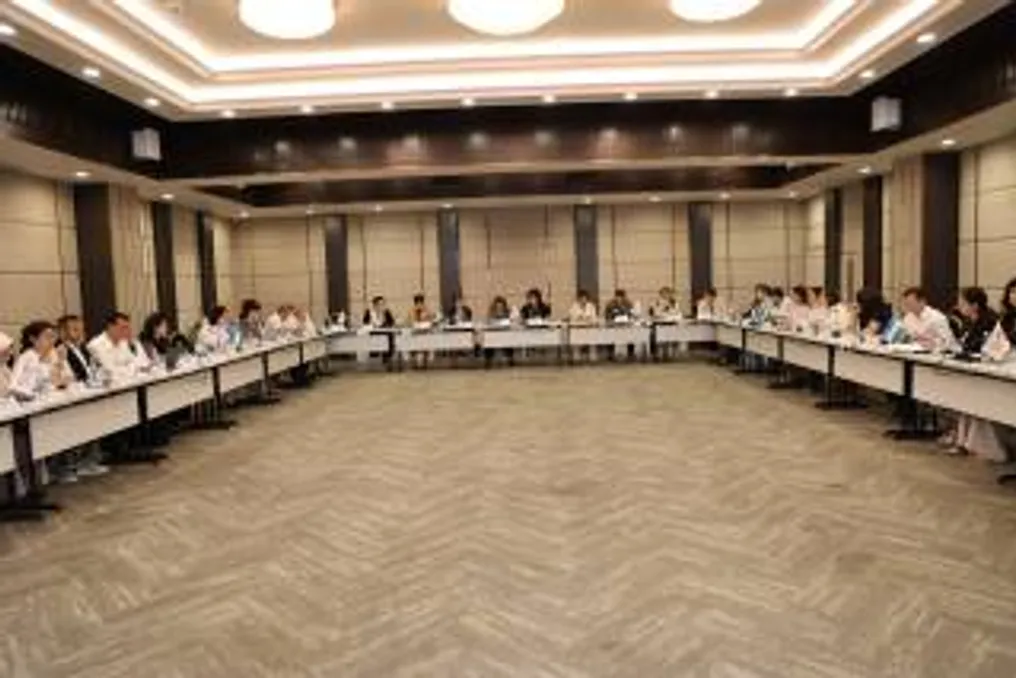
A working meeting was held in Tashkent to discuss the final draft of the document 'National Gender Equality Profile in Uzbekistan' (Country Gender Equality Profile — CGEP). This document is being developed by the Ministry of Family and Women of the Republic of Uzbekistan with the assistance of the United Nations Population Fund (UNFPA) and the UN entity on gender equality and women's rights (UN Women).
Goals and Content of the Profile
The main goal of the meeting was to accurately reflect the reforms, changes, and initiatives implemented in the country over the past years, update statistical data, and conduct a comprehensive analysis of the effectiveness of national efforts to ensure gender equality.
'National Gender Equality Profile' is a comprehensive analytical document at the national level. It summarizes quantitative and qualitative data on the participation of women and men in society, their rights and opportunities, socio-economic status, and outcomes in various fields. In addition to assessing achievements, the profile identifies areas requiring deeper reform. It is intended to serve as an important analytical source for evidence-based policy development, strengthening cooperation at national and regional levels, and interdepartmental coordination.
Data Collection Methodology
Official statistical data, scientific and analytical studies, as well as national and international reports were used in preparing the profile. Furthermore, primary data obtained from surveys, interviews, and focus group discussions were applied. The data was analyzed taking into account criteria such as gender, age, place of residence, socio-economic status, disability, and others.
Achievements in Gender Equality
During the discussion, it was noted that over the last decade, a stable political will has been formed in Uzbekistan to ensure gender equality, and legislative and institutional mechanisms have undergone deep modernization. Constitutional guarantees for the protection of women's rights and interests have been expanded, administrative and criminal liability for domestic violence has been established, and the infrastructure for gender statistics has been developed.
Significant results have been achieved in expanding educational opportunities, protecting maternal health, and increasing the political and social activity of women. In particular, it is noted that the share of women in parliament has reached 38 percent, the gender statistics portal provides data on more than 217 indicators, and Uzbekistan is recognized as one of the world's leading countries in open gender data.
Areas for Further Reform
The document also outlines current issues that require attention in the next stage of reforms. These include ensuring the full and uniform implementation of adopted progressive laws locally, strengthening protection and justice mechanisms for victims of coercion and violence, and expanding women's participation in the labor market. Measures are proposed to reduce the gender gap in professional fields, increase access to decent jobs, lower the wage gap, alleviate the burden of unpaid domestic and care work, and further expand women's participation in economic and political decision-making processes.
Conclusion and Prospects
During the working meeting, proposals and recommendations were put forward regarding the improvement of relevant aspects of the document by ministries and agencies, as well as the inclusion of the latest statistical data by sector and a fuller reflection of implemented reforms and their practical results. Following the discussion, it was decided to summarize the submitted proposals, further coordinate the data with relevant ministries and agencies, and improve the final version of the document.
This profile will contribute to the effective implementation of the 'Strategy for Achieving Gender Equality in the Republic of Uzbekistan by 2030', the development of scientifically sound state programs, and the strengthening of interdepartmental cooperation in ensuring gender equality. Ensuring gender equality is a crucial social issue, as it serves as a key condition for the country's long-term economic growth, human capital development, poverty reduction, improved family welfare, and strengthening social cohesion in society.