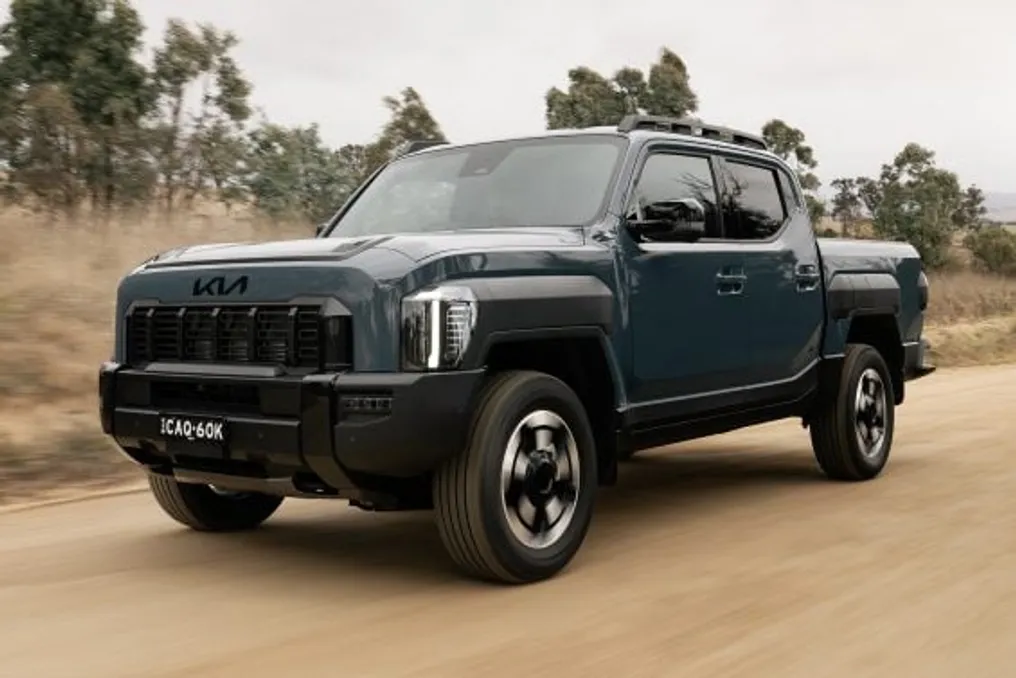
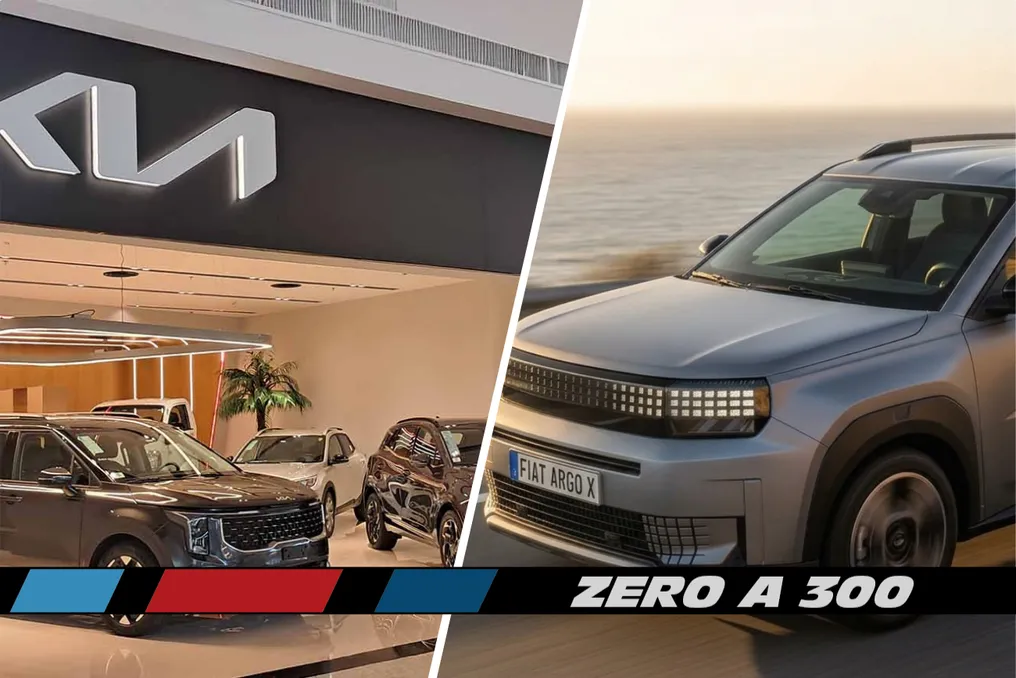
The history of Korean brands in Brazil is about to change significantly, as Kia Motors' headquarters negotiates with the Federal Government to assume direct control of its operations in the national territory. This move concludes a 34-year period during which representation was managed by the Gandini Group.
Negotiations and Future Investments
This transition goes beyond a simple administrative change; it involves forgiving a billion-dollar debt inherited from Asia Motors, Kia's former subsidiary, which had received federal incentives in the 90s to build a Topic and Towner factory that was never realized. In return, Kia's headquarters proposes a real productive investment, aiming to build a second industrial complex, possibly in Piracicaba/SP or Sorocaba/SP, with the potential to generate 5,000 direct jobs.
Kia's new structure, scheduled to operate starting in 2028 using the K3 modular architecture, is crucial for the group. It will allow not only the nationalization of Kia models but also unlock the production of new generations of Creta and i20, in addition to supporting the future development of pickups and compact cars in collaboration with General Motors. Currently, the Hyundai factory in Piracicaba is already operating at the limit of its annual capacity of 215,000 vehicles.
Reorganization of the Korean Market
Historically, Hyundai and Kia entered Brazil in the 90s as separate entities, with the Gandini Group responsible for Kia (with models like Besta and Sportage) and the CAOA Group for Hyundai. After Hyundai acquired Kia in the global market in 1998, Brazil maintained a fragmented structure, while operations were unified elsewhere in the world. In 2024, Hyundai began organizing this scenario by taking control of its sales and imports from CAOA, paving the way for complete unification under the headquarters.
Confirmation of Fiat Argo X
Additionally, Fiat officially confirmed that the Brazilian version of the Grande Panda will be named Argo X. Although the name suggests a link to the Fiat Argo, which has been on the market for almost ten years and is based on the Punto platform, the Argo X will use an entirely new platform called Smart Car, shared with other Stellantis vehicles, such as the Citroën C3 and Basalt, and the future Fiat Grizzly. The brand positions it as a hatchback with compact SUV characteristics.
Herlander Zola, Stellantis CEO in Latin America, justified the name choice, explaining that it aims to capitalize on the familiarity of the Brazilian public with the Argo, while the X suffix reinforces the 'mini-SUV' image. Zola also mentioned that this strategy helps reverse the perception that Fiat quickly discontinues its vehicles, which could affect resale value. By naming the new model Argo X, Stellantis protects the resale value of the current Argo and establishes the model as part of a product family.
Despite popular desire for a name like Uno, Fiat opted for Argo X because it believes associating the new vehicle with the popular Brazilian car could harm the brand's image, positioning the Argo X one step above the Argo, which will serve as the entry-level model.
International Automotive News
On another front, Ford Racing revealed the first sound of the Coyote V8 engine that will be used in its Hypercar/LMDh for Endurance competitions, such as the 24 Hours of Le Mans and WEC, starting in 2027. Unlike the EcoBoost 3.5 V6 biturbo used in the Ford GT, Ford developed a naturally aspirated 5.4 V8, derived from the Mustang's Coyote, optimized for the rigor of endurance races. The engine was developed in Michigan, USA, and according to Dan Sayers, the choice of the naturally aspirated engine aims to simplify the setup, minimizing failure risks.
Testing of this prototype will begin at various European circuits next month, preparing it to compete alongside major names such as Ferrari, Toyota, Porsche, and Cadillac. Meanwhile, the McLaren F1 GTR belonging to Pink Floyd drummer Nick Mason will be auctioned by RM Sotheby’s in August in California during Monterey Car Week. The car is estimated to sell for over US$ 35 million, which would make it the most expensive McLaren F1 in history. Finally, Chevrolet launched the S10 Trailboss in Argentina, an off-road version with raised suspension and Pirelli Scorpion All Terrain tires, and there are expectations that it will arrive in Brazil soon.