A report issued by the independent international organization ACAPS, which specializes in analyzing humanitarian crises and supporting decision-making in the humanitarian aid sector, classifies the current El Niño conditions as extremely strong and the most intense recorded since 1950.
Humanitarian Risk in Mozambique and Other Regions
The document points to Mozambique as one of the countries with the highest probability of suffering severe humanitarian impacts resulting from or aggravated by El Niño during the period between July 2026 and March 2027. Among the other listed countries are Afghanistan, Burkina Faso, Ethiopia, Guatemala, Haiti, Honduras, Kenya, Madagascar, Mali, Pakistan, Philippines, Somalia, South Sudan, and Sudan.
Climate Forecasts and Agricultural Impacts
The analysis predicts that during the initial phase of the 2026/2027 rainy season, specifically in November and December, there will be below-average precipitation in Southern Africa, affecting southern Mozambique. According to ACAPS, this scenario could lead to a late or insufficient start to the rainy season, compromising the planting of rainfed crops at a vital time for regional agricultural production.
Additionally, temperatures are expected to remain high across Southern Africa between July and December of this year. This condition tends to intensify water scarcity, and the persistence of El Niño until the first quarter of next year may prolong drought conditions throughout the remainder of the rainy season.
Consequences for Food Security
The report indicates that the region will continue to face drier-than-average conditions until the end of the rainy season, resulting in lower-than-expected maize harvests, reduced availability of fodder and water for livestock, and consequent deterioration of food security throughout 2027.
The study also highlights an increased risk of forest fires and uncontrolled burns, as the combination of higher temperatures and drier conditions raises the fire danger in the arid savanna areas of Malawi, Mozambique, and Zimbabwe, between August and October.
Additional Vulnerabilities and Socioeconomic Shocks
ACAPS warns that climate effects may compound other pre-existing vulnerabilities. Mozambique, for example, remains exposed to the impacts of the international fuel and fertilizer crisis, linked to recent instabilities in the Middle East, which increases agricultural production costs and food prices.
The organization maintains that climate shocks will interact with existing socioeconomic problems, pressuring livelihoods, access to water, nutrition, and health services. ACAPS emphasizes that Madagascar, Malawi, Mozambique, and Zimbabwe are the countries with the highest risk, as climate shocks will aggravate vulnerability factors such as economic crises and conflicts.
Post-Flood Impacts and Government Response
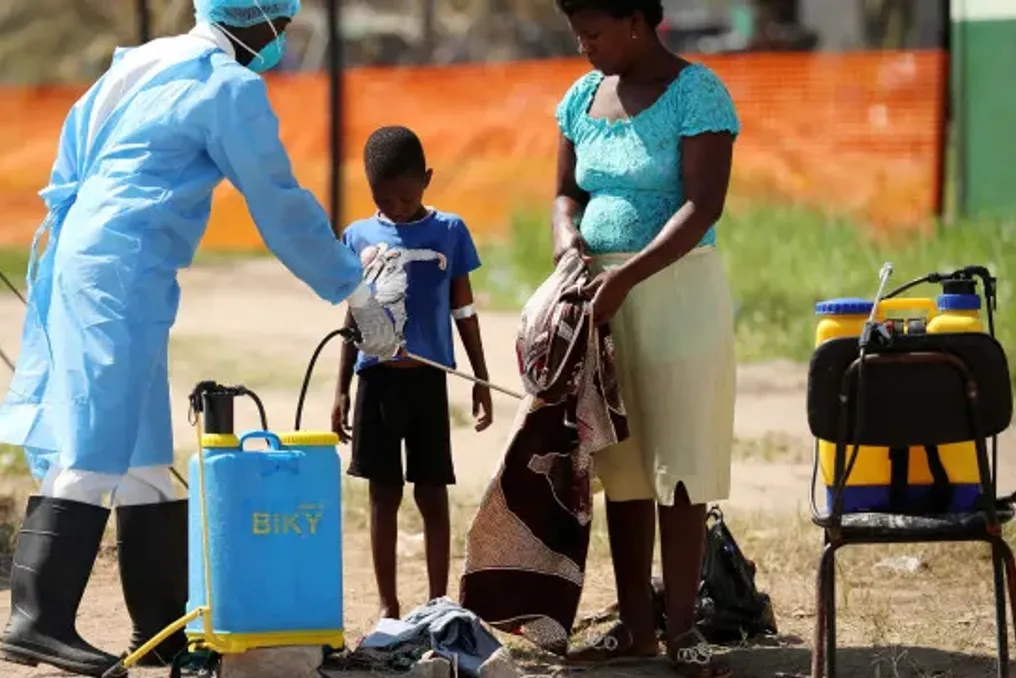
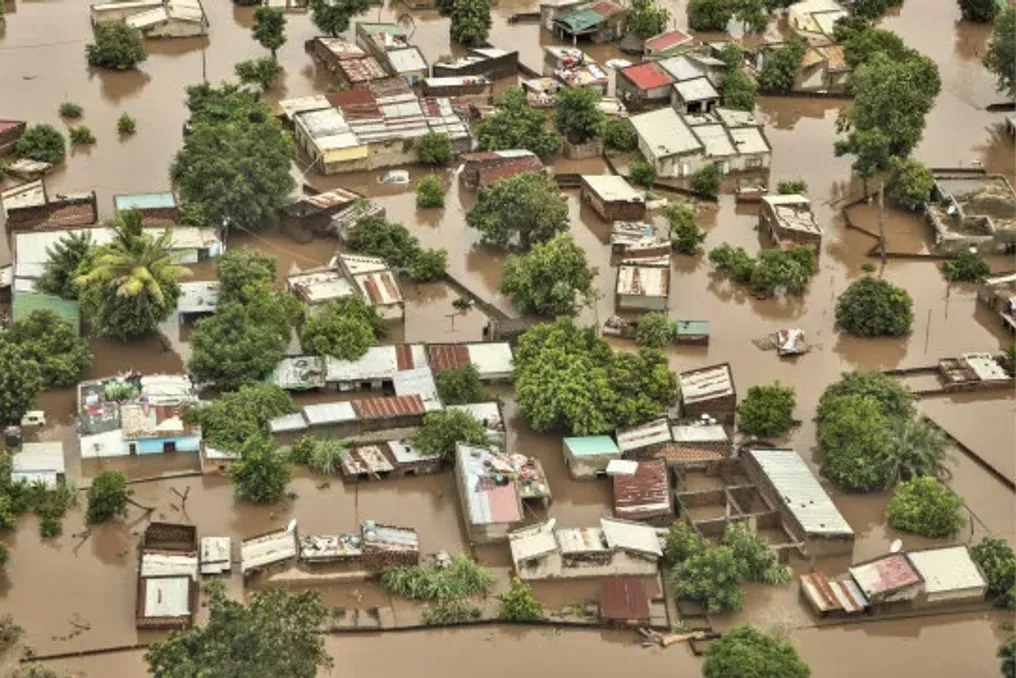
In parallel, the Mozambican Government reduced its economic growth projection from 2.8% to 0.59% in 2026, due to the damage caused by floods. A spokesperson for the body informed, at the conclusion of the Council of Ministers meeting, that the January 2026 floods affected approximately 724,000 people in the provinces of Maputo, Gaza, Inhambane, Sofala, Manica, and Zambezia, generating serious impacts on poverty, food security, and livelihoods.
Inocêncio Impissa detailed that the Post-Flood Recovery and Reconstruction Global Plan, approved in the same meeting, totals 102 billion meticals (equivalent to 1.4 billion euros). This plan aims to promote sustainable, inclusive, and resilient recovery in the affected areas, ensuring socioeconomic stability and strengthening the capacity to respond to future disasters.
Government estimates indicate that physical damages were assessed at 69.5 billion meticals (955 million euros), while economic losses amount to 41.37 billion meticals (569 million euros).