Elon Musk's net worth has once again decreased, falling below the $800 billion threshold. According to Forbes estimates, this was caused by the cancellation of another Starship spacecraft flight, which led to a decline in SpaceX stock value.
Elon Musk's net worth has once again decreased, falling below the $800 billion threshold. According to Forbes estimates, this was caused by the cancellation of another Starship spacecraft flight, which led to a decline in SpaceX stock value.
The publication reported that SpaceX shares lost 4.4% of their value, reaching $125 per share. Consequently, Musk's net worth decreased to $792.8 billion. Nevertheless, he retains the status of the world's wealthiest person.
The decline in SpaceX stock continued for five days, resulting in a 14.5% reduction in the company's total market value. Musk, who owns 4.8 billion shares and 350 million options in the company, directly felt the impact of this decrease.
The increased stock sell-off occurred after Musk announced the cancellation of the thirteenth test flight of Starship. He explained that the automated system interrupted the launch preparation because several engines on the launch vehicle failed to ignite during the ignition phase. In his post on the social network X on July 16, he specified that the next launch attempt is scheduled for the beginning of next week.
Musk's peak financial wealth was recorded on June 16, when Forbes valued his capital at $1.45 trillion. Since then, his net worth has shrunk by nearly $700 billion. Previously, Elon Musk first entered the ranks of billionaires due to the listing of SpaceX shares on the stock market.
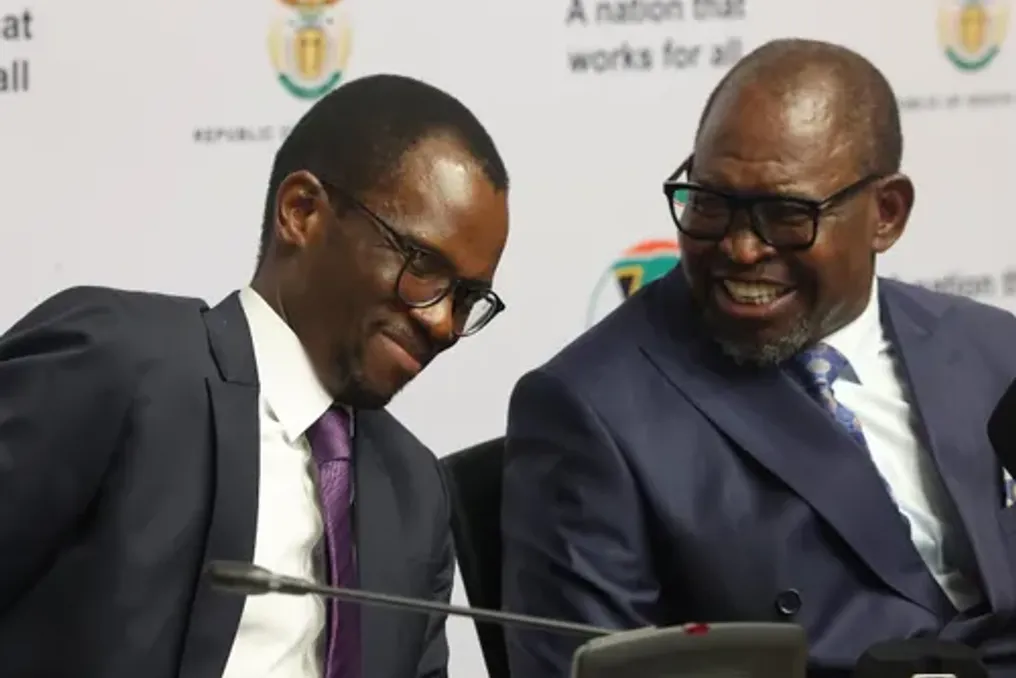
South Africa has secured a loan of $1.5 billion from the World Bank. These funds, combined with financing from other multilateral development partners, enable the government to meet the requirement of attracting $3.2 billion in foreign currency for the 2026/27 fiscal year.
This Development Policy Loan from the World Bank amounting to $1.5 billion (equivalent to approximately 27 billion Rand) is intended to support structural transformations. The goal of these reforms is to improve electricity supply, freight logistics, and water infrastructure, which is necessary to stimulate economic growth and generate jobs.
The loan agreement was signed between the National Treasury and the World Bank and marks the fourth such loan between the parties. It is part of a broader government program aimed at eliminating infrastructure bottlenecks that have long negatively affected economic performance.
The National Treasury stated on Tuesday that this funding will be directed towards reforms in the energy, freight, and logistics sectors, as well as in water supply and sanitation. These areas have been identified as critical for ensuring inclusive growth and reducing unemployment.
According to the Treasury, the loan will help South Africa implement the necessary measures and reforms aimed at advancing changes in the energy, transport, and logistics sectors, as well as addressing pressing issues in the water supply and sanitation sector.
The financing is based on three main pillars of reform: increasing competitiveness and security in the energy sector, improving freight services, and ensuring more efficient services in water supply and sanitation. These changes are designed to remove major barriers to investment and economic activity while enhancing the quality of essential public services.
The Treasury specified that this financing aligns with a borrowing strategy aimed at attracting funds at the lowest possible cost while maintaining long-term debt sustainability. The loan has a repayment period of 15 years, including a three-year grace period, and the interest rate is six-month SOFR plus 1.35%.
Thanks to the favorable terms, the Treasury noted, the state will be able to reduce debt servicing costs compared to more expensive market borrowing. The World Bank financing also allows South Africa to complete its foreign currency attraction program for the current fiscal year.
The National Treasury expressed gratitude to the World Bank for its continuous support, emphasizing that the partnership will help sustain the pace of structural reforms deemed necessary for boosting economic growth and expanding employment. South Africa is increasingly relying on financing from multilateral institutions to support reforms while securing more favorable terms than those typically available in international capital markets.
The latest agreement was concluded amid the ongoing implementation of government reforms under Operation Vulindlela, which aims to improve networked industries, reduce infrastructure constraints, and stimulate private investment in key economic sectors.
Fintech company One97 Communications is taking steps to restore its digital payment business after the Reserve Bank of India (RBI) revoked the license of Paytm Payments Bank. The company has applied for a Prepaid Payment Instrument (PPI) license, which could potentially allow it to relaunch wallet services under its own legal entity, subject to approval.
The PPI license grants companies the right to issue prepaid payment instruments, such as digital wallets. These instruments allow customers to top up their balance and use funds to pay for goods, purchases, and transfers within established regulatory norms. The Paytm wallet business effectively halted following regulatory actions against Paytm Payments Bank, although the company continued to provide UPI services in partnership with other banks but could no longer operate through its banking division.
The PPI license authorizes regulated entities to issue digital wallets and other prepaid products. Users holding such a license can typically top up a digital wallet, pay for goods from sellers both online and offline, pay utility bills, make transfers within permitted limits, and conduct daily digital transactions without using cash. It is important to note that, unlike a bank account, a prepaid wallet stores funds that the user has pre-loaded onto it.
Paytm Payments Bank was long under scrutiny by the regulator due to compliance issues. Following initial restrictions on attracting new customers, supervisory measures were tightened. In April 2026, the RBI revoked the bank's license, citing continuous violations of licensing terms and regulatory requirements. The regulator also confirmed that the bank had sufficient liquidity to repay depositors during liquidation. After these actions, Paytm focused its efforts on ensuring uninterrupted payments through UPI by collaborating with other banks. Despite the continuation of transactions for customers and merchants, the absence of the wallet business segment created a gap in the company's payment ecosystem.
If the RBI approves the PPI license, Paytm will be able to relaunch its digital wallet services, offering customers an additional payment method alongside UPI. This will also help increase user engagement within the application, strengthen the payment ecosystem for merchants, and diversify its payment business beyond bank partnerships. Approval would allow Paytm to restore a business segment that was previously a central element of its digital payment strategy. The company stated that it believes consumers benefit from having diverse payment options, and the wallet would add completeness to the consumer offering. The RBI will review Paytm's application before making a decision on issuing the license, and until then, the company will continue to operate its existing UPI-based payment services through partner banks.
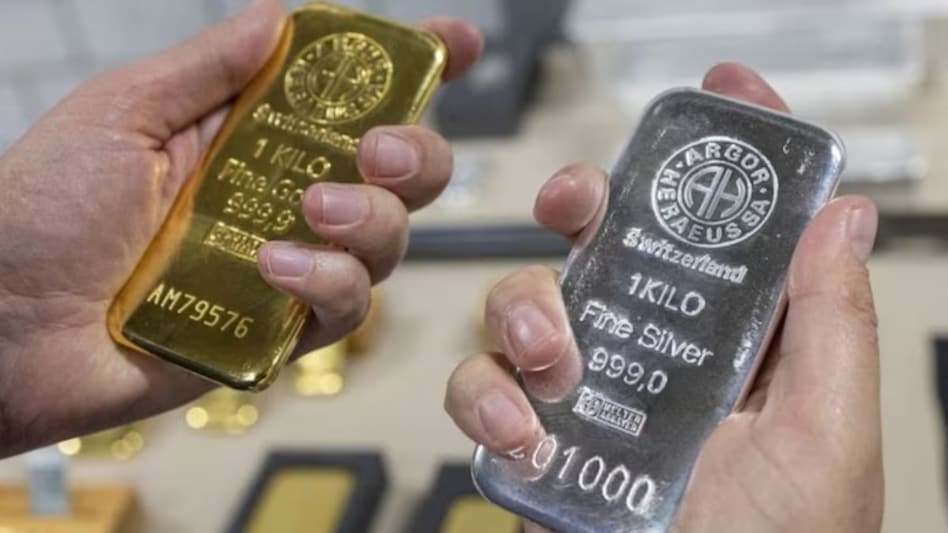
Amid fluctuations in the stock market, significant changes occurred in commodity prices on Tuesday, including gold and silver. The futures price for silver on the Multi Commodity Exchange (MCX) saw another increase, surpassing the mark of 2.20 lakh rupees per kilogram, an increase of more than 2000 rupees compared to the previous close.
This is the second consecutive day that the price of silver has shown an increase in the futures market. After a period of significant decline, the precious metal has regained momentum. Last Monday, the price of silver closed in the green zone at 2,18,400 rupees per kilogram. However, on Tuesday, when trading began, silver with a September 4 expiry sharply rose to 2,20,782 rupees.
Despite the recent rise on the MCX, the current price of silver still lags significantly behind its record level. It should be noted that at the end of January this year, the futures price for silver on the MCX first crossed the 4 lakh rupee mark, reaching a maximum of 4,20,048 rupees per kilogram. Compared to this peak value, silver is currently priced 1,99,266 rupees lower.
On Tuesday, following silver, the futures rate for gold also showed a jump. The price of 10 grams of 24-carat gold with a September 5 expiry on the MCX increased by more than 1000 rupees immediately after the market opened. On the previous business day, futures gold closed at 1,41,388 rupees per 10 grams, and it reached 1,43,90 rupees at the start of trading.
The rise in gold and silver prices continues for the second consecutive day. Analysis of the changes shows that last Friday, gold closed at 1,40,906 rupees, and over these two days, it has increased by 1484 rupees per 10 grams. As for silver, it increased by 4379 rupees per kilogram from its Friday closing price of 2,16,403 rupees.