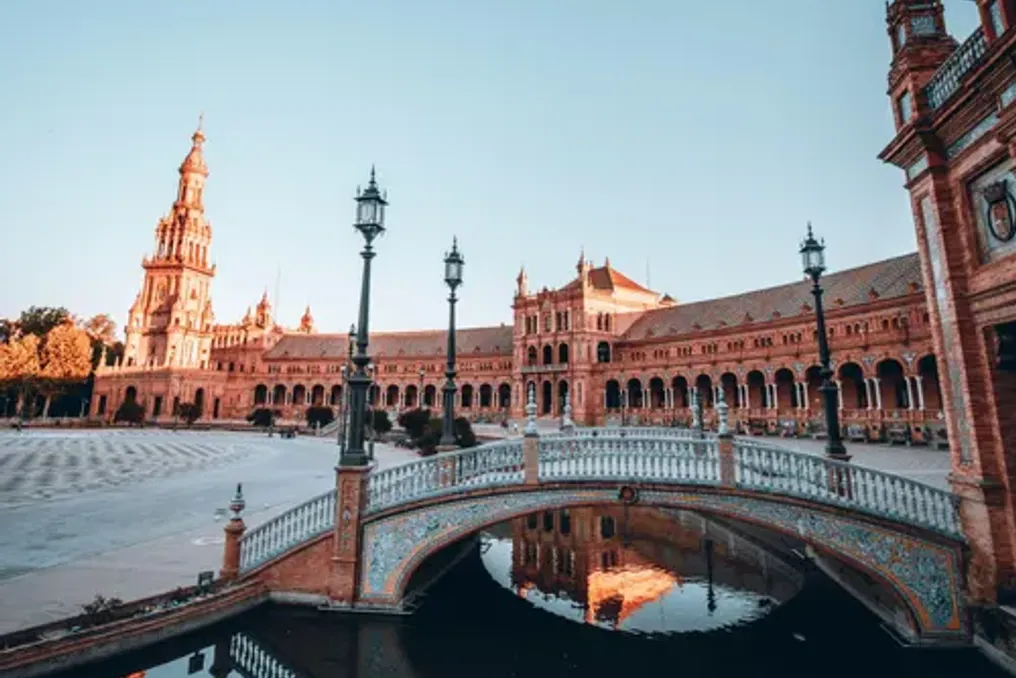
Following the exciting 2026 World Cup, which captured the attention of fans worldwide, many have been inspired to travel to Spain. This European country, which hosts 90 million tourists annually, offers numerous attractions, rich culture, and history.
Spain's Appeal to Tourists
Spain attracts travelers with over 8,000 kilometers of coastline, giving it the highest number of blue-flag beaches in the world. Due to its sunny climate for most of the year, it is an ideal place for a vacation. Furthermore, the country is recognized as the second-largest tourist industry in the world, boasting a rich culture, history, exceptional cuisine, vibrant nightlife, and renowned art and architecture. Provided there is no petty crime, Spain consistently ranks among the safest countries on the planet.
Cities to Visit in Spain
Barcelona
Barcelona is considered the main tourist center of Spain, combining a lively Mediterranean atmosphere with unique Catalan heritage. The city is famous for UNESCO World Heritage sites, such as Gaudí's iconic modernist buildings—Casa Milà and Casa Batlló. When planning an itinerary, one should visit Sagrada Familia, Gaudí's unfinished basilica masterpiece, as well as Park Güell, a colorful park with panoramic views. The Gothic Quarter (Barri Gòtic) is a labyrinth of narrow historic streets, and La Rambla is the city's most famous pedestrian avenue. The Boqueria market, where fresh produce and tapas can be found, should not be missed.
Additionally, the Carmel Bunkers offer stunning 360-degree sunset views. Barcelona also has other places worth including in the trip plan.
Madrid
This city, home to famous football clubs like Real Madrid and Atlético Madrid, offers much more than sports. Here, visitors can enjoy traditional flamenco shows and high-end shopping on Gran Vía. Tourists are recommended to visit the Prado, Reina Sofía, and Thyssen-Bornemisza museums, as well as tour the magnificent 18th-century Royal Palace of Madrid. The El Retiro Park contributes significantly to the city's charm, being a UNESCO World Heritage site. For evening entertainment, the dynamic neighborhoods of Malasaña, Chueca, and La Latina are suitable. Madrid is known for its 'never-ending city' atmosphere, supported by rooftop bars and old taverns. If time permits, day trips to neighboring historic cities such as Toledo, Segovia, and Salamanca can be made.
Seville
Seville possesses a rich history spanning 3,000 years and is deeply connected to Andalusian culture. The city features a Gothic Cathedral, recognized as a UNESCO World Heritage site, where flamenco originated. Among the attractions are Setas de Sevilla, an impressive mushroom-like wooden structure with an underground archaeological museum, and the Torre del Oro, a 13th-century watchtower on the Guadalquivir River. The Triana neighborhood, where history, art, and gastronomy harmoniously blend, is also worth visiting.
San Sebastián
For culinary lovers, San Sebastián is the perfect destination, as it is considered the center of global gastronomy, offering exquisite dishes in Michelin-starred restaurants such as Arzak and Akelarre. Moreover, the Old Town has the best spots for tasting tapas. Besides food, visitors can enjoy the beaches of La Concha and Zurriola. For sightseeing, the Monte Urgull and Monte Igueldo viewpoints are recommended. On Monte Urgull, one can walk to the viewpoint, military fortifications, and the statue of Christ. Alternatively, taking the funicular up Monte Igueldo leads to an old amusement park and scenic views. Granada with the Alhambra palace and Mallorca with its diverse island landscapes are also mentioned.