The Central Bank of Uzbekistan has introduced amendments and additions to eight departmental regulations as part of efforts to strengthen the legal framework for implementing Islamic banking. All amended documents have been officially registered.
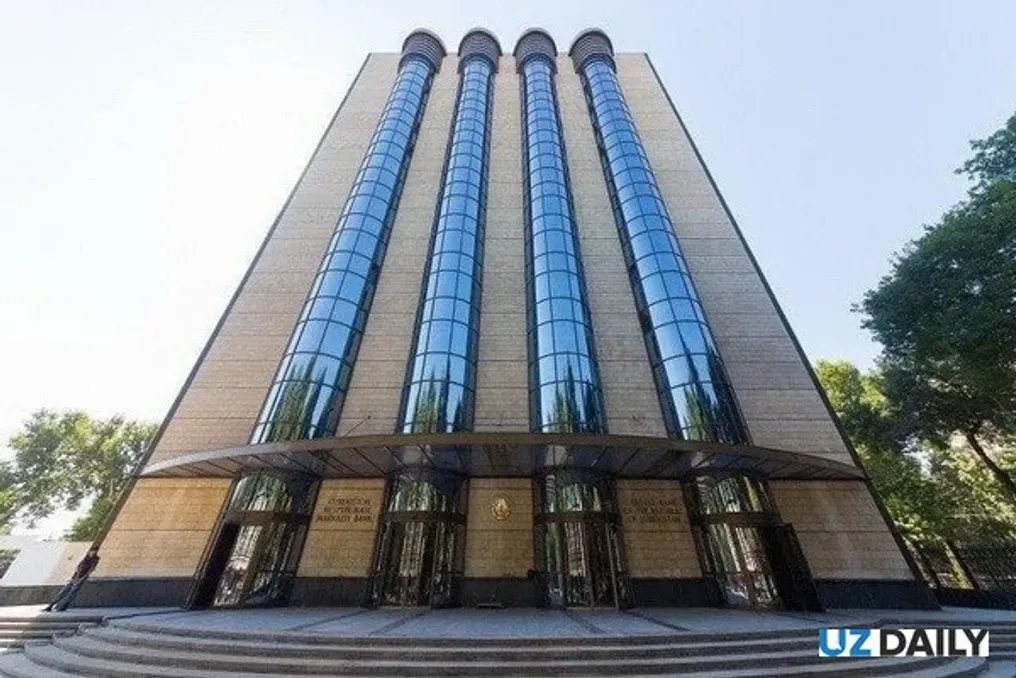
The Central Bank of Uzbekistan has introduced amendments and additions to eight departmental regulations as part of efforts to strengthen the legal framework for implementing Islamic banking. All amended documents have been officially registered.
The regulator stated that these adjustments were prepared following the update of legislation aimed at developing Islamic banking in the country. The goal of the introduced amendments is to create the necessary regulatory foundation for promoting Islamic banking services in Uzbekistan.
The changes affect provisions regulating liquidity management of commercial banks, corporate governance, risk limits for a single borrower and related borrowers, internal audit of banks, external audit of banks and banking groups, the activities of guarantee providers, contributions to the Deposit Guarantee Fund, as well as capital adequacy requirements for banks.
According to the updated acts, these requirements now apply not only to commercial banks but also to microfinance banks engaged in Islamic banking activities.
The revised rules also include norms concerning licensing activities in the field of Islamic banking, conducting Islamic financial operations, applying Islamic financial standards, using investment deposits, Islamic financial instruments, developing Islamic finance policies and portfolios, as well as the activities of Islamic finance councils in banks.
The Cabinet of Ministers of Uzbekistan has approved changes to the procedure for returning a portion of the value-added tax (Tax Free) to foreign citizens for goods purchased in the country. The relevant resolution dated July 16, 2026, was published on the legal portal Lex.uz.
The amendments provide for a relaxation of requirements for receiving VAT refunds. Specifically, the minimum total purchase amount required to apply for Tax Free has been reduced from 1 million to 300,000 soums.
Furthermore, the list of goods subject to the VAT refund system has been significantly expanded. Almost all categories of goods are now eligible for the cashback system, with the exception of meat and meat by-products, fish and seafood, animal products, vegetables, fruits, nuts, coffee, tea, spices, cereals, flour, and baked goods, animal and vegetable fats, meat, fish, and other aquatic invertebrates products, sugar and confectionery made from sugar, cocoa, processed vegetable, fruit, nut, and other plant products, as well as other food products.
The fund transfer procedure has also been changed. VAT refunds will now be credited to the foreign citizen's bank card or account within three working days. Previously, payments were made through the general mechanism of the tax cashback system—after the 25th day of the month following the month of refund registration.
The new rules also introduce the possibility of receiving the refund in cash in US dollars upon leaving Uzbekistan. In this case, the foreign citizen will be paid 85% of the tax amount, and the remaining 15% will constitute the operator's commission for the Soliq Servis system. Cash payments are made on the day of the foreigner's confirmed departure from the country, and the system operator maintains separate records of persons entitled to this method of receipt.
The reform of the Tax Free system was initiated by a decree of the President of Uzbekistan, signed in March of this year. This document provides for reducing VAT refund periods and introducing a mechanism for receiving cash payments.
The Central Bank of Uzbekistan has amended the country's currency legislation, simplifying the process that enterprises must undergo when using foreign currency acquired on the local market.
These amendments were officially registered by the Ministry of Justice on July 16 under number 3281-6. They concern point 28 of the Currency Operations Rules, which regulates the use of funds held in special foreign currency accounts.
Previously, funds deposited into such accounts could only be used for the purposes specified in the application submitted when purchasing the currency. If a company needed to use the purchased currency to fulfill obligations under another contract, the existing regulations required first selling this currency to a commercial bank and then repurchasing it for a new purpose.
Under the updated regulations, enterprises now have the right to change the intended use of foreign currency purchased on the domestic currency market. The Ministry of Justice notes that these changes are aimed at increasing convenience for entrepreneurs and improving the flexibility of currency transactions.
Earlier, in June, the Chairman of the Central Bank, Timur Ishmetov, approved separate amendments concerning currency operations related to capital movement. These changes allow individuals to transfer up to $10,000 abroad annually without prior approval to participate in the charter capital of foreign companies or acquire shares in them.
Transfers to foreign brokerage and investment accounts are permitted only through licensed investment intermediaries operating in Uzbekistan. For state enterprises and their subsidiaries, the annual volume of foreign investments is limited to $100,000, including investments in foreign companies, as well as the establishment of branches, representative offices, and trading houses abroad. The corresponding annual limit for private companies is set at $200,000.