Samarkand is transforming from a historical heritage site into an important platform for discussing the ecological future of Central Asia. Given land degradation and climate change, the region's primary task is nature restoration.
Samarkand is transforming from a historical heritage site into an important platform for discussing the ecological future of Central Asia. Given land degradation and climate change, the region's primary task is nature restoration.
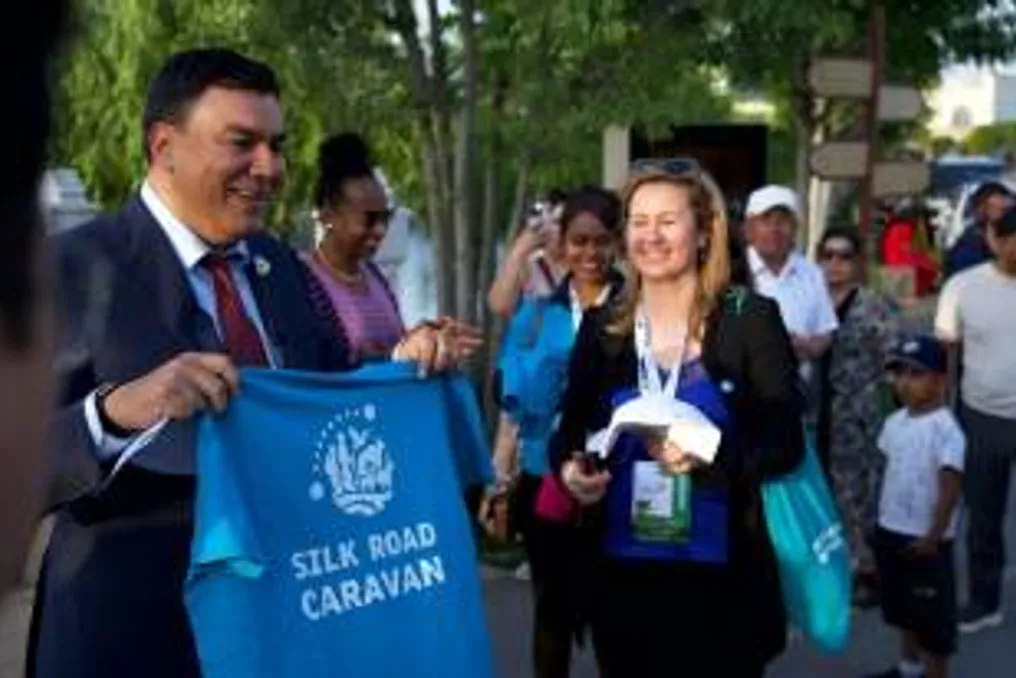
Issues related to this problem were discussed within the framework of the 'Silk Road Caravan' initiative and the GEF-8 Assembly. Approximately 152 million hectares of land in Central Asia are suffering from desertification, and more than half of the population feels the effects of this phenomenon. Consequently, international partners have launched major financial programs for Uzbekistan and the entire region.
Projects such as the 'Mountain Ecosystems of Central Asia' program, valued at $5.4 million, and the 'Central Asia Water and Land Nexus' program, worth $26 million, have been approved. These funds will be directed towards land restoration, water resource management, and the formation of climate-resilient systems.
Uzbekistan does not rely solely on external aid in this process. Under the national program 'Yashil maqon' (Green Space), 200 million seedlings are planted annually, and by 2030, the share of green areas is planned to increase from 15% to 30%. This is considered one of the pillars of the national strategy to combat climate change.
The experience of Omonqoton in the Samarkand region demonstrates that nature restoration goes far beyond planting trees. Here, the natural productivity of the land is being restored through scientific planning of grazing seasons, long rest periods for certain areas, planting drought-resistant trees such as almonds, acacia, and kayragoch, as well as constructing rainwater harvesting structures.
Even beekeeping has become an important part of the ecosystem. Bees accelerate natural restoration processes by pollinating plants, and honey creates an additional source of income for the local population.
One of the most effective projects is the implementation in the Nurobod district. Plans include creating 50,000 hectares of pasture on previously unusable land. This project aims not only to restore degraded lands but also to create a stable economic model for the rural population. According to the plan, once the pastures begin to yield crops, 5-hectare plots will be leased to low-income families. Experts estimate that this initiative could become a permanent source of income for nearly 10,000 families in the future.
The main conclusion of the document is that the fight against climate change is not just an environmental issue, but a problem directly linked to the economy, food security, employment, and regional stability. The discussions initiated in Samarkand promote precisely this approach: nature conservation is viewed not as an expense, but as the most important investment in the future.
On the occasion of the country's 35th anniversary of independence, the campaign 'Improvement of Mahallas and Month of Mercy' was announced. As part of this initiative, food products and clothing were distributed to over 250 needy families in the Qo'shrobot district of the Samarkand region.
During a video selector meeting held on July 16 under the leadership of the head of state, the 'Month of Improvement of Mahallas and Mercy' was announced to hold the brightest celebrations in the mahallas in a solemn atmosphere.
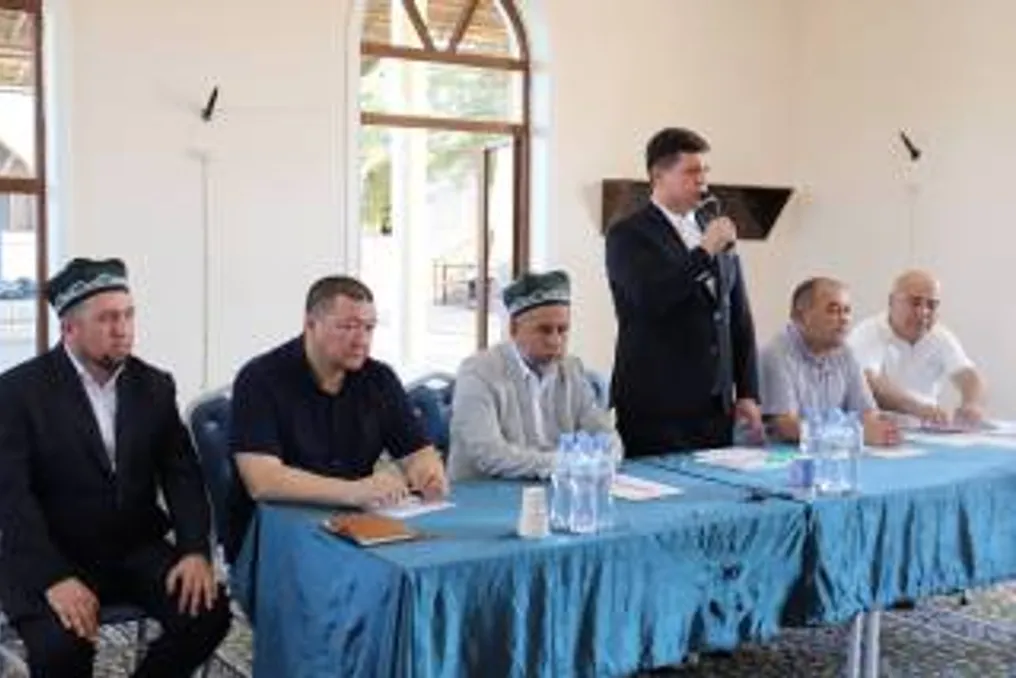
Practical activities also began in the mahallas of the Samarkand region. Charitable actions were organized in cooperation with the Khokimiyat of the Samarkand region and the representation of Uzbek Muslims in the region in the Qo'shrobot district.
Representatives of the regional and district khokimiyats, imams-khatibs, and elderly people who returned from pilgrimage to the holy Hajj this year participated in distributing school uniforms, educational supplies, and food to needy families, thanks to the initiative of pious pilgrims.
Hayrulloh Sattorov, Deputy Chief Imam-Khatib of the Samarkand region, noted that showing respect to needy people and caring for orphans are among the most virtuous deeds in their sacred religion. He added that imams-khatibs and pilgrims returning from the holy journey joined this noble cause as part of the 'Month of Improvement of Mahallas and Mercy,' announced on the eve of the country's 35th anniversary of independence. In addition to presenting gifts and greetings to residents, they also conducted educational talks and listened to people's opinions.
According to the organizers, similar acts of mercy are being carried out in other districts and cities of the region.
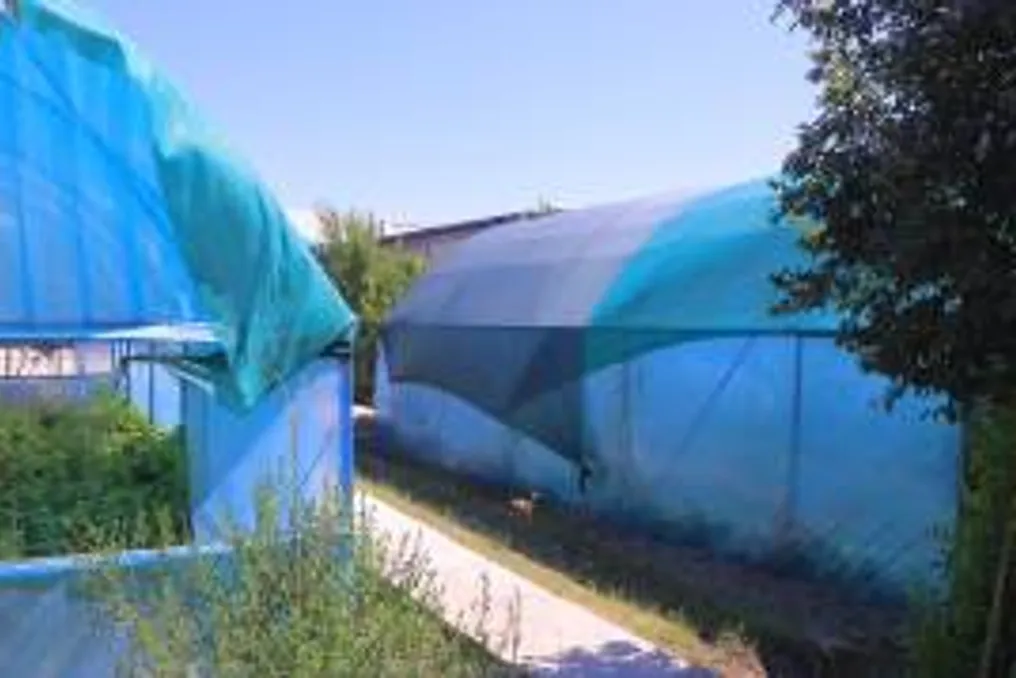
State programs aimed at ensuring employment, developing family entrepreneurship, and efficiently utilizing land resources are demonstrating high results in the country. In particular, modern greenhouses, created with the support of preferential loans, are becoming an important element in ensuring food security and a model for achieving a prosperous life through labor for the rural population.
Jumaqul Avezov, a hardworking and initiative-taking farm owner residing in the 'Tinchlik' mahalla of the Qorako'l district in Bukhara region, is an example of such people. He was able to effectively utilize the opportunities provided by the state and, with the help of a preferential bank loan, built a modern greenhouse, turning his land into a real source of income.
Currently, this greenhouse, using modern agricultural technologies, grows vegetables such as tomatoes, eggplants, bulgar squash, eggplants, and lovia. Because the cultivation is carried out according to a scientific approach and diligence, the yield increases year after year.
The most significant aspect is achieving three harvests within one year in the greenhouse. This allows for high economic benefit from a small plot of land, multiplies the family income, and provides local markets with fresh and high-quality vegetables throughout the year.
Part of the produced goods is used for the needs of the family itself, while the main part is distributed among the residents of the mahalla and neighbors. This simultaneously provides the population with affordable and quality products and strengthens the financial well-being of the farm by creating a stable source of income.
The results achieved by Jumaqul Avezov through hard work clearly prove that even a small plot can become a huge source of opportunities. His experience demonstrates the possibility of obtaining a rich harvest on a small area, successfully developing family business, and ensuring employment for the population by organizing gardening and greenhouse farming based on modern approaches.
Such exemplary farms not only feed their families but also actively promote the culture of efficient land use in the mahalla, becoming a source of inspiration and example for others. They prove that any opportunity can be turned into real success through labor, aspiration, and rational planning.
The opportunities provided by the state bear great fruit in the hands of a hardworking person. Jumaqul Avezov's greenhouse is a vivid confirmation of this. Achieving three harvests in one greenhouse per year is not just a success, but a testament to the effective combination of knowledge, labor, and created opportunities. Such proactive and dedicated people play an important role in the development of agriculture, improving the welfare of the population, and ensuring the country's food security, contributing to the development of New Uzbekistan.
At the initiative of the President, close attention is paid to the open communication of heads of state institutions with the people, a responsible approach to every appeal, and the effective use of digital technologies.
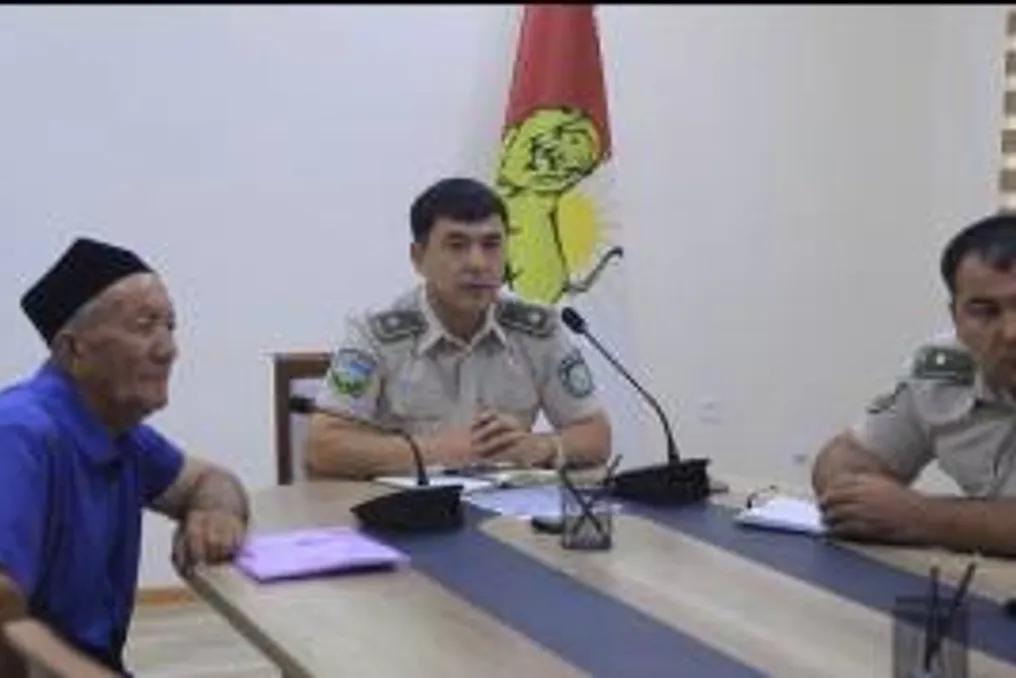
To ensure the fulfillment of these tasks, another field reception of the National Guard command was organized. Thanks to online video conferencing, citizens and servicemen from various regions of the country were able to take direct part in the reception and raise issues of social significance and concern.
The main advantage was the absence of the need for applicants to travel long distances. This contributed to saving time, preventing unnecessary expenses, and increasing the efficiency of interaction with the population. During the reception, every appeal was carefully studied, and specific assignments were given to responsible persons. Most issues were resolved on the spot, while appeals requiring further study were placed under strict control.
According to Colonel in retirement Uktam Khaitov, such receptions in modern format create significant convenience for the population. He emphasized that state institutions strive to find solutions to citizens' problems. Through the online reception, people even from the most remote areas can directly convey their appeals to the leadership. This not only saves time and money but also strengthens the transparency of state bodies, their communication with the people, and their accountability. Most importantly, as U. Khaitov noted, one must not forget that behind every appeal is a person's fate.
Such open communication and a modern approach contribute to strengthening public trust in state structures, ensuring people's interests, and developing a new, effective system of interaction with society.