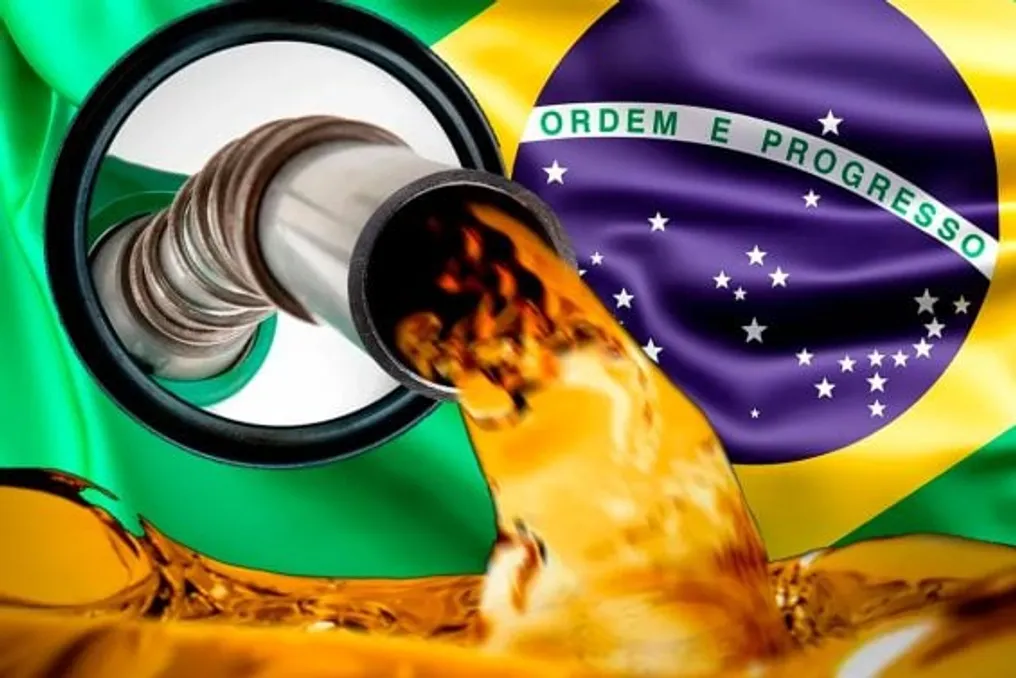
The National Energy Policy Council (CNPE) deliberated this Tuesday, the 14th, on raising the minimum percentage of anhydrous ethanol required in gasoline, increasing it from 30% to 32%. This change will initially be valid for 180 days, with the possibility of being extended for the same period.
Objectives of the energy change
According to the federal government, this determination aims to decrease the country's dependence on imported gasoline. Furthermore, the measure seeks to increase the contribution of biofuels to the Brazilian energy matrix and assist in controlling fuel costs amid the instability of the international oil market, a scenario intensified by the conflict in the Middle East.
Impact on imports and policy
The Ministry of Mines and Energy (MME) reported that the implementation of E32 gasoline may result in a monthly reduction of approximately 500 million liters in the need for fuel imports. This volume is considered sufficient to achieve Brazilian self-sufficiency in energy supply. This adjustment is part of the policy called Future Fuel, a program designed to promote the use of renewable fuels and mitigate greenhouse gas emissions in the transport sector.
Results of tests conducted
The CNPE assured that the new composition was rigorously tested in the laboratory and under real-world usage conditions, covering aspects such as performance, drivability, cold start, consumption, and emissions. The council confirmed that the results indicated behavior identical to gasoline with a lower ethanol content, without causing significant damage to the operation of vehicles, including those equipped with gasoline-only engines (not flex).
Other CNPE deliberations
In addition to approving E32 gasoline, the CNPE issued two new resolutions. One strengthens the activities of the National Agency of Petroleum (ANP) in combating fuel fraud and adulteration. The other consists of revoking a resolution regarding the voluntary commercialization and use of biodiesel, whose content will be integrated into Law No. 14,993/2024.
Context of the ethanol increase
Although the increase in ethanol content was expected, the proposal had been presented by the government in June, following a meeting between President Luiz Inácio Lula da Silva and representatives of the sugar-energy sector. It is relevant to note that in June 2025, the mandatory blend had already been raised from 27.5% to 30%, while the percentage of biodiesel in diesel remained unchanged this time.