Tokyo is a wonderful travel destination that combines the traditions of the old world with modern technology, and it is home to dynamic districts and high-quality public transport. Whether you are planning a day trip or a week-long stay, mastering how to get around the city is best.
Baggage Management in the City
One of the practical problems for most tourists is what to do with luggage before checking into a hotel or after checking out. Many guests arriving early or leaving late in the evening use the services of Radical Storage at Luggage Storage Tokyo Central Station. This allows them to move around the city freely and comfortably without being burdened by heavy bags all day.
Tokyo as a Transport Hub
Tokyo Central Station is a key transport hub in the city. It serves as a gateway through which tourists gain access to numerous local subway systems, regional trains, and the Shinkansen service (high-speed trains). Due to its central location, it also provides easy access to many of Tokyo's main attractions.
Attractions Near the Station
Near the station, visitors can find the Imperial Palace, the Ginza shopping district, Akihabara, Ueno Park, Asakusa, Shibuya, and Shinjuku. Thanks to this transport center, travelers can see more places in less time.
Planning Your Day with Transport
The Tokyo train system is known for its punctuality, clean stations, and highly efficient service. For first-time tourists, purchasing a transport card is a sensible decision, as it simplifies getting around the city. Many travelers prefer to leave large suitcases at home before starting their sightseeing day. Services like Radical Storage offer a convenient solution that is highly valued because it allows people to walk through crowded stations, visit museums, or shop in the city center without extra weight.
Districts Worth Visiting
Asakusa, which is a living museum of Tokyo's history, offers visitors the best of Japanese culture, from traditional architecture to local souvenir shops bringing a piece of old Japan. The famous temple area attracts millions of visitors annually, as do the neighboring streets offering excellent street food, from sweet rice crackers to fresh seafood.
Ginza is famous for its more elegant shopping streets and exquisite restaurants that combine modern architecture with what can be considered very advanced urban design. Furthermore, many tourists who are not looking for luxury shopping enjoy strolling along its wide pedestrian promenades. There are also many cafes and cultural sites here, making it ideal for a daytime break.
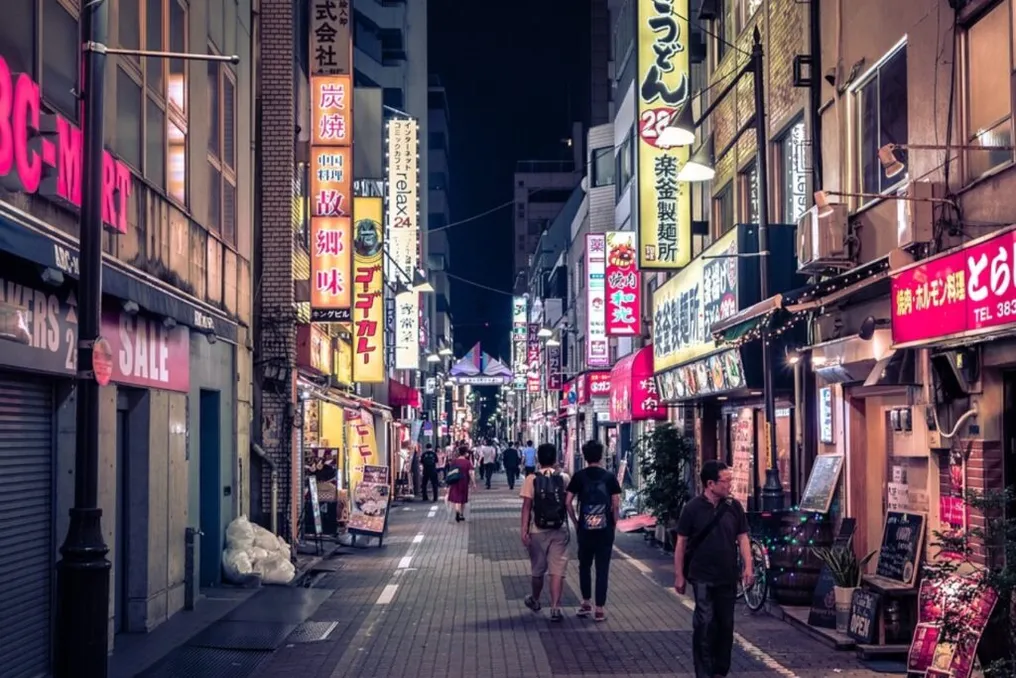
Technology enthusiasts and anime fans include Akihabara on their travel lists. In this area, visitors will find electronics stores, arcade games, themed cafes, and hobby shops, creating a unique atmosphere. Even at first glance, the bright streets and displayed energy make a strong impression.
In Shibuya, you can see the best of modern Tokyo. From the famous crosswalk to excellent restaurants, fashionable clothing stores, and entertainment venues—it is the most dynamic district in the city. This is especially convenient when travelers do not have to lug large backpacks or pull suitcases.
Tips for Comfortable City Exploration
Tokyo is a pedestrian-friendly city, but many tourists underestimate the number of steps taken in an average day. Among useful tips are: wearing comfortable walking shoes, carrying a reusable water bottle, keeping cash for small shops, downloading offline transport maps, avoiding rush hour commutes if possible, and storing unnecessary luggage before starting sightseeing. Choosing the right luggage storage solution can significantly enhance visits to museums, shopping trips, and dinners at restaurants. Staff at Radical Storage have seen many international travelers using their service, which is located near transport hubs.
Tokyo Dining Culture
Tokyo offers a huge variety of culinary options, from inexpensive ramen shops to expensive fine dining restaurants. Popular dishes include sushi, ramen, tempura, yakitori, tonkatsu, and okonomiyaki. In many areas, visitors can find small family restaurants on quiet side streets, and often these places become the highlight of the trip. In the compact dining spaces characteristic of many restaurants, both guests and staff find it more comfortable when visitors arrive without a lot of bags.
Maximizing Limited Time
Many international travelers spend only one or two days in Tokyo before moving on to other parts of Japan. An efficient itinerary could include: mornings spent exploring the Imperial Palace area and the vicinity of Tokyo Station; afternoons dedicated to discovering Asakusa and nearby cultural sites, while enjoying traditional Japanese cuisine; and evenings immersed in the vibrant atmosphere of Shibuya, concluding the day with a view of the sprawling city. Freed from the constraints of previous destinations, moving between these points becomes smoother, allowing more to be seen in one day.
Practical Recommendations for Beginners
Tokyo consistently ranks among the safest major cities in the world, but it is recommended to observe basic travel etiquette. Useful reminders include: following local etiquette on public transport, queuing on the right side of escalators according to the region, disposing of trash properly (as public bins may be scarce), having necessary documents according to local rules, and learning a few basic Japanese greetings to improve interaction. Planning in advance also reduces stress. Some travelers also consider Usebounce, Stasher, or LuggageHero when researching travel options.
Tokyo delights its guests with a fantastic combination of past and present, culture and innovative design. In every district, from ancient temples to modern shopping areas, there is something unique. A proper travel plan, comfortable shoes, and smart baggage management will greatly enhance the travel experience. When starting a long trip across Japan or during a short stopover, leaving heavy bags at the hotel allows travelers to fully immerse themselves in this very dynamic and memorable destination.