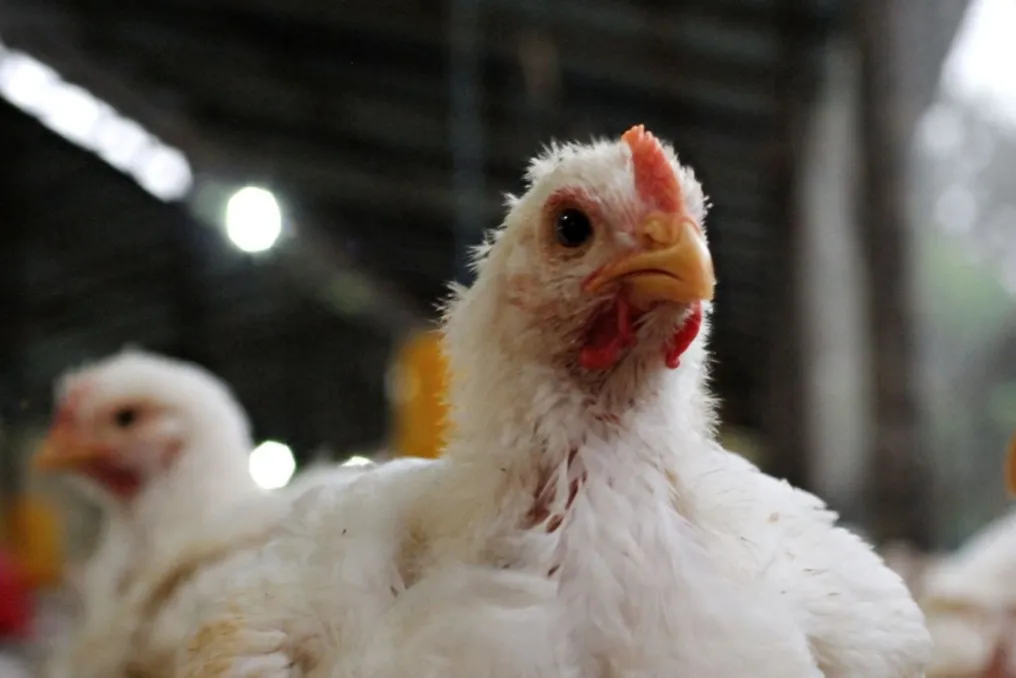
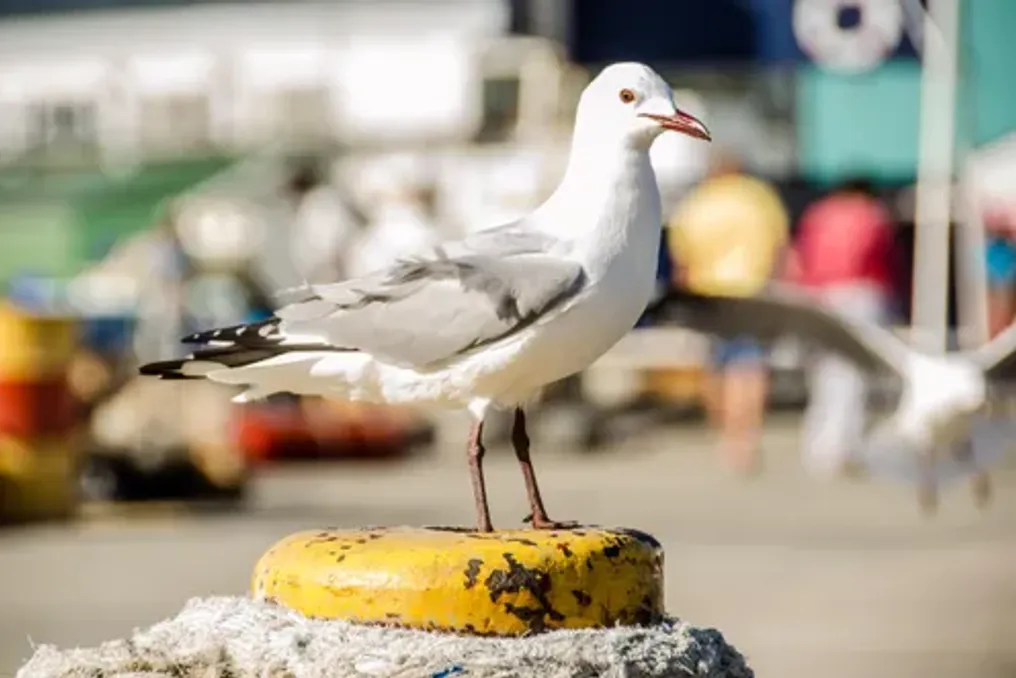
Residents of South Africa have received an urgent warning from conservation authorities: they should avoid the coast and any contact with wild animals amid the ongoing outbreak of a highly pathogenic strain of avian influenza, which is severely affecting wild bird populations along the West Coast.
Precautions and Health Risks
The reason for this warning is World Bird Day. Specialists are asking visitors and coastal residents not to touch, move, or attempt to rescue sick or dead birds. Furthermore, pets are instructed to stay away from infected areas to prevent further spread of the virus.
Conservation organizations have increased monitoring as experts warn that some strains can cross species barriers and infect humans. Although human cases remain rare, people vacationing on beaches are advised to seek immediate medical attention if they develop flu-like symptoms after possible exposure.
Expert Opinion and Conservation Support
Dr. Ashley Naidu, Executive Director of CapeNature, emphasized that seabirds serve as important indicators of the health of fragile marine and coastal ecosystems. He noted that the public can actively assist conservation agencies by reporting suspicious cases and strictly adhering to safety rules, thereby reducing risks to both wildlife and people.
Instructions for Citizens
To help authorities track the disease's spread, map affected areas, and coordinate emergency measures, people are asked to observe any affected animals from a safe distance. Witnesses should record the exact location, date, species, number of affected birds, and any specific clinical signs of the illness, which typically include severe neurological symptoms such as tremors, loss of coordination, and disorientation.
Currently, there is no treatment for this virus in wild populations. When veterinary teams confirm infection, authorities regularly organize humane euthanasia to prevent unnecessary suffering and stop the chain of transmission.
Reporting Channels
To report live, suffering seabirds, contact the Southern African Foundation for the Conservation of Coastal Birds (SANCCOB). Reports of single deceased seabirds should be submitted online through the Department of Forestry, Fisheries and the Environment's coastal information systems at arcg.is/1585011 or via the official platform ocims.environment.gov.za. In emergencies, when multiple dead birds are found together, local rescue networks, the municipality, CapeNature, or SANParks must be notified immediately at 083 236 2924 or by email at estuaries@capenature.co.za for safe biosecure removal.
Other categories of live birds should be reported to the local government veterinarian, and any other dead wild birds should be directed to provincial conservation authorities. Officials stressed that every report provided by the public offers vital data for protecting South Africa's remaining wildlife.