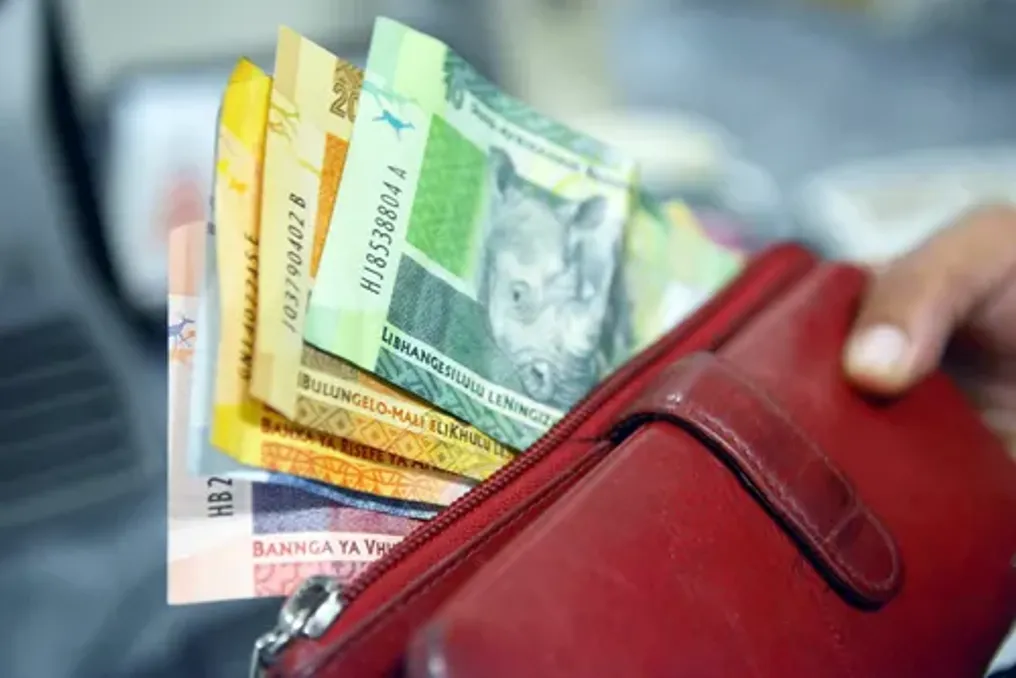
Despite general global uncertainty, the South African rand is demonstrating resilience against the US dollar. Analysts point to several key factors supporting the local currency: falling oil prices, rising commodity prices, weakening expectations of further interest rate hikes by the US Federal Reserve, and reduced tension in the Middle East.
Factors Supporting the Rand
In recent days, the currency's exchange rate has fluctuated around R16.20 to the dollar, which is an appreciation compared to the Q2 average of R16.49. According to Investec chief economist Annabel Bishop, if this positive trend continues, the rand could test the R16.00 mark this week.
Nolan Wapenaar, Head of Fixed Income at Anchor, noted the rand's notable stability, especially considering the recent strong position of the US dollar against other major currencies, such as the euro, which trades about 4% weaker against the dollar than before the war.
Impact of Trade Conditions and US Data
Wapenaar links a significant part of the rand's stability to the improvement in South Africa's trade conditions. He explained that the drop in oil prices contributes to this improvement, and support from higher prices for gold, platinum, and coal strengthens the rand.
Nkosinathi Nsibandi, an equity analyst at Abax Investments, pointed out that weaker-than-expected job growth in the US and revisions to previous months' data have lowered concerns about the Fed needing to raise rates in the near term. This factor has been reflected in the decline of US Treasury bond yields and the overall decrease in the US Dollar Index, which benefits emerging markets.
Expectations of a slowdown or pause in interest rate hikes by the Federal Reserve support the rand, as investors are more willing to acquire higher-yielding emerging market assets, such as South African bonds, increasing demand for the local currency. Nsibandi also added that few domestic events have managed to influence the exchange rate, contributing to the recent stability.
De-escalation of Middle East Risks
Annabel Bishop noted that financial markets have become more optimistic following ongoing negotiations between the United States and Iran. These talks have reduced concerns about potential shipping disruptions through the Strait of Hormuz.
She stated that the improved sentiment led to decreased demand for the US dollar as a safe-haven asset. As a result of the dollar's weakened safe-haven status, the US dollar softened, allowing the rand to strengthen against it. Bishop also highlighted the rise in foreign purchases of South African bonds, which show an upward trend since mid-July amid market calming, and expects this trend to continue as interest in Middle East conflicts decreases.
Rate Expectations and Risks
A recent interest rate hike by South Africa itself has also provided support. Wapenaar noted that a less aggressive policy from the Fed will be additionally beneficial to the rand. Currently, markets are forecasting one or two more rate hikes of 25 basis points in the country by the end of the year, while expectations in the US are similar, although Bishop believes that US rate expectations may weaken due to growth challenges.
Fed Chairman Kevin Warsh demonstrated a cautious balance, signaling commitment to price stability while simultaneously reassuring markets regarding inflation. Bishop noted that he has established himself as a steady figure by refusing to rush into another rate decision, yet providing confidence in the overall outlook. Analysts agree that the rand will likely be driven by international events rather than domestic fundamentals, with upcoming Fed announcements being the next major test. Nevertheless, Bishop warned that the rand retains a tendency toward volatility, and the direction of US interest rates remains a key risk factor for the local currency.