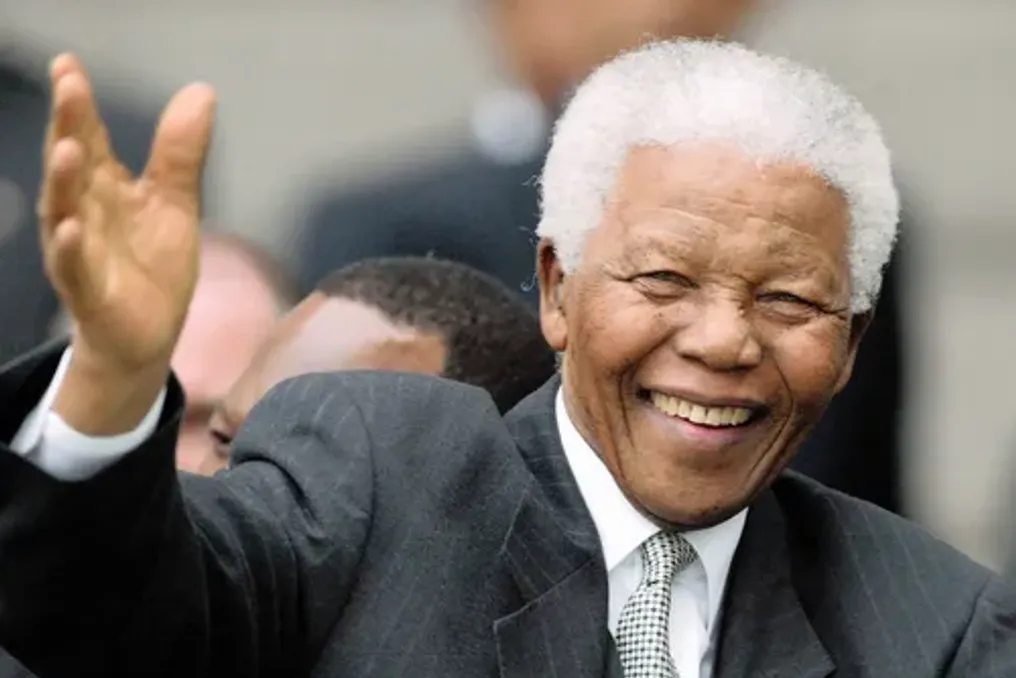
The author argues that the most transformative leader of the 20th century changed the world not because of his academic merits, but because of his character. In a world where the number of degrees is growing but humanity is diminishing, we tend to measure education by certificates, forgetting the essence. Mandela Day serves as a reminder of this forgotten truth.
The Importance of Character in Leadership
Although Mandela held university degrees and pursued education throughout his life, his defining quality was his character: compassion, courage, an unwavering sense of justice, and an almost incomprehensible capacity for forgiveness. The author emphasizes that academic credentials open doors, but values determine what a person builds once inside.
Four Lessons from Mandela's Life
Mandela's life continues to teach us several fundamental lessons. The first lesson relates to the decision that healed a nation. Despite twenty-seven years of imprisonment, hard labor, and isolation, none of the tools of oppression could break his inner core. He looked through the prison bars and saw a free South Africa.
When he left Robben Island in 1990, he carried not hatred, but forgiveness. As he himself said: 'I knew that if I did not leave behind my bitterness and hatred, I would still be in prison.' This decision not only freed a man but healed an entire nation and astonished a world that had forgotten moral courage.
Furthermore, at his inauguration, Mandela invited Chris Brandt, his former prison guard, as a guest of honor, demonstrating grace, reconciliation, and radical humanity that no textbook can teach.
The Price of Freedom and Principle
The second lesson concerns the price of his freedom: he refused to sell it. During his incarceration, amidst growing international pressure, the apartheid regime offered Mandela freedom in exchange for ending the struggle. His response was unequivocal: 'Only free people can negotiate. A prisoner cannot sign contracts. I cannot and will not sell my birthright, nor the birthright of my people, just for freedom.'
Essentially, he stated that if his freedom came at the cost of his people's freedom, he would prefer to remain imprisoned. The author calls this not intellect, but integrity—how values manifest under pressure when the stakes are high and temptation is real. This moment defined not only Mandela but also the very concept of leadership.
Education and Values
The third lesson addresses the danger of education without values. Mandela often said: 'Education is the most powerful weapon which you can use to change the world.' However, his life showed a deeper truth: education devoid of values becomes a dangerous weapon.
As a highly educated man, Mandela was distinguished not by his knowledge, but by his deep values. Prison made him wiser, not bitter; power made him humble, not arrogant; freedom made him forgiving, not vengeful; suffering made him more compassionate, not hardened. His knowledge was guided by honesty, compassion, and humanism. Knowledge without human values can breed geniuses who exploit, deceive, and destroy, whereas knowledge guided by values heals, serves, and transforms.
National Growth Through Character
Finally, the fourth lesson states: when character takes center stage, nations rise. On Mandela Day, an important question arises: what kind of nation are we becoming? Your qualifications may secure a career, but your character builds a nation. It determines whether you will act with courage or yield under pressure, whether you will uplift others or exploit them, whether you will adhere to principles or sacrifice them for comfort.
Mandela's life answers a question we have stopped asking: what is the true purpose of education? It is not merely about getting a diploma, securing a job, or increasing salary. It is about shaping character, developing wise decisions, and leaving a legacy that will outlive you. Therefore, one must constantly acquire knowledge, but not stop there. Become a graduate of forgiveness, courage, compassion, and honesty. Your diploma will disappear, but your humanity will remain. Be a graduate of character, as Nelson Mandela lived and taught.