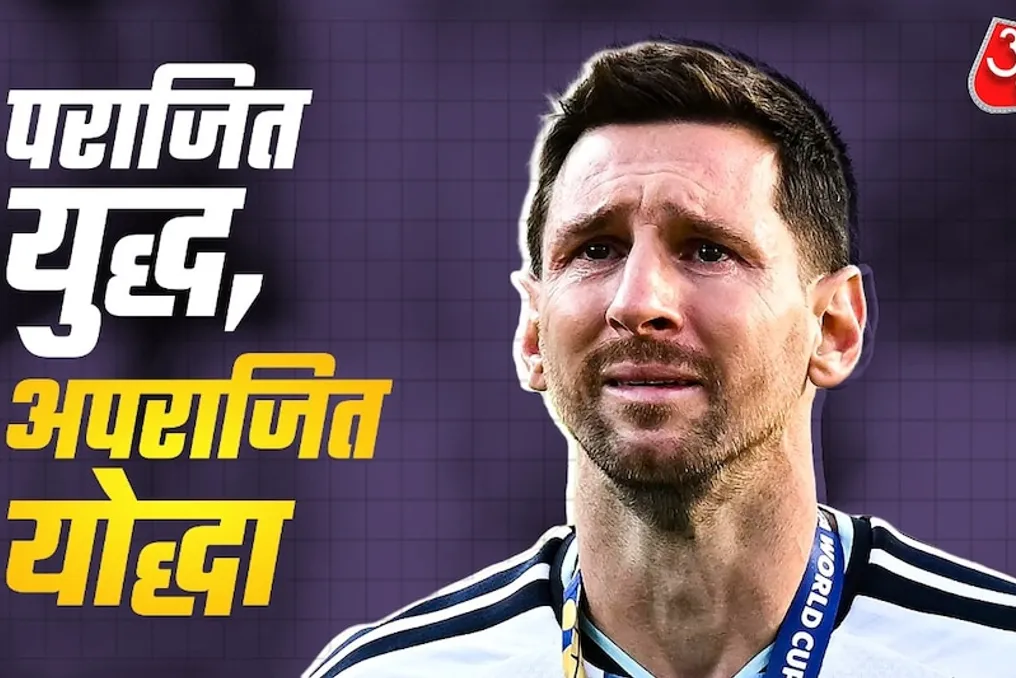
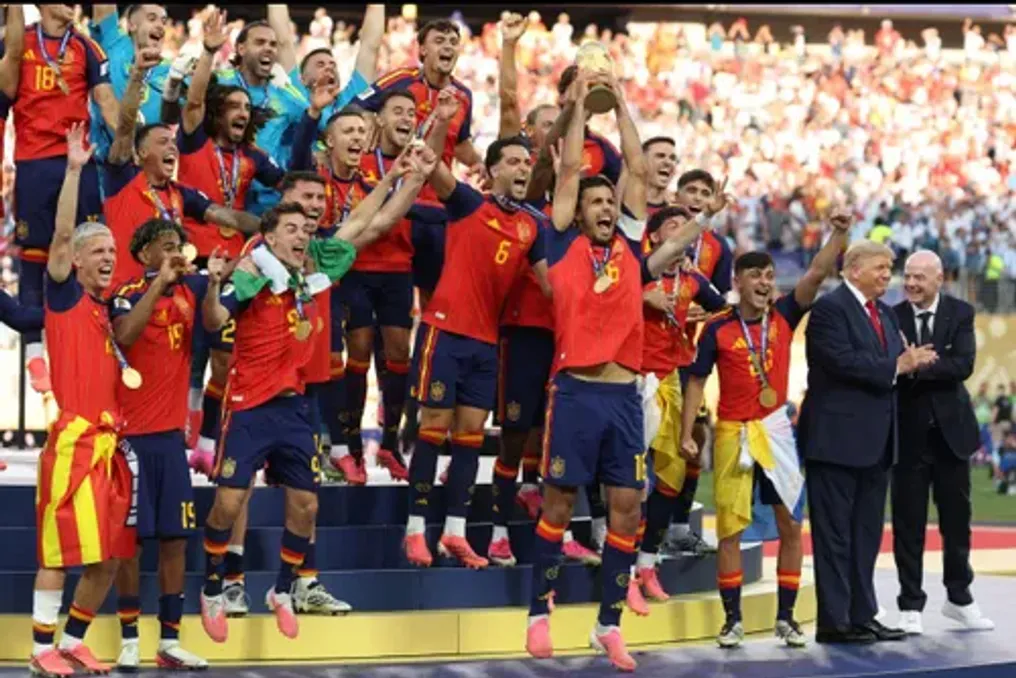
In 2022, Lionel Messi won the World Cup title at Lusail Stadium in Qatar. He not only lifted the World Cup trophy but also silenced years of criticism, accusations of incompleteness, and mockery forever. That night became his night of liberation, not just another part of his career.
The Contrast Between 2022 and 2026
Four years later, in 2026, the same trophy was once again before him, but this time he could not hold onto it. Instead of a smile on his face, there was sadness, and in his eyes, not the gleam of victory, but the moisture of defeat. The player who brought tears of joy to the world in 2022 left the field in 2026 with tears of defeat. Perhaps this is the essence of football—it does not always allow the story of its greatest heroes to end as they wish.
The Significance of Messi's Legacy
Messi's story is much broader than just trophies. Many players have become world champions and retired, but remaining Argentina's main hope for almost two decades is the prerogative of players like Lionel Messi. At 39, Messi participated in nine major international finals, including three World Cups, five Copa Americas, and one Finalissima.
Although he lost five of these finals, one must ask how many players can regularly lead their team to the final stages. When Messi suffered a defeat, all of Argentina experienced a crisis. After the 2014 World Cup final, as well as two consecutive Copa America finals in 2015 and 2016, criticism intensified, and questions began to arise in Argentina about whether he could ever compare to Diego Maradona.
Return and Transformation of History
After the 2016 defeat, Messi was so devastated that he announced his retirement from international football. It seemed his story would never be completed. However, it is great athletes who are defined by how they react to setbacks. Messi returned and did not just play—he changed history. In 2021, he led Argentina to the Copa America after 28 years of waiting. And in 2022, he ended a 36-year wait for the World Cup. After that, he won the Finalissima and another Copa America, transforming a team previously called the 'final loss team' into champions.
This period defined Messi not just as a great player, but as one of the most significant figures in Argentine history.
How History Judges the Great
Every great career ends with a final match. For some, it brings trophies; for others, it brings tears. Messi's departure may not have been what he wanted, but the history of sport is not written by the last match. If it were, Diego Maradona would be remembered for his 1990 final loss, not his 1986 victory. Something similar will likely happen with Messi.
Future generations will probably remember the golden night of 2022, when he made Argentina world champions after 36 years, rather than the 2026 defeat. Messi succeeded because he helped Argentina forget a long-standing trauma of defeats. He brought the team a trophy that had long suffered from failures in major tournaments. He answered criticism on the field, proving that true greatness lies not only in setting records but also in the ability to constantly fall and rise again.
Therefore, the 2026 defeat does not diminish his legacy. It merely reminds us that great people are also subject to human weaknesses—they too cry, suffer setbacks, and lose. But history remembers them not for their last defeat, but for their grandest victory. And Messi's greatest victory is not just the 2022 World Cup, but the fact that he convinced Argentina once again of its ability to become a world champion. Perhaps that is why he had tears in 2026, but in the eyes of the football world, he became greater than ever before.