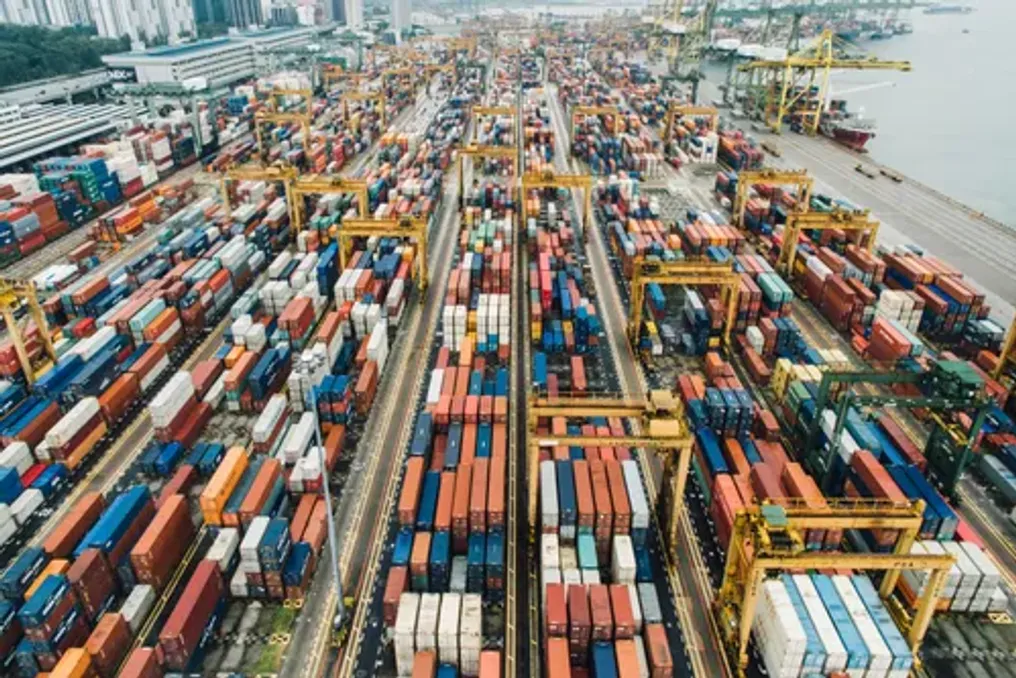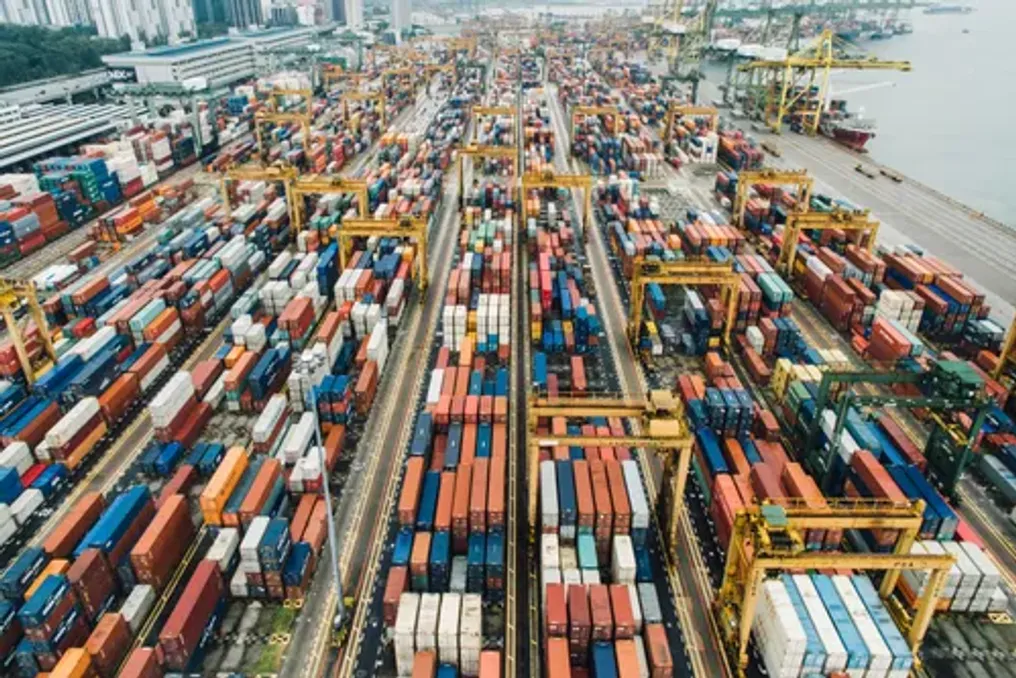
Supply chains in South Africa are facing significant disruptions caused by geopolitical tensions and growing cyber threats. As costs rise and operational difficulties increase, businesses are forced to adapt strategically to secure their future.
Supply chains in South Africa are facing significant disruptions caused by geopolitical tensions and growing cyber threats. As costs rise and operational difficulties increase, businesses are forced to adapt strategically to secure their future.
Amid uncertainty, South African companies are grappling with a changing supply chain management landscape. According to the latest CIPS Pulse Survey for Q2 2026, while concerns about supply chain disruptions have slightly eased from record highs, risks associated with geopolitical instability remain substantial. Vigilance is crucial for organizations across South Africa.
The CIPS survey results indicate that procurement and supply chain professionals are experiencing an unprecedented level of anxiety. Despite a slight decrease in short-term disruption fears, long-term issues remain alarmingly high. This suggests that businesses are adapting to a 'new normal' characterized by constant global unpredictability, rather than a stable return to previous conditions.
South Africa's strong reliance on international supply chains creates a unique set of challenges. The region's heavy dependence on imported fuel, industrial equipment, chemicals, pharmaceuticals, and various manufacturing components underscores the critical need for uninterrupted logistical operations. Key sectors such as mining, agriculture, automotive, and retail rely on these global networks to maintain competitiveness.
The CIPS survey highlighted the conflict in the Middle East as the primary source of supply chain concern, confirmed by 75% of surveyed procurement specialists. Broader geopolitical tensions (67%) and the ongoing war in Ukraine (33%) exacerbate the situation. Despite geographical distance, these conflicts significantly impact South Africa by affecting freight routes, delivery costs, energy markets, and overall supplier availability.
Another emerging issue is the escalation of cyber risks. The survey showed that cyberattacks have surpassed logistics disruptions as one of the most pressing threats for procurement professionals. There is a growing realization that incidents affecting suppliers or critical infrastructure can quickly lead to operational failures, production stoppages, and delays in vital supplies.
For South African enterprises, the consequences are serious. The survey forecasts rising costs in several critical sectors, including shipping and logistics, oil and gas, mining, chemicals and pharmaceuticals, food and beverages, and sheet metal products. These increases could lead to higher transportation expenses, increased prices for imported goods, and higher food costs, potentially putting pressure on local economies.
To cope with these numerous challenges, companies are prioritizing resilience over mere cost-cutting. Key strategies for ensuring supply continuity include diversifying suppliers, extending supplier contracts, and maintaining buffer stocks. Paul Vos, Regional Managing Director of CIPS Southern Africa, warns that although some inflationary pressures have begun to ease, the operating environment for businesses remains unpredictable. He notes: 'Organizations can no longer assume that global supply chains will return to pre-crisis norms.'
Vos emphasizes the strategic advantage that resilience can offer businesses, asserting that it is vital to develop broader supplier networks and strengthen regional sources. Furthermore, improving supply chain transparency and enhancing the importance of procurement functions within organizations can lead to more robust operational structures.
Ben Farrell MBE, Global CEO of CIPS, comments that global trade is undergoing a fundamental transformation amid these challenges. He stated: 'The tectonic plates of world trade are shifting.' As regionalization gains momentum and globalization evolves, businesses that cultivate resilient regional partnerships will be best positioned to thrive.
Moreover, the survey indicates that one-third of organizations are already feeling the impact of recent changes in US tariff policy, and another 37% are closely monitoring developments, further demonstrating how uncertainty in trade policy complicates procurement strategies alongside geopolitical turmoil.
In light of these findings, Dr. John Glenn, Chief Economist at CIPS, cautions that despite a slight easing of sentiment, concerns regarding geopolitical shocks, cyber risks, and general uncertainty remain alarmingly high, exposing economies to potential operational disruptions.
According to the latest Chartered Institute of Procurement & Supply (CIPS) Pulse Survey, companies in South Africa should not relax, as geopolitical conflicts, cyber threats, and trade uncertainty continue to pose serious risks to procurement and business operations.
The Q2 2026 study showed that while short-term concerns about supply chain disruptions have decreased compared to record highs at the beginning of the year, the level of anxiety in both the short and long term remains one of the highest ever recorded by CIPS. The findings indicate that businesses are adapting to a prolonged period of global instability rather than expecting supply chains to return to pre-pandemic norms.
For South Africa, the report highlights specific vulnerabilities related to the region's dependence on imports of fuel, industrial equipment, chemicals, pharmaceuticals, and manufacturing components. Key sectors such as mining, agriculture, automotive, and retail are heavily reliant on efficient global logistics networks.
The conflict in the Middle East remains the primary source of concern for procurement professionals worldwide, with 75% of respondents naming it the leading risk to supply chains. This is followed by broader geopolitical instability, mentioned by 67% of respondents, and the ongoing war in Ukraine, cited by 33%. Although these conflicts occur outside the region, CIPS notes that they affect freight routes, shipping costs, energy markets, and supplier availability, indirectly impacting South African businesses.
The survey also revealed that cybersecurity has become an increasingly significant issue, surpassing logistics disruptions as one of the top three risks expected to affect supply chains over the next 12 months. Procurement specialists warn that cyberattacks targeting suppliers, logistics operators, or critical infrastructure can quickly disrupt production schedules and delay deliveries.
Furthermore, the report points to persistent price pressure in several sectors. Procurement leaders forecast raw material price increases of over 10% in transportation and logistics, oil and mining, chemicals and pharmaceuticals, food and beverages, and sheet metal products. For South African businesses, this could translate into increased transport costs, higher prices for imported goods and manufacturing components, as well as rising food prices and increased costs for mining operations.
Despite constant price pressure, organizations are increasingly prioritizing resilience over cost savings. Among the most common strategies employed by businesses to ensure supply continuity are supplier diversification, extending supplier contracts, and maintaining buffer stocks.
Paul Voss, CIPS Regional Managing Director in South Africa, noted that the survey results reflect the reality faced by procurement professionals in the region. He stated that although inflationary pressures in some areas have eased, the operating environment remains extremely unpredictable, and companies can no longer assume that global supply chains will simply revert to their previous state after a series of geopolitical crises. Voss added that procurement functions are transforming from a simple cost control tool into a strategic function.
He emphasized that for South African organizations, resilience is becoming a competitive advantage. This involves developing broader supplier networks, strengthening regional sourcing where appropriate, improving end-to-end supply chain transparency, and ensuring that procurement is viewed as a strategic function within the business. Voss also noted that companies investing in sustainable procurement practices will be better prepared to leverage the expansion of intra-African trade under the African Continental Free Trade Area, while more effectively managing future disruptions.
CIPS Global CEO Ben Farrell stated that the landscape of world trade is undergoing a fundamental transformation. He remarked: 'The tectonic plates of world trade are shifting. The world we knew is gone. Regionalization is growing, globalization is transforming, and those organizations that build resilient regional partnerships will be best positioned to thrive.'
The survey also showed that one-third of organizations are already feeling the impact of changing US tariff policies, and another 37% are closely monitoring developments, highlighting how uncertainty in trade policy continues to shape procurement decisions alongside geopolitical tensions. CIPS Chief Economist, Dr. John Glenn, cautioned that while business sentiment has slightly improved, the current level of anxiety remains historically high, indicating that the global economy continues to face significant geopolitical, cyber, and supply chain risks.
South Africa consistently supports the idea of a united Africa, once envisioned by the country's founder and global icon Nelson Mandela. Mandela dreamed of a unified Africa capable of overcoming common challenges and realizing its vast potential through joint action. He emphasized that continental development is impossible through the actions of individual nations.
The principle of unity has guided South Africa's activities since the dawn of democracy. The country strives to strengthen cooperation on the continent and raise Africa's voice on the world stage, advocating not only for unity but also creating institutions and partnerships to realize it.
Through the African Union and the United Nations, South Africa participates in peacekeeping missions, conflict mediation, and post-conflict reconstruction. Significant interventions in Burundi, Sudan, and the Democratic Republic of Congo have contributed to stabilization and the creation of conditions for sustainable development.
Concurrently, South Africa utilizes its presence in global platforms such as the G20, G7, BRICS, and the UN to shift discussions that often exclude the African perspective. The country actively promotes reforms of international financial institutions, improved access to development finance, and debt relief, thereby helping Africa become an influential voice in shaping a more equitable world order.
Beyond diplomatic efforts, South Africa's most significant contribution lies in supporting continental economic integration. The African Continental Free Trade Area (AfCFTA) offers an unprecedented opportunity to create the world's largest free trade zone, uniting over 1.3 billion people with a combined GDP exceeding $3.4 trillion.
South Africa is one of the largest sources of foreign direct investment on the continent, with South African companies playing a vital role in banking, telecommunications, retail, mining, energy, manufacturing, and logistics sectors. These investments stimulate economic growth in host countries by creating jobs, transferring skills and technology, expanding access to financial and communication services, and strengthening local supply chains.
Under AfCFTA, South Africa also helps reduce non-tariff barriers hindering intra-African trade. By simplifying market access requirements and reducing administrative costs, the country creates a more favorable environment for goods from other African countries in the South African market, which promotes increased trade, industrialization, and the development of regional value chains.
At a more local level, South Africa's partnerships with neighboring states deepen regional integration. A recent state visit to Mozambique strengthened cooperation in trade, infrastructure, and energy, building on the successes of the Maputo Corridor. Cooperation with Botswana has also reinforced economic ties within the Southern African Development Community (SADC) and the Southern African Customs Union (SACU).
Within SADC and SACU, South Africa promotes an industrial strategy supported by the SACU Industrial Development Action Plan and the SACU Development Fund. These tools aim to help the region climb into global value chains by financing critical infrastructure, supporting industrialization, and creating jobs. This economic cooperation is also based on long-standing alliances, such as the Binational Commission of South Africa and Nigeria, established in 1999.
The Commission connects the continent's two largest economies through more than 34 bilateral agreements aimed at expanding trade, deepening investment, and strengthening industrial integration. These bilateral efforts are part of a broader strategy to build a more integrated and competitive African economy. Through transformative initiatives like the North-South Corridor Development, South Africa facilitates the development of roads, railways, ports, and digital networks necessary for the full realization of AfCFTA potential. Furthermore, its role as the host of the Pan-African Parliament in Midrand, Gauteng, provides a constant platform for harmonizing legislation and strengthening democratic governance across borders.
South Africa's commitment to the continent is most evident in moments of crisis when solidarity must translate into action. When catastrophic floods and Cyclone Idai struck Mozambique, Malawi, and Zimbabwe, South African rescue teams provided vital on-the-ground assistance.
During the COVID-19 pandemic, South Africa led calls for global equity in vaccine access and advocated for localized medical production when vaccine nationalism threatened to leave developing countries behind. This leadership earned the country the title of African Union Champion for Pandemic Prevention, Preparedness, and Response.
Working with African Centres for Disease Control and Prevention, South Africa continues to strengthen healthcare systems, support the African Medicines Agency, and promote coordinated procurement systems to improve access to essential medical supplies. Its pledge to allocate $13.5 million to the African CDC to aid in treating and containing the recent Ebola outbreak reflects a broader commitment to supporting Africa's capacity to collectively respond to shared challenges.
More than three decades after achieving democracy, South Africa remains dedicated to Mandela's vision of an Africa united by purpose, confident in its potential, and determined to build a future of prosperity and opportunity for all its people.
South Africa is at a critical juncture in its democratic journey. Thirty-two years after establishing democracy, the country has achieved significant successes, building democratic institutions and protecting constitutional rights, demonstrating to the world that a deeply divided society can choose reconciliation over revenge.
However, history teaches that the fate of a nation is determined not only by its past but also by its future. Therefore, the article's author suggests posing a complex but necessary question: who will lead South Africa over the next twenty years, and are we preparing suitable leaders for the desired future? It is also important to define the qualities these leaders must possess.
For a long time, the national dialogue focused on dismantling apartheid, promoting reconciliation, and correcting historical injustices. These themes remain relevant as inequality persists and the promise of economic inclusion has yet to be fulfilled.
Nevertheless, the new generation of South Africans faces different anxieties. Parents worry about job security in five years, youth doubt whether a university degree guarantees employment, and entrepreneurs question the possibility of competing with long-established companies. Families struggle with the rising cost of living, tuition, healthcare, transport, and housing. Society lives in constant fear of violent crime, drugs, gender-based violence, and deteriorating public services. These issues have become today's reality, not tomorrow's problems.
Each generation inherits its national task. If parents fought for political freedom, the current generation must ensure economic opportunities. Political freedom without economic participation leaves millions of citizens excluded from democratic promises. Economic growth has ceased to be solely an economic issue; it is a social, familial, and national stability concern. Without genuine economic inclusion, inequality widens, frustration deepens, and hope slowly fades. Consequently, leadership must evolve alongside societal challenges.
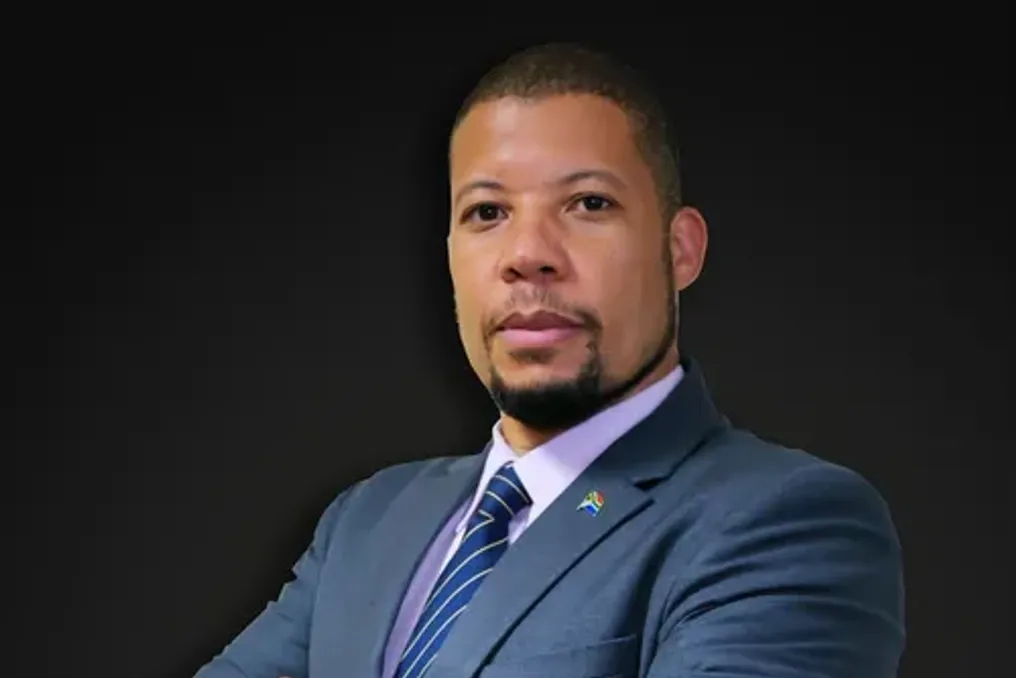
As a Black entrepreneur, the author often reflects on the real state of affairs in the South African economy. Imagine starting a business over ten or fifteen years, and then compare that to competing against a company that has existed for fifty years, strengthened by generations of accumulated assets, capital, equipment, intellectual property, supplier networks, and financial reserves. Although both companies should compete under equal commercial conditions, their starting points are different. This situation does not require special privileges, but rather an acknowledgment that true transformation requires creating an environment where new enterprises have a real chance to grow into globally competitive organizations. Supporting entrepreneurship should be viewed not as charity, but as a national economic strategy, as today's small businesses are tomorrow's large employers.
The world is changing faster than at any point in modern history. Artificial intelligence is transforming industries, automation is reshaping production, and digital technologies are altering government operations, business competition, and the education system. Climate change affects agriculture, infrastructure, and public health, while cybersecurity has gained importance comparable to national security. Countries like China continue to invest heavily in innovation, advanced manufacturing, and technology, while the United States remains a global leader in research and entrepreneurship. European and Asian countries are also investing in future industries, scientific research, and digital infrastructure. South Africans must answer a simple question: what place does our country hold in this rapidly changing global landscape? Are we preparing our youth for the jobs of tomorrow? Do our educational systems meet the demands of the future economy? Are we investing enough in science, engineering, technology, entrepreneurship, and innovation?
Modern leadership requires more than just political experience; it requires understanding how ordinary families live. Parents worry not only about elections but also about mortgage payments, health insurance, the ability to cover educational expenses if they earn too much for aid but not enough to afford it comfortably themselves. They are concerned about children's safety in schools, the infiltration of drugs into communities, unreliable public infrastructure, healthcare, and crime. Good governance begins with understanding these daily realities, as politics only matters when it improves people's lives.
One of the main weaknesses of modern politics is the tendency to think only until the next election. Great nations are built by leaders who plan twenty or thirty years ahead. Singapore was not built in five years, China's economic transformation took decades, and South Korea consistently invested in education and industrial development. Rwanda engages in long-term national planning. Successful states create institutions that outlive individual leaders. South Africa must adopt the same approach so that national development does not depend solely on personalities but is based on a shared vision that withstands changes in political leadership.
Perhaps our biggest mistake is asking if we have good leaders before deciding what leadership should look like. Before choosing leaders, the qualities they must possess need to be agreed upon. South Africa needs leaders with impeccable integrity who understand the economy as deeply as they understand politics. They must embrace technology and innovation, value education, and encourage entrepreneurship rather than hindering it. They must be able to unite diverse communities around a common national goal, welcome accountability rather than fearing it, make evidence-based decisions, and invest in the next generation, not in short-term popularity. Most importantly, there is a need for leaders who genuinely understand that every political decision ultimately affects the families around the dinner table across the country.
Imagine a South Africa where unemployment has sharply decreased due to the flourishing of entrepreneurship. Imagine schools graduating world-class students. Imagine safer communities, top-tier digital infrastructure, and public service based on professionalism, not patronage. Imagine an economy where innovation is one of the greatest export goods, and young South Africans choose to build their future here because they believe this country offers opportunities equal to any other nation. This vision is achievable, but it will require exceptional leadership.
Perhaps we have been asking the wrong question all along. Instead of asking, 'Who should lead South Africa?', we should first ask: 'What kind of leadership will allow South Africa to compete, thrive, and inspire confidence by 2040?' Only by answering this question honestly can we begin to define, develop, and elect leaders capable of realizing this vision. The future of South Africa is not predetermined by chance; it will be shaped by today's choices. History will one day ask what our generation did in the face of uncertainty. The author hopes that our answer will be to choose to think beyond politics, beyond personalities, and beyond the next election, choosing to build a nation whose greatest legacy is not merely surviving democracy, but ensuring opportunity, dignity, and hope for every subsequent generation.