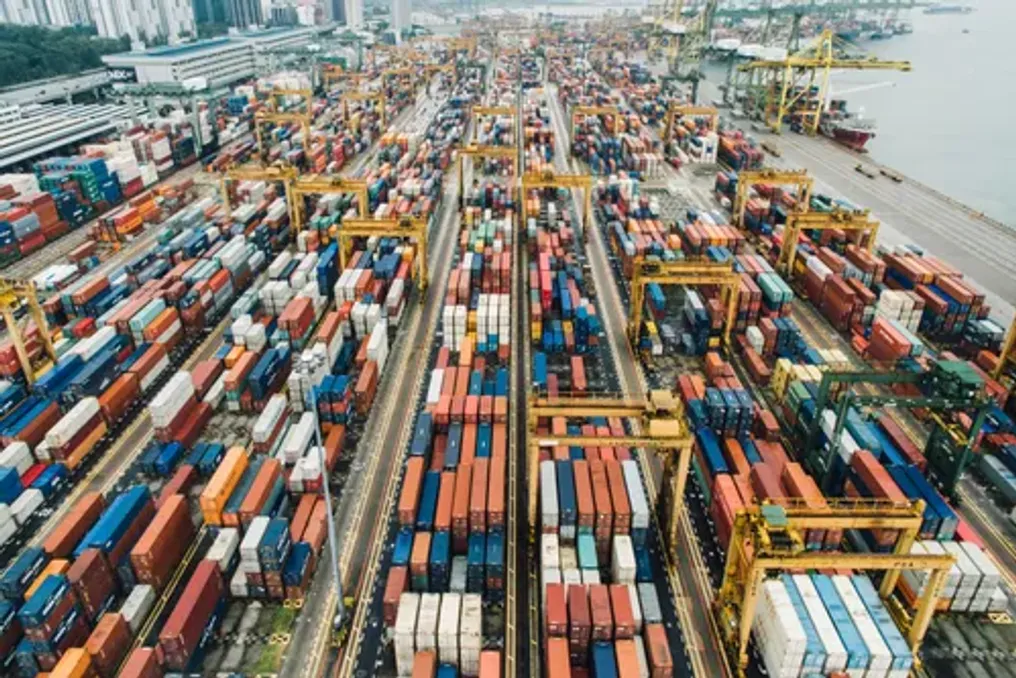
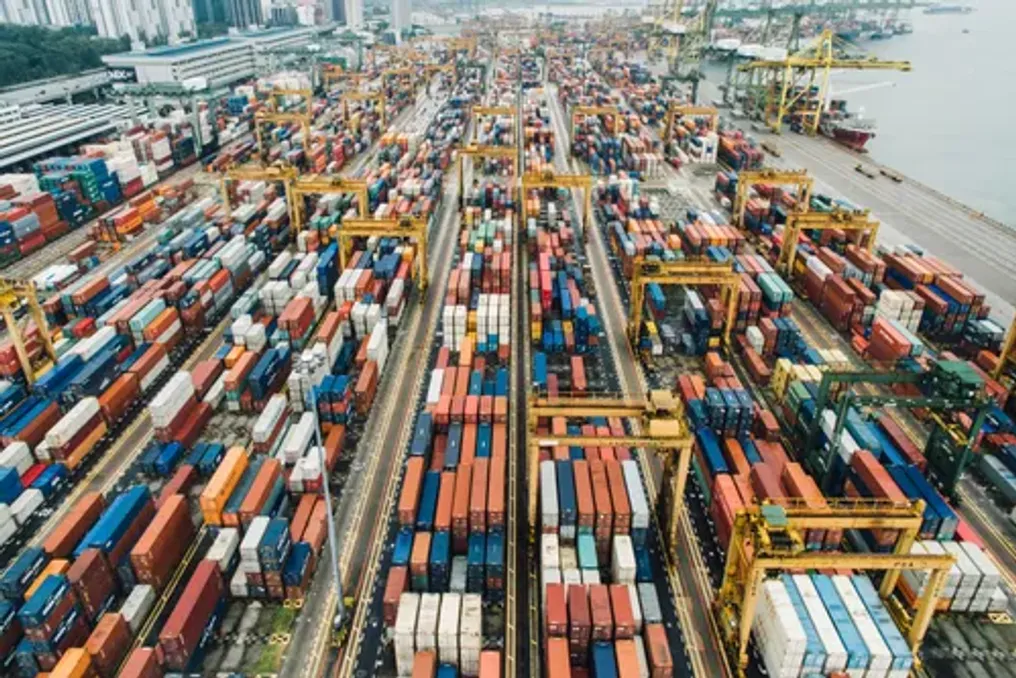
Supply chains in South Africa are facing significant disruptions caused by geopolitical tensions and growing cyber threats. As costs rise and operational difficulties increase, businesses are forced to adapt strategically to secure their future.
Overview of the Situation in South Africa
Amid uncertainty, South African companies are grappling with a changing supply chain management landscape. According to the latest CIPS Pulse Survey for Q2 2026, while concerns about supply chain disruptions have slightly eased from record highs, risks associated with geopolitical instability remain substantial. Vigilance is crucial for organizations across South Africa.
The CIPS survey results indicate that procurement and supply chain professionals are experiencing an unprecedented level of anxiety. Despite a slight decrease in short-term disruption fears, long-term issues remain alarmingly high. This suggests that businesses are adapting to a 'new normal' characterized by constant global unpredictability, rather than a stable return to previous conditions.
External Factors and Regional Dependencies
South Africa's strong reliance on international supply chains creates a unique set of challenges. The region's heavy dependence on imported fuel, industrial equipment, chemicals, pharmaceuticals, and various manufacturing components underscores the critical need for uninterrupted logistical operations. Key sectors such as mining, agriculture, automotive, and retail rely on these global networks to maintain competitiveness.
The CIPS survey highlighted the conflict in the Middle East as the primary source of supply chain concern, confirmed by 75% of surveyed procurement specialists. Broader geopolitical tensions (67%) and the ongoing war in Ukraine (33%) exacerbate the situation. Despite geographical distance, these conflicts significantly impact South Africa by affecting freight routes, delivery costs, energy markets, and overall supplier availability.
New Threats and Economic Consequences
Another emerging issue is the escalation of cyber risks. The survey showed that cyberattacks have surpassed logistics disruptions as one of the most pressing threats for procurement professionals. There is a growing realization that incidents affecting suppliers or critical infrastructure can quickly lead to operational failures, production stoppages, and delays in vital supplies.
For South African enterprises, the consequences are serious. The survey forecasts rising costs in several critical sectors, including shipping and logistics, oil and gas, mining, chemicals and pharmaceuticals, food and beverages, and sheet metal products. These increases could lead to higher transportation expenses, increased prices for imported goods, and higher food costs, potentially putting pressure on local economies.
Strategies for Ensuring Resilience
To cope with these numerous challenges, companies are prioritizing resilience over mere cost-cutting. Key strategies for ensuring supply continuity include diversifying suppliers, extending supplier contracts, and maintaining buffer stocks. Paul Vos, Regional Managing Director of CIPS Southern Africa, warns that although some inflationary pressures have begun to ease, the operating environment for businesses remains unpredictable. He notes: 'Organizations can no longer assume that global supply chains will return to pre-crisis norms.'
Vos emphasizes the strategic advantage that resilience can offer businesses, asserting that it is vital to develop broader supplier networks and strengthen regional sources. Furthermore, improving supply chain transparency and enhancing the importance of procurement functions within organizations can lead to more robust operational structures.
Ben Farrell MBE, Global CEO of CIPS, comments that global trade is undergoing a fundamental transformation amid these challenges. He stated: 'The tectonic plates of world trade are shifting.' As regionalization gains momentum and globalization evolves, businesses that cultivate resilient regional partnerships will be best positioned to thrive.
Moreover, the survey indicates that one-third of organizations are already feeling the impact of recent changes in US tariff policy, and another 37% are closely monitoring developments, further demonstrating how uncertainty in trade policy complicates procurement strategies alongside geopolitical turmoil.
In light of these findings, Dr. John Glenn, Chief Economist at CIPS, cautions that despite a slight easing of sentiment, concerns regarding geopolitical shocks, cyber risks, and general uncertainty remain alarmingly high, exposing economies to potential operational disruptions.