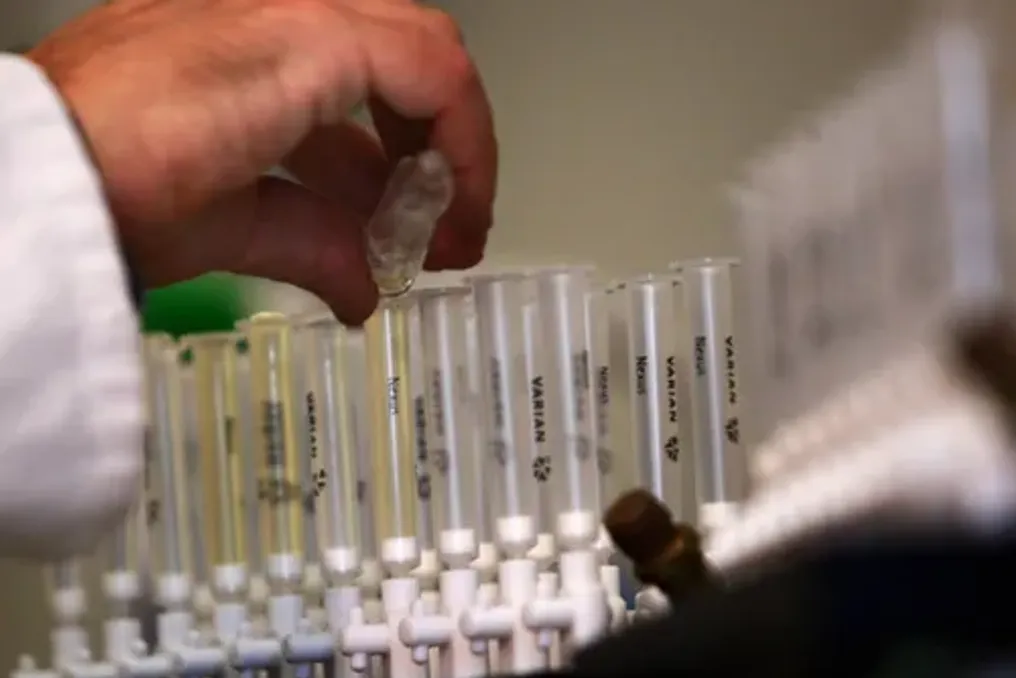
The Western Cape Province has become the first in South Africa to launch a public toxicology laboratory, achieving international accreditation.
Accreditation and its Significance
The Department of Health's forensic toxicology laboratory in the Western Cape received ISO/IEC 17025 accreditation following an assessment conducted by the South African National Accreditation System (SANAS). This marks a significant step forward for forensic science in the country. The laboratory is located at the Observatory.
This accreditation covers methods for detecting carbon monoxide poisoning, as well as identifying and measuring drugs in forensic samples. These analyses are used in investigating fires, suspected poisonings, possible drug overdoses, and sudden or unexplained deaths.
Assistance to Families and Justice
Mireille Wenger, Minister of Health and Wellness for the Western Cape, noted that forensic toxicology can provide answers to families when the cause of death is not obvious. She emphasized that toxicology plays a vital role in uncovering circumstances in such cases.
Wenger stated that the accreditation guarantees independent confirmation that the toxicological data obtained by the unit meets internationally recognized standards. The results of these studies are used by forensic pathologists, police investigators, prosecutors, and courts in medico-legal and criminal investigations.
Structure and Quality of Work
The forensic toxicology unit is part of the Provincial Department of Health and Wellness's Forensic Pathology Service and supports death investigations in the Western Cape. Toxicologists work directly within the Forensic Pathology Service, which has improved collaboration, increased testing reliability, and reduced turnaround times for results.
Although testing was conducted before receiving certification, the accreditation independently confirms that the laboratory's methods and quality control meet international requirements. Before accreditation, the method undergoes rigorous testing to determine its accuracy, sensitivity, specificity, and reliability. The laboratory also participates in international proficiency testing and conducts continuous quality assurance assessments.
Commitment to Quality
Chief Forensic Toxicologist and Scientific Manager of the unit, Bronwen Davis, stated that the accreditation demonstrates a commitment to maintaining reliable services and continuously improving the laboratory's operations. She called this achievement a promise of quality and reliability, strengthening the Western Cape's healthcare system.
Wenger added that forensic pathology stands at the intersection of healthcare and the justice system. The work of scientists helps authorities determine causes of death, support investigations, and identify new public health threats, which is an important confirmation of the quality of forensic science in the Western Cape's public sector.