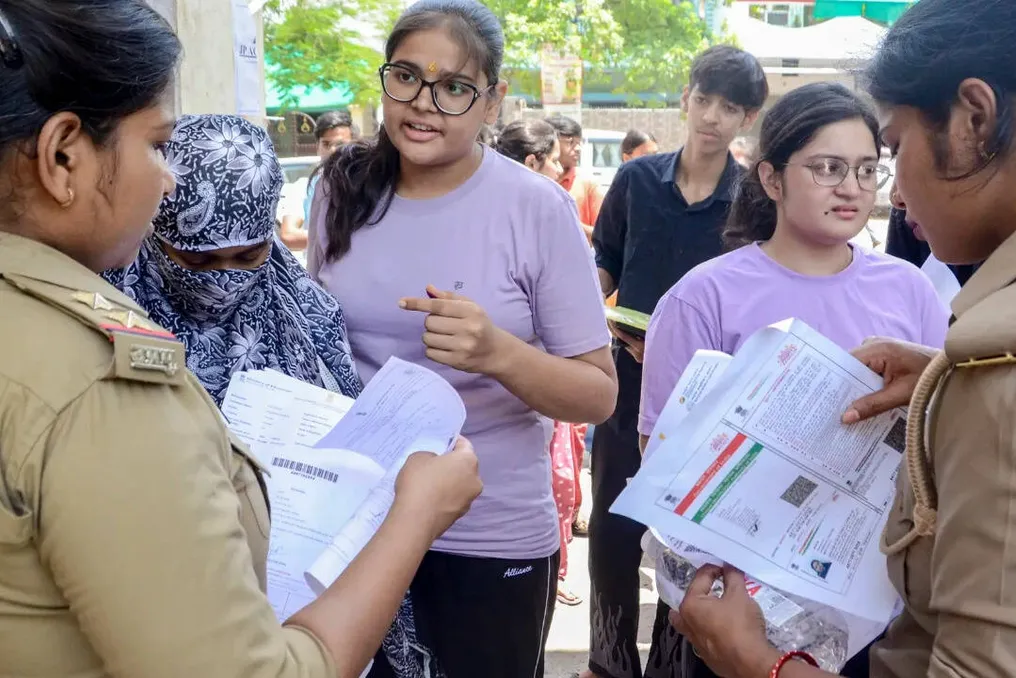
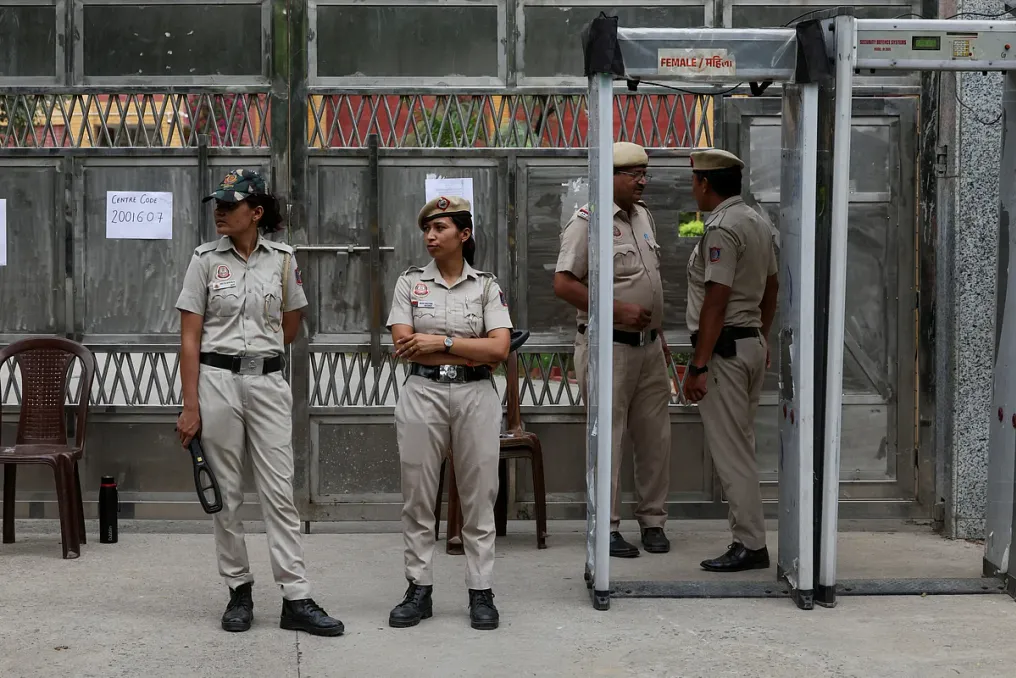
A new scandal has emerged in India concerning the results of the Neet-UG 2026 retest after the scores of millions of students were published on July 16. Students, who were already distressed by the leak of Neet examination materials, began raising concerns on social media regarding alleged errors and discrepancies in the OMR (Optical Mark Recognition) answer sheets.
NTA's Reaction to Complaints
Some users on X reported sending emails to NTA India but received no response, although the Khaleej Times could not independently confirm these claims. On July 19, NTA stated that it is closely monitoring and verifying all received complaints, and also suggested that many OMR sheets might be either forged or generated by artificial intelligence.
The agency added that using fake or AI-generated OMRs could lead to legal prosecution and advised students and parents to provide original OMR sheets.
Context of the Neet-UG Scandal
The National Testing Agency (NTA) of India conducted a national-level retest on June 21 because the initial exam, held on May 3, was cancelled due to material leaks. In the context of the Neet-UG 2026 scandal, at least 13 people have been arrested, including chief organizer PV Kulkarni, a chemistry teacher who participated in conducting the exam on behalf of NTA India. He allegedly dictated questions with options and correct answers during special tutoring sessions at his residence.
Protests and Activism
The Neet-UG scandal, along with other educational issues, has led to the formation of the satirical 'Munchy Janta Party' and mass protests from students and their supporters. Demonstrators are demanding the resignation of India's Minister of Education, Dharmendra Pradhan. Leading Indian activist Sonam Wangchuk joined the protests and announced his intention to undertake an indefinite hunger strike in solidarity with CJP. However, Delhi authorities in India admitted Sonam Wangchuk to the hospital after his condition deteriorated on the 21st day of the fast.