While South Africa's 'Big Five' has attracted travelers for over a century, the term, originally coined by hunters to describe the five most dangerous animals to hunt on foot, has transformed into one of the country's most recognizable natural icons.
However, conservation workers and guides are increasingly encouraging tourists to pay attention to the amazing biodiversity hidden right under their feet, rather than focusing on large predators.
The Concept of the 'Little Five'
'Cape's Little Five' is a playful response to the famous 'Big Five.' Instead of emphasizing size and strength, this concept highlights some of the smallest yet incredibly interesting creatures of the Western Cape. These species demonstrate the astonishing diversity of the Cape Floristic Region, which is one of the world's biodiversity hotspots.
Discovering all five requires patience and curiosity, but the reward is the discovery of nature's often overlooked side.
How to Find Representatives of the 'Little Five'
Each species in this group deserves attention as they contribute to the region's complex ecosystem.
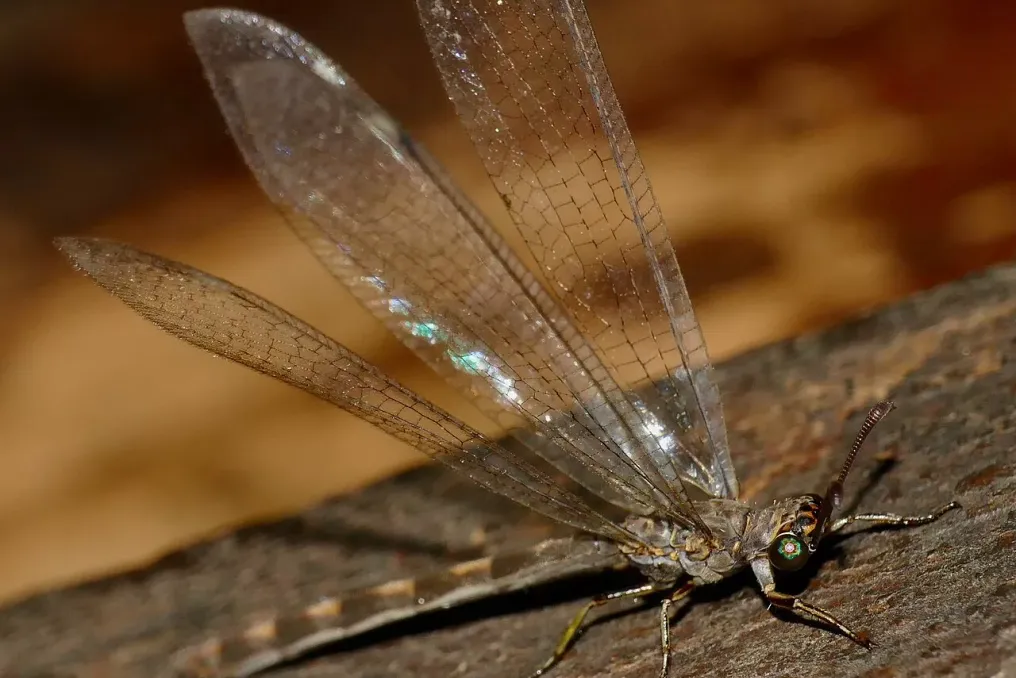
Antlion
Despite its intimidating name, the antlion spends most of its life under loose sand, waiting for careless ants to fall into its skillfully crafted trap. The most common stage is the larva, which uses its body as a miniature excavator, forming a neat conical pit. When an ant slides across the sand, the antlion lifts the sand to prevent the victim from escaping, and then drags it underground.
To identify them, look for perfectly round funnel-shaped pits in dry sandy areas under trees or overhangs. The insect itself is rarely visible unless the trap is disturbed. Adult antlions resemble fragile dragonflies, although they bear little resemblance to the fierce hunters they were in the larval stage.
Where to Look for Antlions
Locations for searching include the West Coast National Park, De Hoop Nature Reserve, and the sandy trails of Cape Point.
Giraffe Weevil
The giraffe weevil, also known as a sengie, is one of Cape's most charming mammals due to its elongated snout and swift movements. Despite its small size, it is closer to elephants than to true shrews.
These animals feed mainly on insects and spend most of the day moving quickly between shrubs along well-trodden paths that they create through dense vegetation. The best time for observation is early morning, before the temperature rises.
Where to Look for Giraffe Weevils
Habitats include Table Mountain National Park, Cape Point, and the wild areas of the Cederberg.
Buffalo Weaver
Although buffalo weavers are more commonly associated with the drier inland regions of South Africa, small populations are found in parts of the Western Cape where suitable habitat exists. Their haphazard communal nests and loud nature make them one of the easiest members of the 'Little Five' to recognize.
Unlike many birds that build meticulously neat nests, buffalo weavers construct extensive bundles of branches in which several birds can reside simultaneously. To spot them, it is best to first listen to their loud, chatty calls, and then look for large branch nests in thorny trees.
Where to Look for Buffalo Weavers
They can be found in the West Coast National Park, the Cederberg, and areas with dry fynbos and scrub.
Leopard Tortoise
The leopard tortoise is the largest tortoise species in South Africa and perhaps the easiest member of the 'Little Five' to spot. It gets its name from the bright black markings on its shell, not from similarity to big cats. This docile reptile plays an important role as a herbivore, helping to maintain plant health.
These calm animals spend most of the day feeding on grass, succulents, and flowering plants, then retreat into the shade during the hottest hours. Leopard tortoises become more active when fresh vegetation appears after rain. Their shell has a high domed shape and is covered with bold black and yellow patterns.
Where to Look for Leopard Tortoises
Observation sites include De Hoop Nature Reserve, West Coast National Park, and Grottbos Private Nature Reserve.
Rhinoceros Beetle
Perhaps Cape's most impressive insect, the rhinoceros beetle possesses a remarkable horn that gives it its name. Males use these horns to fight rivals during mating season, although they pose no threat to humans. These beetles perform an important ecological function by helping to decompose dead plant matter and return nutrients to the soil.
They can be seen in warm months, especially near decaying wood or after summer rain. Rhinoceros beetles are capable of lifting objects many times their own weight, making them among the strongest animals on Earth relative to their size.
Where to Look for Rhinoceros Beetles
Habitats include Grottbos, Table Mountain National Park, the Cederberg, and De Hoop Nature Reserve.
The Importance of Ecosystems
Healthy ecosystems depend on much more than just charismatic megafauna. Every antlion, tortoise, beetle, bird, and giraffe weevil contributes to the complex web of life that makes the Cape Floristic Region one of the world's greatest natural wonders. Sometimes the most memorable wildlife encounters happen not when you look far away, but when you simply look a little closer.