Spain defeated Argentina 1-0 in extra time at MetLife Stadium in New York during the 2026 World Cup final. The goal scored by Ferran Torres brought the trophy to Spain and concluded Lionel Messi's legendary World Cup journey.
Spain defeated Argentina 1-0 in extra time at MetLife Stadium in New York during the 2026 World Cup final. The goal scored by Ferran Torres brought the trophy to Spain and concluded Lionel Messi's legendary World Cup journey.
Beyond the on-field sporting events, the atmosphere outside the pitch turned the 2026 final into a significant cultural event. Millions of viewers watched the viral broadcast hosted by Trevor Noah. The South African comedian joined singer Ed Sheeran for a joint online viewing, which attracted enormous attention.
Noah joked, saying: 'He could be anywhere in the world, but he's sitting here with us.' The light interaction between the two artists created the feeling that they were just watching the game on the couch, rather than global stars performing before millions of viewers.
The dialogue culminated when Trevor expressed his support for Spain, explaining it through his affection for the young talent Lamine Yamal. Knowing how much Mzansi loves the British performer, Noah asked local fans: 'When are you coming back to South Africa?' Sheeran's answer became a source of disappointment for local fans.
He explained that his children were about to start school and announced plans to reduce the intensity of international tours to stay closer to home in England. He added that he felt Mzansi was tired of being perceived as an 'old house' for international artists, and that they needed the energy of stars at the peak of their careers.
The final will also be remembered for the fact that the football stadium was transformed into a massive global concert. For the first time in World Cup history, there was an official halftime show. This performance was organized by Chris Martin of Coldplay in collaboration with Global Citizen and supported the Global Citizen FIFA Education Fund. Artists such as Justin Bieber, Madonna, Shakira, BTS, and Nigerian artist Burna Boy participated, supported by the Los Angeles Philharmonic Orchestra.
The party continued after the final whistle. The closing ceremony maintained a high tempo thanks to performances by Post Malone, Jennifer Hudson, and internet sensation IShowSpeed. By the time Spain lifted the cup, the tournament demonstrated the World Cup's ability to unite people from all over the world, including world-famous personalities.
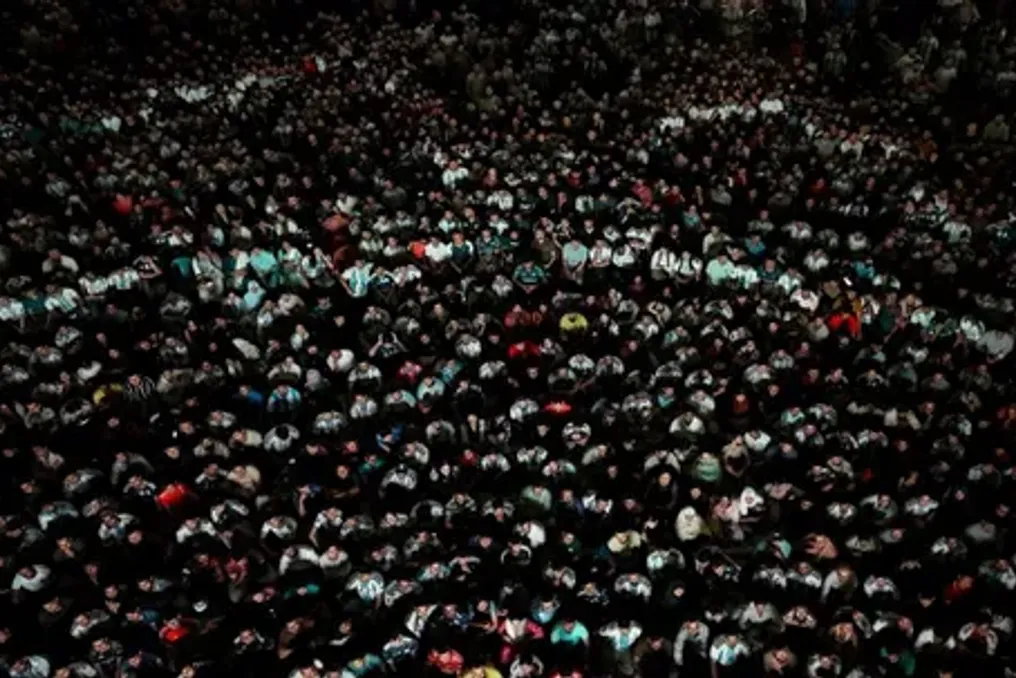
The hopes of Argentine fans in Buenos Aires for an epic comeback led by Lionel Messi in the FIFA World Cup were dashed after the team lost to Spain with a score of 1-0. The atmosphere of nervous excitement and loud cheers turned into mournful groans, tension, and tears.
At the Cafe Relax bar in the historic center of Buenos Aires, fans expressed deep sadness, crying after the final whistle, believing this was likely 39-year-old Messi's last chance to participate in the World Cup. One visitor, 22-year-old architecture student Camilo Chichero, shared his feelings: 'I feel emptiness. Emptiness because of Messi, because I won't see him in the World Cup anymore. This is the last one.' His friend Juan Saenz, a 22-year-old law student, added that it was the end of the Messi era, as he was born while Messi was playing.
Despite the defeat, not everyone was in tears. Fireworks lit up the city, car horns sounded, and thousands of fans headed to the famous Obelisk, a traditional site for football celebrations. Initially disappointed, they soon began celebrating their team, and many stated that despite the loss, they would take to the streets on Monday to meet the team.
President Javier Milei wrote on X, thanking the players: 'Thank you very much, players! You fought until the end. Argentina will always stand proud.'
Before the match, Argentinians, dressed in national uniforms and flags, arrived at bars and public squares in New Jersey on a cold day, full of excitement.
At the Cafe Relax bar, where a flag reading 'do not forget' about the Falkland Islands, which Argentina occupied in 1982, the atmosphere intensified until halftime. In the second half, excited shouts gave way to angry outbursts, and profanity became more frequent. Some spectators sat with their arms crossed, tapping their feet or hiding their heads in the flag.
Before extra time, 87-year-old Teresa Dolores del Rio Varela expressed concern, noting that the match was dragging on and she wanted it to end quickly. Joaquin Romero, a 22-year-old salesman, considered the game 'incredibly difficult' but remained optimistic, stating: 'We are Argentinians. We are champions, and we will win.'
However, this did not happen. Fernando Torres' dramatic goal in extra time plunged the bar into silence for the last agonizing minutes. Chichero expressed regret for Messi but disappointment with the game, saying: 'I didn't like Argentina's game. I didn't like the game plan, the substitutions, the players. I didn't like the referee.'
62-year-old pensioner Abel Torres, who played the juggler and made vuvuzela sounds throughout the match, shed tears, describing the game as 'incredibly emotional.' He noted that Argentina gave everything, demonstrating that despite difficulties, the team always rises again.