The U.S. Food and Drug Administration (FDA) granted approval on Thursday, the 16th, to Enlicitide. This medication was developed by Merck with the goal of lowering LDL cholesterol, which is classified as the type most linked to cardiovascular risks.
Mechanism of Action and Benefits
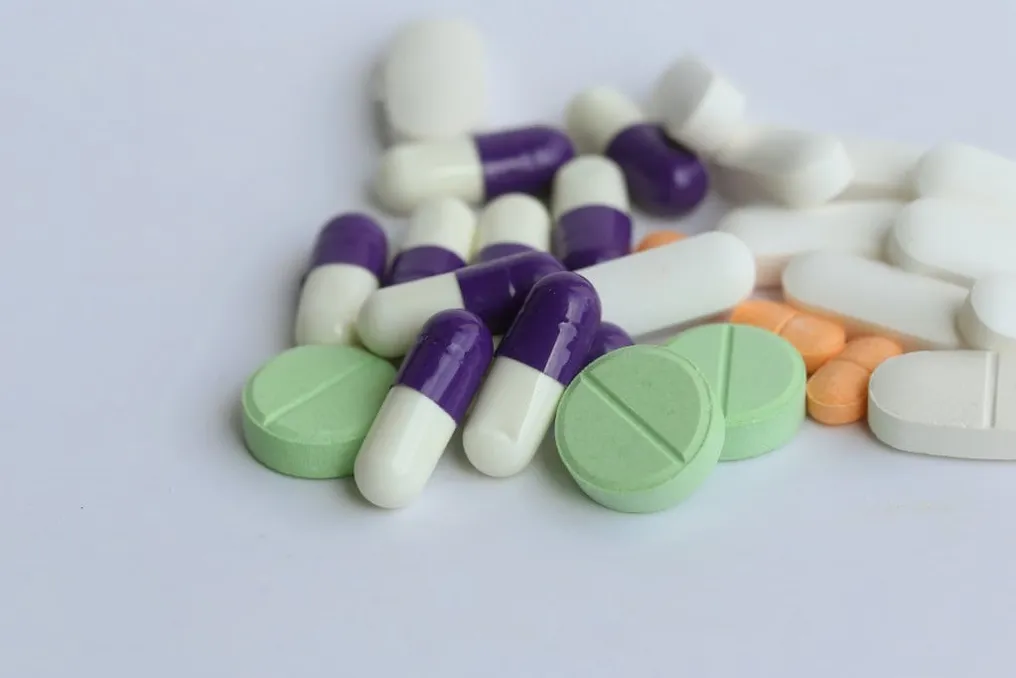
Marketed under the name Lipfendra, this tablet should be used daily and works by acting on the PCSK9 protein. According to clinical trial data presented by the company itself, Lipfendra has the potential to reduce LDL levels to values close to or even below 60.
This new therapeutic approach enters the American market offering a simpler administration alternative compared to current PCSK9 inhibitors, which require injection. This is expected to simplify treatment for patients at high risk of suffering a heart attack or stroke.
Availability and Costs
Lipfendra will be available as a daily tablet, prescribed by primary care physicians. Merck announced that the established list price will be US$ 315 for a package containing 30 days of treatment, with an expected arrival in the coming weeks.
Although it belongs to the same category as existing PCSK9 inhibitors, the main distinction of Lipfendra lies in its oral route of administration. Current injectable treatments have list prices ranging between US$ 500 and US$ 600 monthly or more.
Current Use and Clinical Studies
Despite the effectiveness of injectable medications, only a small fraction of eligible patients use this therapy; the article points out that only about 1% of the six million eligible people use the available products.
Previous studies with injectable inhibitors showed a 20% decrease in the incidence of serious cardiovascular events in high-risk patients. Merck is conducting additional research to confirm whether Lipfendra will achieve the same effect in preventing strokes, heart attacks, and deaths related to cardiovascular problems.
The company's preliminary results came from a clinical study involving 2,912 participants over 24 weeks. This research demonstrated a drop of up to 60% in LDL cholesterol and found no significant differences in side effects between patients who took the medication and those who received a placebo.
Medical Recommendations and Perspectives
The observed reduction corroborates findings already documented with the injectable versions of this therapeutic class. However, the direct benefit in preventing cardiac events awaits the completion of specific studies conducted with the new tablet.
Recent guidelines from the American Heart Association and the American College of Cardiology suggest stricter LDL targets for higher-risk groups. Individuals with above-average risk should aim for levels below 70, while patients classified as high risk, such as those who have had a heart attack, should keep levels below 55.
Dean Li, President of Merck Research Laboratories, stated that the company aims to make cholesterol control with Lipfendra as simple as using statins, the traditional drugs for lowering cholesterol. According to him, primary care physicians will be able to prescribe the therapy without needing a specific referral to cardiologists.
Expert Opinions
External experts at Merck expect that the introduction of a more accessible and practical tablet will increase the number of treated patients. Christopher Cannon, a cardiologist at Brigham and Women’s Hospital in Boston, positively assessed the approval in an interview cited by the newspaper.
David Maron, a preventive cardiologist at Stanford University, also highlighted the economic potential of this new option. In a reproduced statement, he compared the cost of the tablet to the value of currently available injectable treatments, stating that this would represent a major financial improvement over PCSK9 injectable inhibitors.
As of now, there is no information regarding a possible price reduction by manufacturers of PCSK9 injectable drugs after the entry of this new competitor into the market.