The 2026 Football World Cup was supposed to be an opportunity for Iran to change its history. As the tournament expanded to 48 teams, the Melli squad entered the competition believing it was their best chance to reach the playoffs. However, the team returned home with disappointment, unresolved questions, and renewed discussions about the national team's future path.
Key Match Against New Zealand
The decisive moment of Iran's campaign was the match against New Zealand. As the team with the lowest FIFA ranking in the tournament, New Zealand represented a game that Iran simply had to win. This is the kind of match that distinguishes ambitious squads from those content with mere participation. Nevertheless, the Melli squad failed to seize the opportunity, leaving too many tasks for the remaining games.
Logistical Difficulties in North America
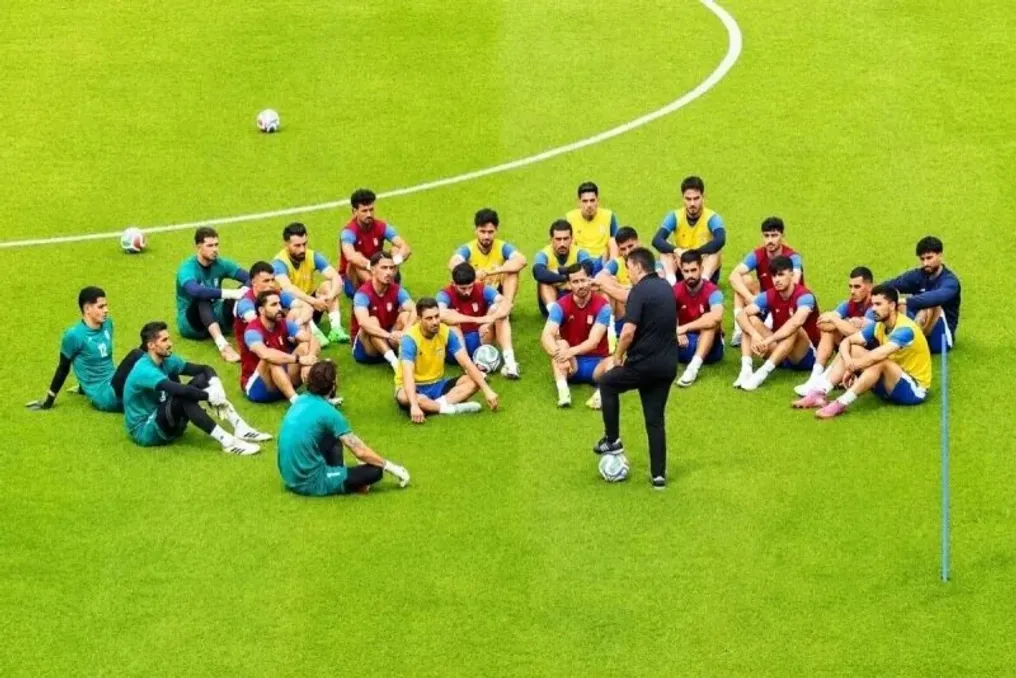
It cannot be denied that Iran's journey across North America was not easy. The team faced significant logistical problems. After every match, players had to return to Tijuana, Mexico, where their training base was located. These frequent cross-border trips reduced precious recovery time and complicated preparation between games. In a tournament where every training session and every hour of rest can affect performance, such circumstances undoubtedly put Iran at a disadvantage compared to many rivals.
Positions of the Federation and Coaching Staff
These difficulties became a central part of the post-tournament narrative. Both the Football Federation and the coaching staff claim that the team performed adequately given the circumstances. They point to the intense travel schedule and limited recovery time as proof that maintaining competitiveness itself is an achievement.
Analysis of Sporting Decisions
However, circumstantial difficulties are not enough to fully explain Iran's failure to capitalize on its chance. Tactical decisions, squad selection, and game management also deserve close attention. Specifically, against New Zealand, the Melli squad demonstrated a lack of creativity, impetus, and composure expected from a team aiming for historic achievements. Margins in the World Cup are always minimal, but successful teams find ways to overcome adversity instead of letting it dictate the course of their campaign.
Planning the Team's Future
Despite the disappointment, the federation appears committed to maintaining stability. Amir Ghalenoei will likely continue as head coach for the 2027 AFC Asian Cup. This decision reflects the belief that stability offers the most reliable path forward, despite growing criticism from fans who feel Iran underperformed expectations.
Ultimately, the 2026 World Cup will enter Iranian history not because of insurmountable obstacles, but because of a realistic chance that slipped away from the team.