The country places special emphasis on sustainable agricultural development, ensuring food security, and producing export goods. An important task is protecting horticulture, farming, greenhouse operations, and private gardens from dangerous pests and quarantine organisms.
Environmental and Technological Aspects
Preserving green zones, forming a comfortable ecological environment in cities and rural areas, and ensuring clean atmospheric air are considered relevant issues. In this area, modern approaches, scientific developments, advanced foreign experience, and digital technologies are being gradually implemented. Special attention is paid to assessing the quality of fruit and vegetable products using modern laboratory analyses.
Control and Monitoring in Tashkent
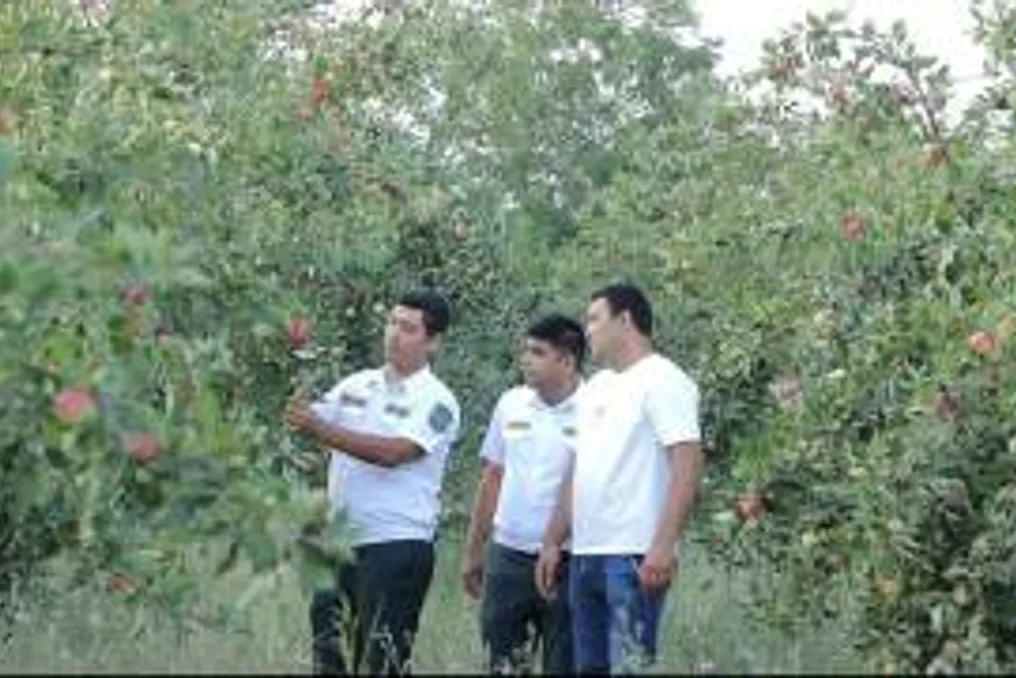
Currently, the Phytosanitary and Plant Protection Department of Tashkent city is conducting comprehensive monitoring and control measures in all 12 districts of the capital as part of the 'Dolzarb 30 Days' campaign. During these inspections, efforts are made to combat harmful organisms that pose a serious threat to fruit orchards, such as Eastern pear, as well as pests causing significant economic damage to crops, such as squash bugs, and other harmful organisms negatively affecting the growth of cultivated plants, including Zarpechak and Sudraluvchi kara.
Analysis Process and Interest Protection
Specialists collect plant samples suspected of containing harmful organisms and conduct express analyses in mobile laboratories. If pests are found in quarantined products, disinfection measures are organized according to established procedures. It should be noted that the 'Dolzarb 30 Days' campaign, conducted across the republic, will run from June 8 to July 8 of this year. These actions contribute to ensuring plant phytosanitary conditions, preserving yields, protecting the interests of farmers and landholders, and increasing the export potential of the country's agricultural products.