As the number of snake sightings across Egypt increases during the summer, more citizens are concerned about the reasons for these reptiles emerging from their burrows, their areas of distribution, and the actions that should be taken in case of a bite.
Reasons for Snake Activity
Maha Ghanem, a professor and head of the Department of Forensic Medicine and Clinical Toxicology at Alexandria University, revealed the scientific aspects behind the increased activity of snakes and described crucial first aid measures that can save a victim's life.
She emphasized that the appearance of snakes in several Egyptian governorates during the summer is not new. These reptiles have long inhabited various agricultural and desert areas, including Beheira, Siwa, and Sharkia, and their activity is increasing amid rising temperatures and changing climatic conditions.
Factors Affecting the Population
Ghanem noted that rising temperatures are one factor contributing to snake activity, but it is not the only reason. She added that floods and soil erosion in some areas may force snakes to leave their shelters. The presence of snake eggs in certain areas indicates that their existence is natural and not a recent phenomenon.
Furthermore, the increase in rodent populations, especially rats, during the summer prompts snakes to leave their burrows in search of food. The expansion of urban development into agricultural and desert lands has reduced natural habitats for snakes, increasing the likelihood of contact with humans.
First Aid for Bites
The expert strongly recommended that anyone bitten by a snake must immediately seek help at the nearest specialized poison control center or hospital equipped with antivenom.
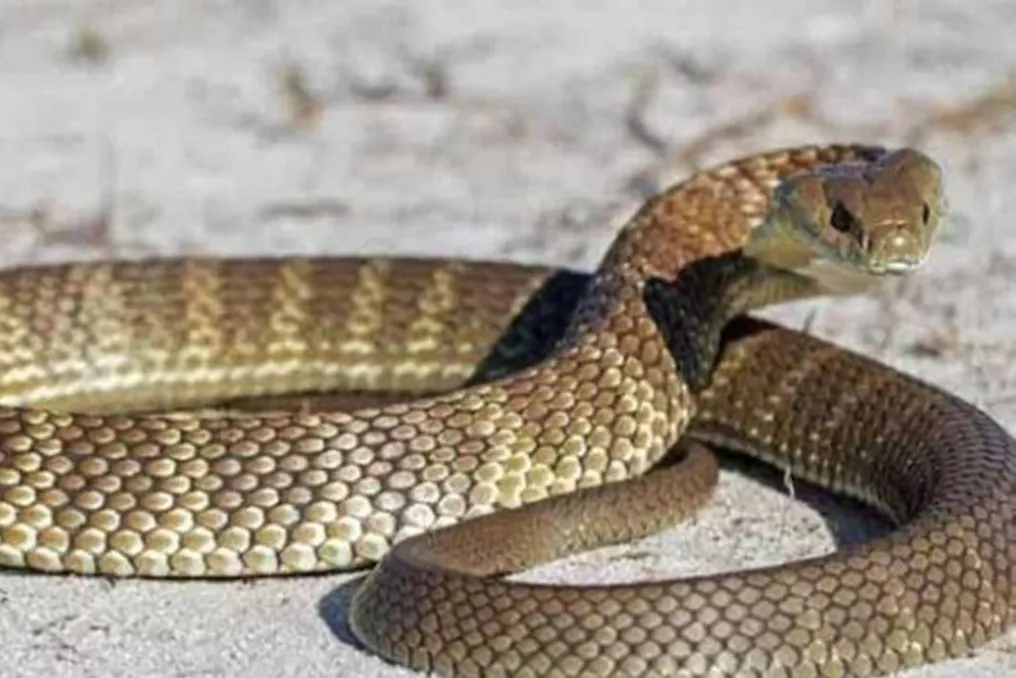
Ghanem specified that poison control centers exist in all universities, and antivenom is also available in several Ministry of Health hospitals. She explained that venomous snakes in Egypt are divided into types with different effects. Cobra venom affects the nervous system, causing gradual muscle paralysis, while other species, such as the saw-scaled viper, provoke blood clotting disorders and bleeding, which is dangerous without timely treatment.
Ghanem warned against several erroneous practices when dealing with bites, such as tightly bandaging the affected limb, cutting the bite site, or attempting to suck out the venom, as this can lead to serious complications and offers no medical benefit.
Proper first aid includes washing the bite site, minimizing the victim's movement, and then transporting them to a medical facility as quickly as possible to receive antivenom and necessary medical care. Ghanem added that even if some snakebites are non-venomous, it is impossible for the victim or bystanders to distinguish a venomous bite from a non-venomous one. Therefore, all bites should be treated as an emergency medical situation until doctors prove otherwise.
She particularly stressed that prompt arrival at the hospital is the most critical factor in saving the victim's life. Treatment delay can lead to the spread of venom throughout the body, causing gradual paralysis that begins with vision and speech impairment and then spreads to respiratory muscles, or cause nose and mouth bleeding, depending on the snake type.