Health officials in the United States have determined that shredded iceberg lettuce sold at Taco Bell restaurants is the origin of an outbreak of cyclosporiasis, a parasitic condition characterized by severe, explosive diarrhea.
Health officials in the United States have determined that shredded iceberg lettuce sold at Taco Bell restaurants is the origin of an outbreak of cyclosporiasis, a parasitic condition characterized by severe, explosive diarrhea.
Since early May, over 1,600 confirmed cases of cyclosporiasis have been recorded across the nation, resulting in hospitalizations for 94 individuals. Although no fatalities have been reported, the Centers for Disease Control and Prevention (CDC) cautions that the true number of infections is likely significantly higher due to numerous undiagnosed cases.
On Friday, the CDC named Taco Bell as the source and revealed that a tracing investigation connected the tainted produce to a specific supplier located in central Mexico. Authorities issued a warning advising residents not to consume shredded iceberg lettuce from Taco Bell locations in Indiana, Kentucky, Michigan, Ohio, and West Virginia.
The implicated supplier, Taylor Farms de Mexico, has voluntarily withdrawn all iceberg lettuce from the US market. Investigations are ongoing to ascertain if the contaminated product was supplied to any other restaurants or retail outlets.
Cyclosporiasis is caused by the microscopic parasite Cyclospora cayetanensis. This ailment typically manifests as sudden, watery diarrhea, accompanied by symptoms such as bloating, flatulence, abdominal cramping, nausea, and vomiting. Some affected individuals may also experience fever and fatigue, while others show no signs of illness.
According to the CDC, infection usually occurs through the ingestion of food or water contaminated with fecal matter, with symptoms generally appearing about a week post-exposure. While antibiotics can treat the illness, it is often missed by standard lab tests, complicating diagnosis. If left untreated, the infection can persist for over a month, with recurrent episodes of diarrhea being its most defining trait.
The parasite is naturally found in tropical and subtropical regions. Currently, there is no evidence suggesting that the disease can spread from person to person. Previous instances of cyclosporiasis outbreaks in the US have been linked to imports from Mexico, including cilantro, raspberries, sweet peas, lettuce, and basil.
The thymus, an essential gland of the immune system, undergoes a process of atrophy throughout life, and scientists believe that the ability to regenerate it may offer significant benefits for human health.
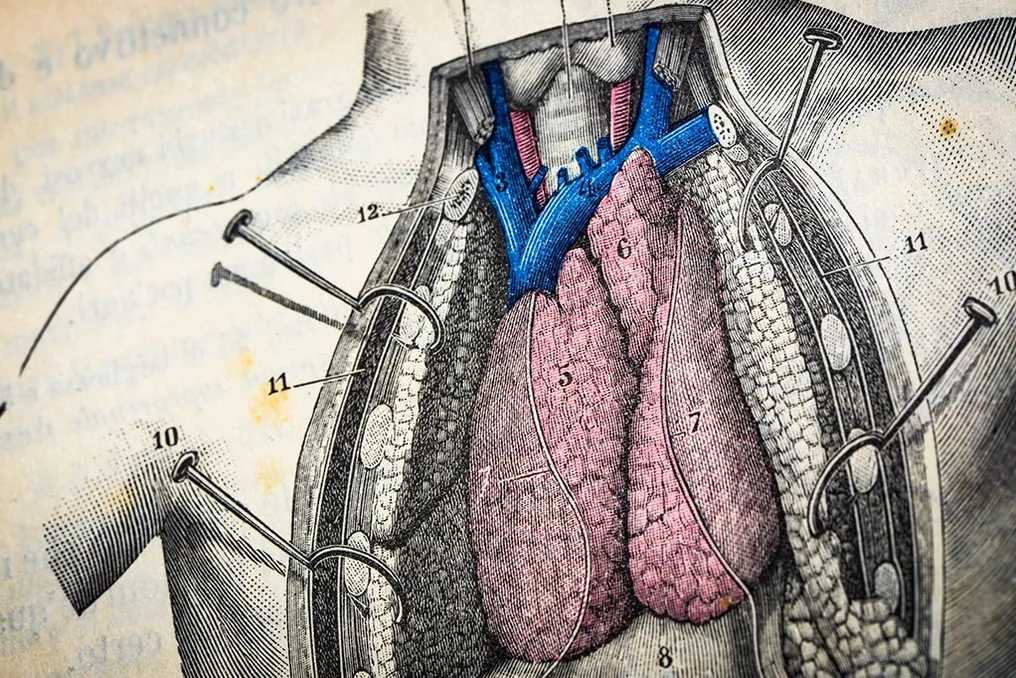
Located in the chest, behind the sternum and in front of the heart, the thymus was considered by the ancient Greeks to be the seat of the soul. Although modern science took centuries to understand its utility, its role is being reevaluated. Currently, it is known that it is a vital gland for immunity, but it has the characteristic of shrinking and, after a certain age, practically disappearing.
Recent studies indicate that the condition of this organ can serve as an indicator of a person's general state of health. For this reason, the thymus has become the focus of new investigations and pharmaceutical projects that seek, through the restoration of this transient structure, the key to a longer and healthier life.
There were two major conceptual shifts before the thymus received scientific attention. Before the 1960s, the belief prevailed that the organ was merely vestigial and without function. This view was supported by the fact that, in adult animals with surgical removal of the thymus, the immune response seemed to remain satisfactory, without major complications.
This perspective changed in the early 1960s when the Franco-Australian immunologist Jacques Miller analyzed the impact of thymectomy not only in adults but also in newborn mice. Initially healthy, these pups began to lose weight and die a few weeks after weaning. Miller discovered that the surgically treated animals became extremely vulnerable to infections and had few lymphocytes, cells crucial for bodily defense.
With this, he concluded that the thymus was involved in the development of immune system cells during childhood. Later, at the end of the same decade, Miller proved that the thymus was responsible for producing T cells (from thymus), vital components both for fighting infections and for attacking cancerous cells.
It was logical to assume that the body would stop producing new T cells in adulthood, given the natural decline of the thymus. However, after human puberty, much of the thymic tissue transforms into inactive fat and fibrous tissue, leading to a drop in T cell production: at age 40, capacity drops to one quarter; at age 65, it produces only 10% of the original level.
A second significant change occurred in 2023 when researchers reported that individuals who had their thymus removed in adulthood showed three times the risk of mortality and double the probability of developing cancer five years after the surgery.
In 2026, two studies published jointly in the journal Nature detailed the damage further. Analyzing over 31,000 people, a team demonstrated that smaller thymuses were correlated with a higher risk of death, lung cancer, and cardiovascular problems. In another study, it was observed that oncology patients with reduced thymuses reacted worse to immunotherapy, resulting in higher post-treatment mortality.
Although the findings only point to correlations and do not determine whether thymus atrophy is the direct cause of these deteriorations, they have driven the interest of many researchers. The hypothesis that the thymus is a general marker of health suggests that its regeneration would bring vast benefits. Many companies are investing in treatments to rejuvenate the thymus.
In the United States, the biopharmaceutical company Intervene Immune is developing clinical trials under the leadership of cryobiologist Gregory Fahy, who injected growth hormones into himself in 1996 to try to regenerate his own thymus. In these controlled trials, growth hormones and other compounds are administered four times a week while researchers monitor chemical aging markers in chromosomes. These tests showed promising results, with participants reverting, on average, two and a half years in these markers.
According to Nature, investments in this area amount to tens of millions. Last October, the biotechnology company Zag Bio contributed 80 million dollars, and in January, the Swiss company TECregen invested another 12.4 million. Funds and pharmaceutical companies are also showing interest in new treatments.
Currently, methods for thymus regeneration are limited, expensive, or excessively complex. Androgen deprivation therapy, used in prostate cancer treatment, and caloric restriction are examples of approaches that manage to increase T cell production.
There are other obstacles: growth hormone therapies can carry high risks of cancer and blood sugar spikes. Furthermore, many compounds are injected directly into the vein, which represents an additional inconvenience. It is also difficult to create a treatment that affects only the thymus, given that this organ is not composed of a specific protein.
Even with the possibility of safe regeneration, studies have not yet defined the exact impact of increased T cell production on health. Microbiologist Ann Griffith, from the University of Texas, commented to Nature: 'It is easy to notice that the size has been restored, but it is less evident if all functionality has also been recovered.' She added: 'We still do not fully understand how these interventions actually regenerate the tissue, and we are just beginning to explore this process. We are very much at the beginning of this journey.'
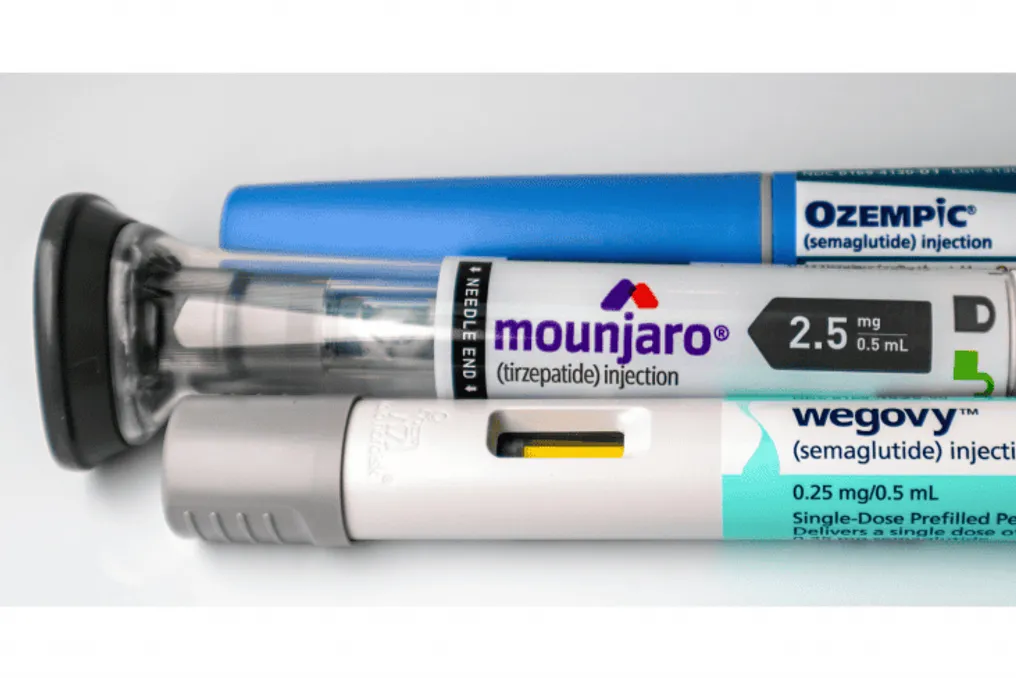
The use of medications such as Ozempic, Wegovy, and Mounjaro requires a differentiated monitoring approach, as proposed by a new international consensus. This document establishes that treatment success must be evaluated by criteria that go beyond merely the number registered on the scale.
Published in the journal The Lancet Diabetes & Endocrinology, the material gathers comprehensive guidelines covering aspects such as appropriate dosages, dietary habits, physical exercise, and mental health monitoring. Furthermore, it specifies the appropriate times to reduce or discontinue the use of these medications.
This consensus, developed by three European entities, does not change the original indications for the drugs but emphasizes the need to analyze each patient individually. Decisions must be guided by the individual response to the treatment, the presence of associated medical conditions, and tolerance to side effects.
Fernando Valente, who coordinates the Department of Diabetes Education at the Brazilian Society of Diabetes (SBD) and directs the Department of Diabetes at the Brazilian Society of Endocrinology and Metabolism (SBEM), highlighted this shift in focus. He told G1 that the primary relevance of this first consensus lies in demonstrating that the treatment is not limited only to administering the injection and reducing weight.
Although higher doses remain necessary in certain cases, especially for individuals with significant weight gain, satisfactory results can be achieved with lower doses. This is particularly true when the main objective is managing metabolic diseases, such as diabetes, hypertension, fatty liver, or sleep apnea.
The consensus clarifies that under certain conditions, reducing the dose, taking a break, or stopping the medication may constitute the best strategy. This choice must always be made in collaboration between the healthcare professional and the patient themselves.
Experts warn about specific signs that require attention, including nausea and persistent vomiting episodes, difficulty maintaining adequate hydration, excessively rapid weight loss, poor nutrient absorption, and any indicators of malnutrition.
Rodrigo Lamounier, director of the Brazilian Association for the Study of Obesity and Metabolic Syndrome (Abeso) and a member of SBEM, stresses that stopping medication does not necessarily imply therapeutic failure. He explained to G1 that although they are crucial medications, they require caution and personalization according to the evolution and clinical context of each individual.
The document also underlines that accelerated weight loss can lead to an undesirable decrease in muscle mass. To mitigate this risk, the recommendation is to integrate a diet rich in protein with resistance exercises, such as weight training.
Nutritional guidance suggests daily intake of approximately 1 to 1.5 grams of protein per adjusted kilogram of weight, maintaining a minimum of 60 grams distributed throughout meals. If this dietary goal is not met, supplements may be considered after an individualized evaluation.
An additional highlight is the concept of 'food noise,' defined as continuous thoughts about food. These thoughts tend to decrease with the action of the medications in the brain's reward regions.
Fernando Valente reiterated to G1 that the consensus also points to the need to monitor any emotional changes during the treatment process. The final proposal emphasizes that preserving muscle mass, quality of life, and well-being should be as important as weight loss, confirming that obesity management transcends simple measurement on the scale.
According to the latest report from the executive branch, based on data collected as of July 17, the number of confirmed cases has reached 2267, and the current mortality rate is 39.4%.
Additionally, 722 patients are in isolation or hospitalization, and 444 people have recovered. The contact tracing percentage has reached 83.6%.
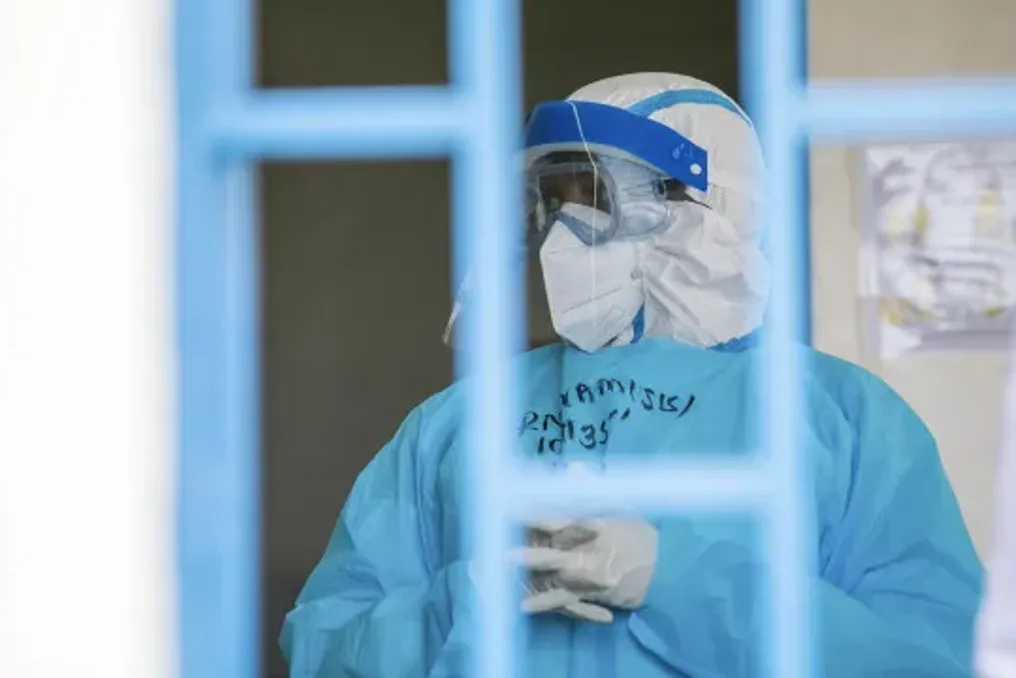
The Ebola epidemic has also spread to neighboring Uganda, but it has been brought under control there. This outbreak is the third deadliest Ebola epidemic ever recorded and the seventeenth to affect the Democratic Republic of Congo.
The current outbreak is smaller in scale than the one that occurred in West Africa between 2014 and 2016, which resulted in approximately 11,000 deaths and 28,000 infections. It is also smaller compared to the outbreak that affected eastern Congo between 2018 and 2020, where 2,299 deaths and 3,481 cases were recorded.