As part of the 'Day in the Museum' program, the 1860 Heritage Centre in Durban organized an enriching educational experience for participants aged eight to sixteen, introducing young visitors to the general history of South Africa.
Program and Exhibits
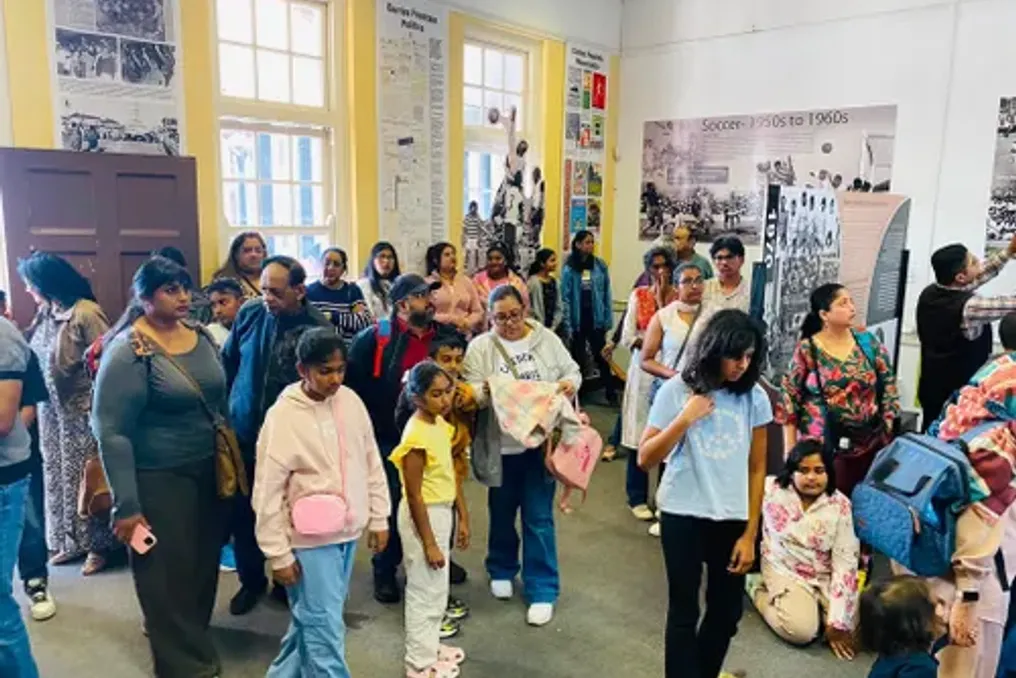
Visitors, including accompanying adults, explored the exhibits at the 1860 Heritage Centre, which is a museum agency of the KwaZulu-Natal Department of Sport, Arts and Culture. The program combined learning, culture, and practical experience, taking history beyond textbooks.
During the tour, students studied exhibits dedicated to the Indian contract, the historical role of the Curry Fountain, and the significant contribution of women to the struggle for liberation. Special galleries commemorating Nelson Mandela, Mahatma Gandhi, and Chief Albert Luthuli were also visited. Through original artifacts, photographs, and historical displays, the youth deepened their understanding of figures who influenced modern South Africa.
Cultural and Culinary Events
The cultural aspect of the day was enhanced by a performance by Professor Suri Govender, who demonstrated the Asimbonanga dance. She conducted a workshop based on the expressive movements of this iconic performance, which she previously presented at Nelson Mandela's inauguration ceremony in 1994. This allowed the young guests to see how music and dance can preserve history.
The day concluded with a traditional cooking masterclass, where children learned to prepare roti and bhaji—simple dishes that formed an important part of the diet of indentured Indian workers. Selvan Naidu, Director of the 1860 Heritage Centre, noted that these traditional foods carry deep memories passed down through generations.
Naidu emphasized: 'Bhaji and roti were part of the staple diet of Indian indentured workers, a simple yet nutritious dish that sustained our people for generations.' He added that the goal is for the youth to remember the love with which these traditional dishes were prepared during the hardships of the contract era and to understand why they remain popular today.
Through the combination of historical exhibitions, cultural performances, and traditional cooking, the museum created an engaging educational process that encourages young people to find meaningful connections with their heritage.