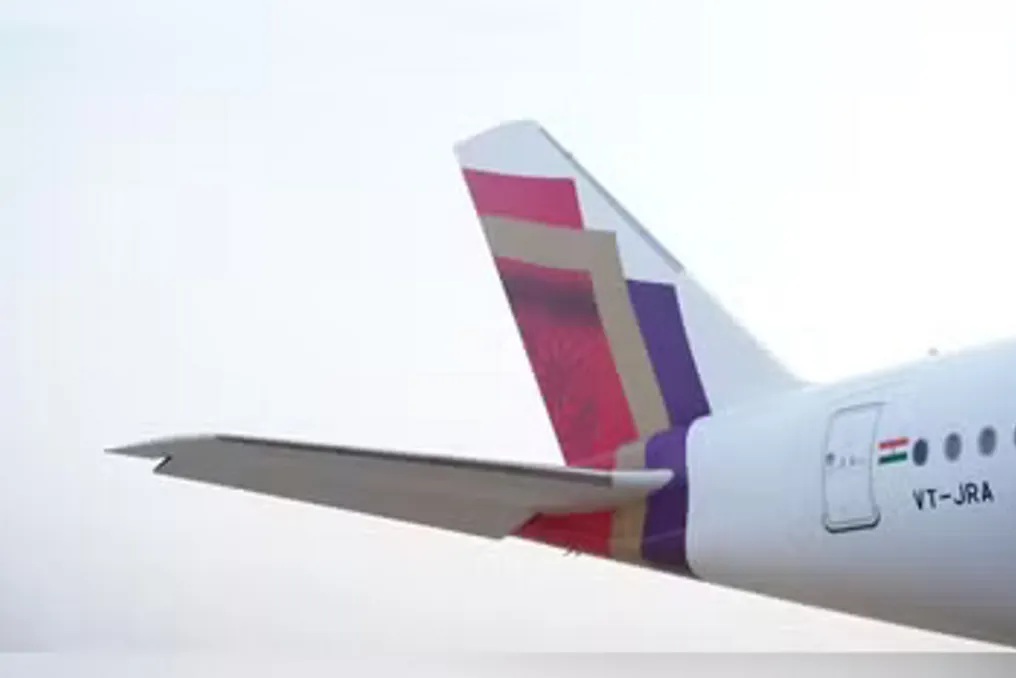
According to a senior executive, the Air India group plans to receive between 50 and 60 new aircraft over the next eighteen months, continuing its transformation program despite challenges related to supply chains and the geopolitical situation.
Transformation Program and Challenges
Following the acquisition of the loss-making Air India by the Tata group in January 2022, the airline is implementing an ambitious transformation plan. Nipun Aggarwal, Commercial Director of Air India and Chairman of Air India Express, noted that 'tons of lessons' have been learned over the past years, and that the project is complex and not easy.
He emphasized that the industry has faced a number of difficulties, including multiple 'black swan' events that could not have been foreseen at the beginning of the transformation journey. These problems include issues with supply chains, airspace, oil price volatility, and geopolitical factors.
Fleet Status and Modernization
Air India has encountered various obstacles, including the fatal crash of its Dreamliner last June, which resulted in 260 fatalities. The airline has embarked on a five-year large-scale transformation plan, and Aggarwal reported that most of the planned activities, including fleet renewal and investments in MRO (Maintenance, Repair, and Overhaul), are being implemented.
Nevertheless, there are delays in aircraft deliveries and retrofitting. Despite external circumstances that have significantly impacted the company, Aggarwal expressed optimism, stating that they remain on track to achieve their goals.
Supply and Renewal Prospects
The Air India group has an order for nearly 600 aircraft, and less than ten percent of them have been delivered so far. This order will be valid until the middle of the next decade. Aggarwal forecasts that between 50 and 60 aircraft will be added annually over the next seven to eight years. He specified that deliveries will begin to accelerate at the end of the current year, and then in the following year, ensuring a steady flow of both wide-body and narrow-body models—approximately 10-15 wide-body and 45-50 narrow-body per year.
Approximately 50-60 aircraft are expected to be received in the next 18 months. Regarding modernization, Air India Express plans to complete the retrofitting of its entire fleet into a single harmonized fleet by March of next year, while Air India's wide-body aircraft will be modernized over two to three years. Retrofitting the Dreamliner or Boeing 787 is expected by mid-next year, whereas the Boeing 777 will require more time.
Technology and Network Recovery
Aggarwal also mentioned that deliveries of Boeing MAX 8 are already arriving, and the company will be one of the first customers to receive the MAX 10 after certification, which is expected to begin early next year. Previously, Air India faced operational issues with older wide-body aircraft, but this period, according to the Commercial Director, is behind them, and modernization is gaining momentum.
Due to high oil prices and the Middle East conflict, Air India has reduced some services. However, Aggarwal reported that network recovery is underway since the second half of this year. In the Middle East region, a 90 percent level has already been reached, and most reductions in Europe and the US, made in August-September, have already resumed. He predicts that within a couple of months, the airline will return to the level it was before the war began.
Furthermore, Air India is investing in improving the customer experience at all touchpoints, focusing on new standards for crew and airport staff service, as he believes that hardware will not bring significant benefit without good software for equipment operation.