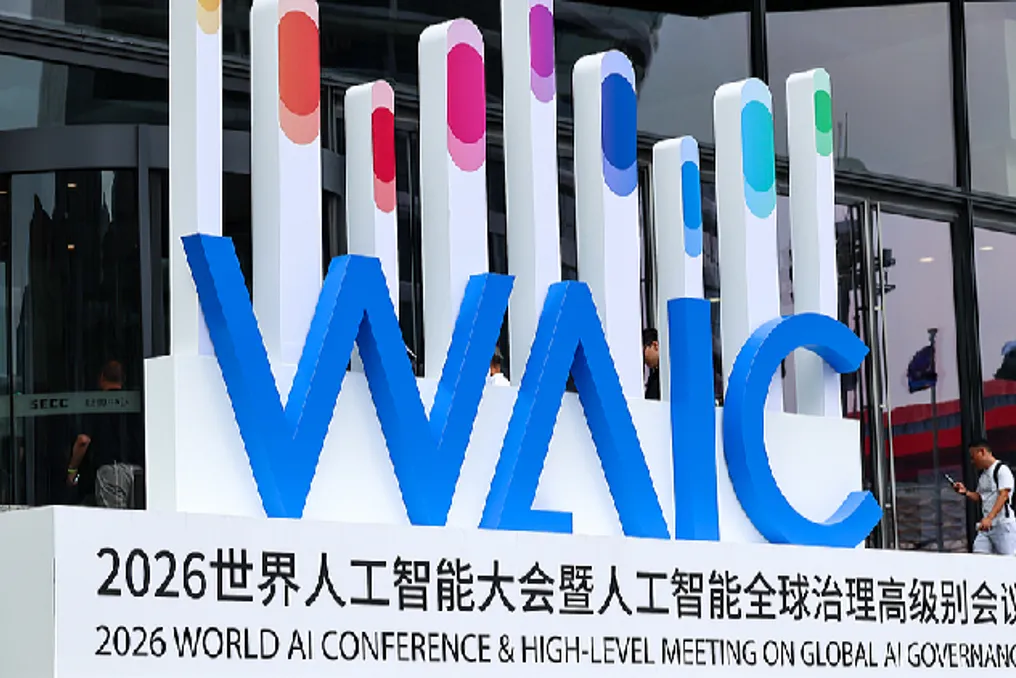
As artificial intelligence (AI) rapidly transforms societies and economies, governments worldwide face a common challenge: how to harness the immense potential of this technology while managing growing risks. During the opening of the 2026 World AI Conference (WAIC) and the High-Level Meeting on Global AI Governance in Shanghai, Chinese President Xi Jinping presented a comprehensive set of proposals aimed at advancing a more inclusive and coordinated structure for global AI governance.
Key Directions of China's Initiatives
Xi Jinping outlined ways to strengthen AI capabilities in developing countries and initiated the creation of a World Organization for AI Cooperation. Many international observers view this as a highly practical approach to ensuring that the benefits of AI are accessible to all of humanity.
Bridging the Digital Divide
One of the central theses of Xi Jinping's speech was that the benefits of AI must be distributed among all nations, especially developing countries that risk falling behind in the new technological revolution. Sengdeun Sayasone, Deputy Chairman of the Laos-China Cooperation Committee, noted that Xi's remarks reflect China's deep strategic vision and responsibility as a major global power, emphasizing that China is consistently putting this vision into action.
John Tsingseki, Chairman of the Zambia Cybersecurity Initiative Fund, stated that Xi's address came at a crucial moment for the international community. He noted that the president's speech directly responds to calls for unified efforts so that AI can better serve humanity, promoting AI integration and exploring ways to use the technology to solve common global problems.
Institutionalizing Global Consensus
Experts pointed out that China's proposal to establish a World Organization for AI Cooperation is a decisive step toward forming a representative, consensus-based architecture for international governance. Andrei Dostal, a Member of the European Parliament, stressed that such a centralized international body is necessary to overcome the fragmented and disparate approaches to AI regulation currently existing.
Dostal insisted on the importance of this initiative, arguing that a single organization could foster broad international cooperation in developing universal standards. This would ensure the peaceful and productive application of AI, as well as provide a vital platform for interaction among leading experts in advanced technologies.
A Shared Future for AI Governance
International specialists also emphasized that Xi's speech highlighted the significance of international cooperation in addressing both the opportunities and risks associated with AI. Vince Henderson, Minister of Foreign Affairs of the Commonwealth of Dominica, noting China's sustained leadership in this area, stated that the global community urgently needs such guidelines, especially in managing the multifaceted risks related to AI adoption.
Henderson added that over the past three years, China has consistently advocated within the United Nations for a stronger and more effective system of international AI governance. He also mentioned that Beijing actively encourages governments to partner with the private sector to develop ethical norms, protect privacy, and ensure technological security for the benefit of all.
Vision for Scientific Progress
The international scientific and professional community shares this vision of shared scientific progress. Turing Award laureate Gill Brassard described Xi's speech as extremely inspiring, noting that it clearly defines an actionable direction for strengthening international cooperation. Brassard added that collaboration is vital not only in artificial intelligence but in all scientific fields.
Tatiana Shmolrack, Managing Director for Greater China at the British Standards Institution, reiterated that the key takeaway is the responsible assurance of human well-being through technological innovation. She stated that achieving this ultimate goal requires joint efforts and unhindered cooperation, with Global South countries participating in shaping global AI governance on equal footing with developed economies.
This view is shared by German scientist Max Müllerhauser from the Technical University of Darmstadt, who noted that Xi's vision perfectly aligns with the current reality of managing technological risks. Müllerhauser concluded that AI represents both the greatest opportunity for our era's development and a repository of enormous risks, making effective governance a necessary condition, and he hopes that more world leaders will embrace the same spirit of cooperation.